
Step by step guide to dusting window blinds

Introduction
Window blinds are essential elements of home decor that control light and privacy, but they act as significant collectors of dust, allergens, and airborne particles. In tropical or coastal environments, this buildup can happen rapidly due to humidity and wind-blown sediment. Neglecting these surfaces not only makes your home look untidy but can also negatively impact indoor air quality and respiratory health.
Regular dusting of window blinds is a fundamental part of a proactive home maintenance routine. By addressing this task consistently, you prevent dust from becoming embedded in the slats, which makes future cleaning much more difficult. A systematic approach ensures that you clean efficiently without spreading debris onto your floors or furniture, keeping your living spaces fresh and well-maintained.
Essential tools for efficient cleaning
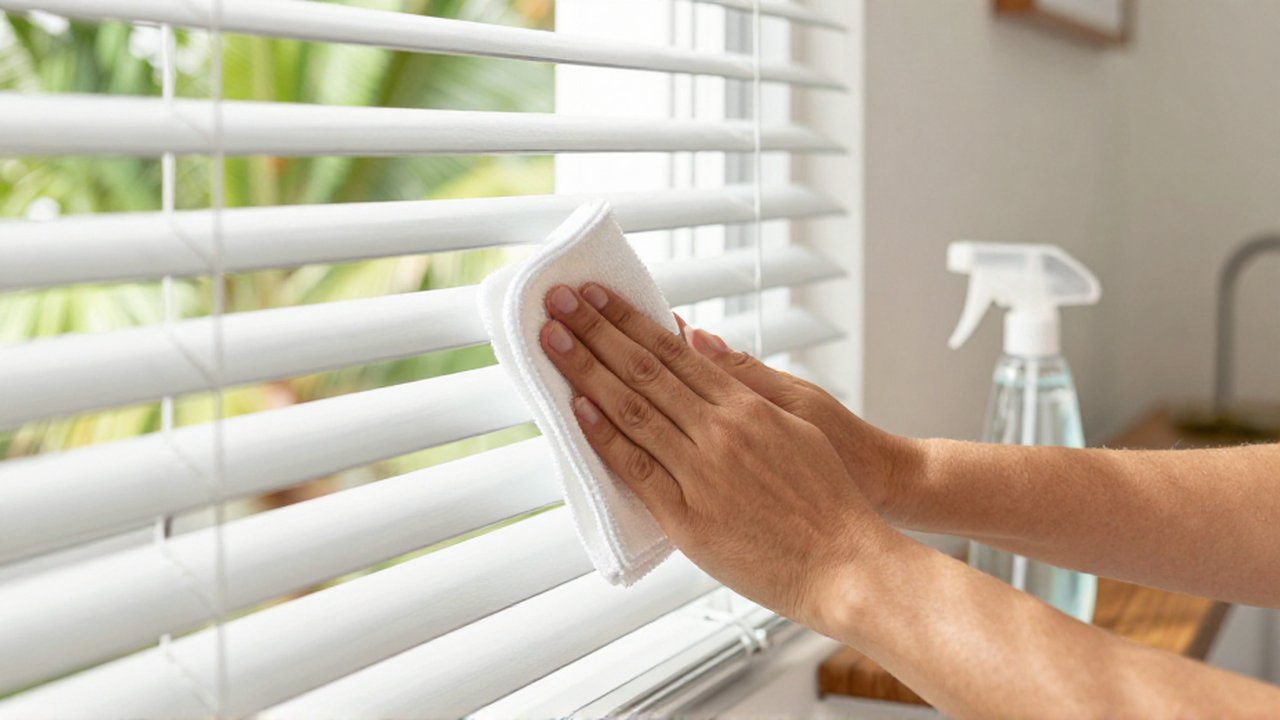
Before you begin, it is vital to gather the correct supplies to avoid damaging the material of your blinds. Using the wrong tool can scratch delicate surfaces or cause permanent staining. Depending on the type of blinds you own—whether they are wood, faux wood, metal, or fabric—your kit may vary slightly.
A standard cleaning kit should include a microfiber cloth, which is excellent for trapping dust rather than just moving it around. For hard slats, a duster with a flexible head or a soft-bristled brush is ideal. If you are dealing with heavy buildup, a small handheld vacuum with a brush attachment is highly effective. For more intensive cleaning, you may need a gentle solution of warm water and a drop of mild dish soap.
Step by step dusting process
To ensure a thorough clean, follow a logical sequence that moves from the top of the window downward. This prevent dust from falling onto areas you have already cleaned.
First, close the blinds completely. If they are horizontal slats, tilt them so they are facing downward. This position allows gravity to assist you as you work through the layers.
Second, perform a dry dust. Use a microfiber cloth or a soft duster to go through each slat one by one. For wooden or faux wood blinds, wipe along the length of the slat rather than across it to avoid pushing dust into the corners. If you are using a vacuum, use the soft brush attachment to gently lift loose particles from the edges and the mechanism.
Third, address the hardware and headrail. Once the slats are clear, use a small brush or a corner of your cloth to clean the top rail and the cords. Dust often settles in these mechanical areas, and keeping them clean ensures the blinds operate smoothly without sticking.
Cleaning techniques by blind material

Different materials require specific care to prevent damage. Using the same method for all blinds can lead to warping or surface degradation.
| Blind Material | Recommended Method | Avoid |
|---|---|---|
| Wood | Dry microfiber cloth or very slightly damp cloth. | Excessive water or harsh chemicals. |
| Faux Wood/PVC | Mild soap and water solution with a soft cloth. | Abrasive sponges or scouring pads. |
| Metal/Aluminum | Dry dusting or a damp cloth for stains. | Strong solvents that may strip coatings. |
| Fabric/Venetian | Vacuum with a soft brush attachment. | Wringing out water or heavy scrubbing. |
For fabric blinds, avoid getting them too wet, as moisture can lead to mold or mildew growth in humid climates. For wood, always ensure the cloth is barely damp, as moisture absorption can cause the material to swell or the finish to peel.
Common mistakes to avoid
One of the most frequent errors is attempting to clean blinds while they are in an open or tilted position. This usually results in dust falling onto the floor or the windowsill, requiring you to clean those areas all over again. Always work with the slats facing down.
Another mistake is using excessive force or abrasive tools. If you scrub too hard, especially on painted or delicate surfaces, you may scratch the finish or fray the fabric. Furthermore, never use cleaning sprays directly on the blinds. Instead, spray your cloth with the cleaning solution and then wipe the slats. This prevents liquid from dripping into the internal mechanism or soaking into the material.
Frequently asked questions
How often should I dust my window blinds? For most homes, a light dusting once every two weeks is sufficient to prevent heavy buildup. In areas with high dust or pollen levels, you may need to increase the frequency to once a week.
Can I use a vacuum on all types of blinds? A vacuum with a soft brush attachment is safe for most hard blinds (wood, metal, plastic) and fabric blinds. However, avoid using high-suction settings on delicate fabric or very light slats to prevent them from being pulled out of their tracks.
What is the best way to clean the cords? Use a dry microfiber cloth or a soft brush to wipe the cords. If they are particularly dirty, you can use a slightly damp cloth, but ensure they are completely dry before you use the blinds again to prevent sticking.
How do I remove stains from faux wood blinds? For minor stains on faux wood, a mixture of mild dish soap and warm water applied with a soft cloth is usually effective. Wipe the area, then immediately follow with a dry cloth to remove any residual moisture.
Leave a Reply