
Common mistakes when using generators during hurricane season
Introduction
Hurricane season in the Dominican Republic brings significant challenges to household stability, particularly regarding power reliability. Portable and standby generators are essential tools for maintaining light, refrigeration, and communication during prolonged outages. Knowing how to operate these machines correctly ensures that your family remains comfortable and, more importantly, safe during extreme weather events.
However, many homeowners make critical errors when deploying their backup power systems. These mistakes range from minor technical oversights that lead to equipment damage to life-threatening safety violations. Understanding these pitfalls before the storm hits is vital for maximizing the utility of your generator and protecting your home.
Proper generator management requires proactive planning, correct placement, and strict adherence to electrical safety protocols. By avoiding the most frequent mistakes, you can ensure a smoother recovery process and minimize the risks associated with emergency power usage.
Dangerous placement and carbon monoxide risks
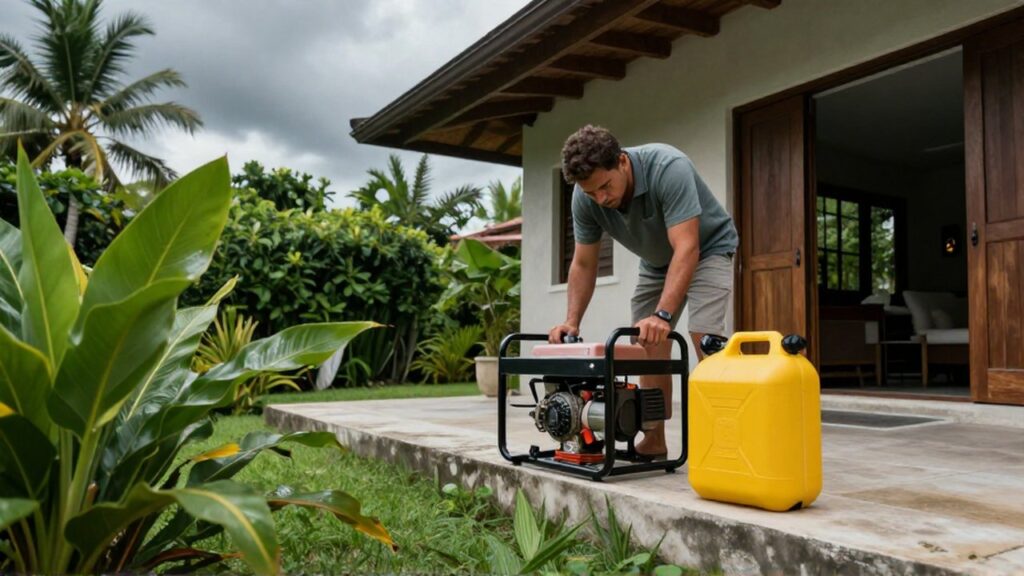
The most life-threatening mistake is running a generator indoors, including in garages, basements, or near open windows. Generators produce carbon monoxide (CO), an odorless, colorless, and tasteless gas that can be fatal in minutes. Even if a garage door is open, wind patterns can push toxic fumes back into the living areas of the house.
Always place the generator outdoors in a well-ventilated area, far from any windows, doors, or vents. A distance of at least 20 feet (6 meters) from the home is a standard safety recommendation to prevent gas buildup. Additionally, ensure the generator is placed on a stable, level surface to prevent tipping, and use a specialized cover or tarp to protect it from rain, provided the cover does not obstruct the exhaust or air intake.
Improper electrical connection methods
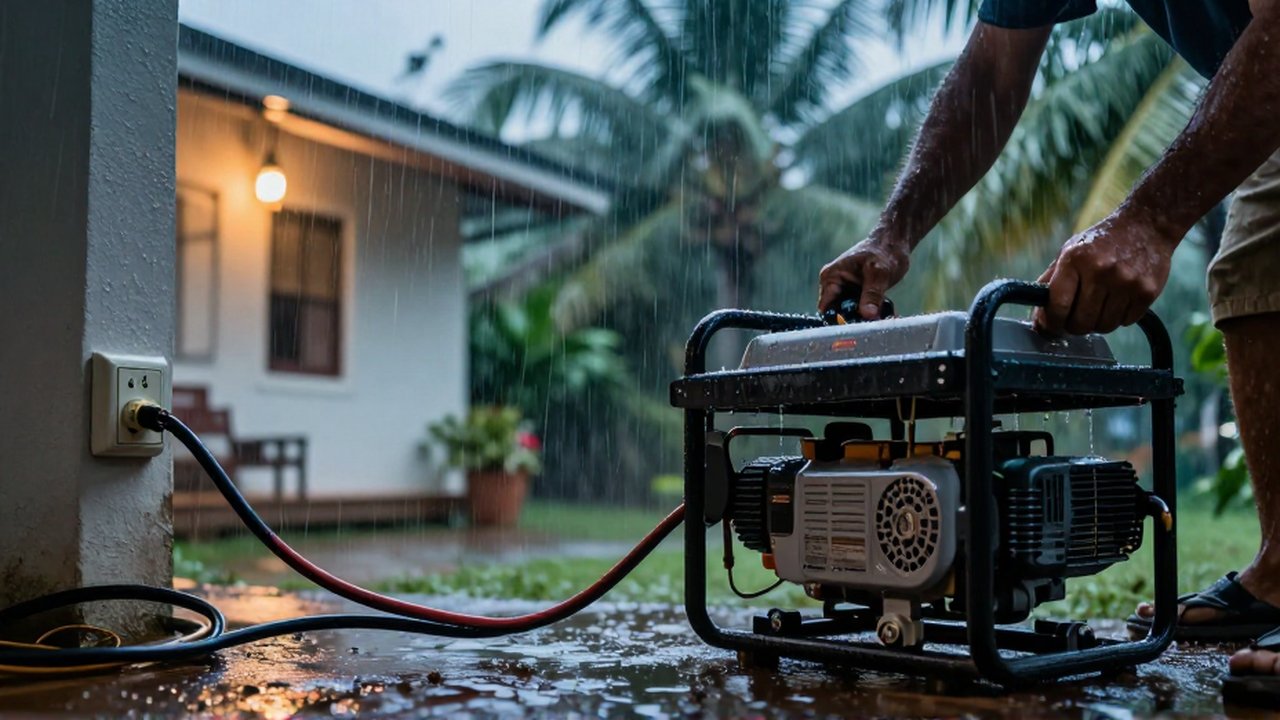
Another frequent error involves "backfeeding," which is the practice of plugging a generator into a standard wall outlet to power the house. This is extremely dangerous because it sends electricity back into the utility lines. Not only can this cause a fire or destroy your generator, but it also poses a lethal risk to utility workers attempting to repair the grid.
To safely power a home, you should use one of the following methods:
- Transfer Switch: A professional installation that allows you to safely switch the power source from the utility grid to the generator.
- Power Inlet Box: A dedicated external connection point that leads directly to a transfer switch inside the home.
- Direct Appliance Connection: Using heavy-duty, outdoor-rated extension cords to plug specific items (like a refrigerator) directly into the generator.
Neglecting fuel management and storage
Running out of fuel in the middle of a storm is a common frustration that can lead to food spoilage and darkness. Many people fail to calculate how many hours of run-time they actually have based on their specific electrical load. Furthermore, using old fuel is a recipe for mechanical failure.
Gasoline degrades over time, especially in the tropical heat. If fuel sits in a container for several months, it can develop a gummy residue that clogs the generator's carburetor. To avoid this, always use fresh fuel and consider adding a fuel stabilizer to your storage containers. Always keep a reserve of fuel, but store it in approved containers in a ventilated area away from the generator and the house.
Overloading the electrical load
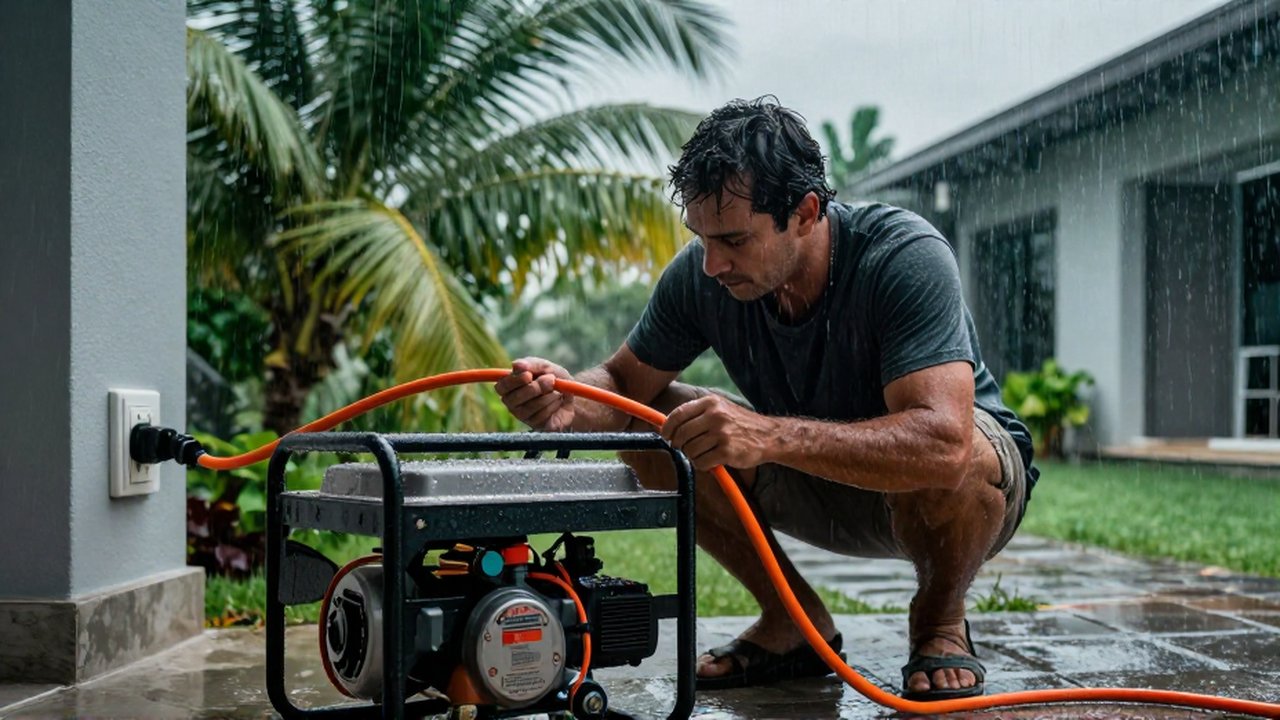
It is easy to underestimate the power requirements of modern household items. A common mistake is attempting to run too many high-wattage appliances simultaneously, such as an air conditioner, a microwave, and a coffee maker all at once. This can cause the generator to stall, trip a circuit breaker, or suffer permanent engine damage.
To prevent overloading, follow these steps:
- Calculate Wattage: Check the labels on your appliances to understand their power needs.
- Prioritize Essentials: Focus on critical items like refrigerators, lights, and communication devices.
- Stagger Starts: Turn appliances on one by one rather than all at once to avoid a massive initial surge of electricity.
Forgetting routine maintenance and testing
A generator that works perfectly in a hardware store test may fail when you need it most due to neglect. Waiting until the power goes out to start the machine is a major error. Batteries can die, oil can degrade, and mechanical parts can seize if the unit remains idle for months.
Implement a routine maintenance schedule that includes:
- Monthly Testing: Run the generator for at least 15 to 20 minutes once a month to ensure it starts and operates smoothly.
- Oil Checks: Regularly check the oil level and change it according to the manufacturer's instructions.
- Air Filter Inspection: Ensure the air filter is clean to allow the engine to breathe properly.
- Battery Maintenance: If your generator has an electric start, ensure the battery is charged and the terminals are free of corrosion.
Frequently asked questions
Can I use a generator to power my air conditioning unit? Only if your generator has a high enough "starting wattage" to handle the surge required by the compressor. Most small portable generators cannot power a central AC unit, but larger standby generators or specific window units may be manageable if calculated correctly.
Is it safe to use a generator in the rain? While many modern generators are designed to run in damp conditions, they should never be submerged or subjected to heavy, direct water flow in a way that enters the electrical components. Always use a specialized generator tent or ensure it is in a dry, ventilated outdoor area.
How often should I change the generator oil? This depends on the manufacturer's guidelines and the hours of use. However, for emergency preparedness, it is best to change the oil at least once a year or before the start of the hurricane season if the unit has been idle.
What should I do if my generator starts making unusual noises? Turn the generator off immediately and stop using it. Unusual noises can indicate mechanical issues, fuel problems, or overloading. Check the oil level and ensure no debris is blocking the intake, but if the noise persists, consult a professional technician.
Leave a Reply