
How to organize an emergency kit for your shelter

Introduction
Preparing for a storm or an unexpected natural disaster requires more than just securing your windows and doors; it requires logistical readiness. An emergency kit is a pre-assembled collection of essential items designed to sustain you and your family during a period of isolation or displacement. When local infrastructure fails or when you need to move to a designated shelter, having a portable, organized kit ensures that you do not waste precious time searching for necessities under stress.
In the Dominican Republic, where hurricane seasons can be unpredictable and intense, having a specialized kit is a critical component of home safety. This preparation is most appropriate during the early stages of the hurricane season or immediately after a weather warning is issued. By organizing these supplies in advance, you mitigate the risk of panic and ensure that your most basic physiological and safety needs are met when external resources are unavailable.
Essential supplies for survival
The foundation of any emergency kit is the provision of basic human needs: water, nutrition, and hygiene. When moving to a shelter, space is often limited, so items must be both functional and compact. You should prioritize non-perishable foods that do not require cooking, such as canned goods, energy bars, and dried fruits. If you include canned items, ensure you have a manual can opener included in the kit.
Water is the most critical element. You should plan to have at least one gallon of water per person per day for both drinking and basic sanitation. For a multi-day stay, a supply for at least three to seven days is recommended. Additionally, hygiene supplies are vital to prevent the spread of illness in crowded environments. Include hand sanitizer, wet wipes, soap, toothbrushes, toothpaste, and feminine hygiene products.
Documentation and financial preparedness
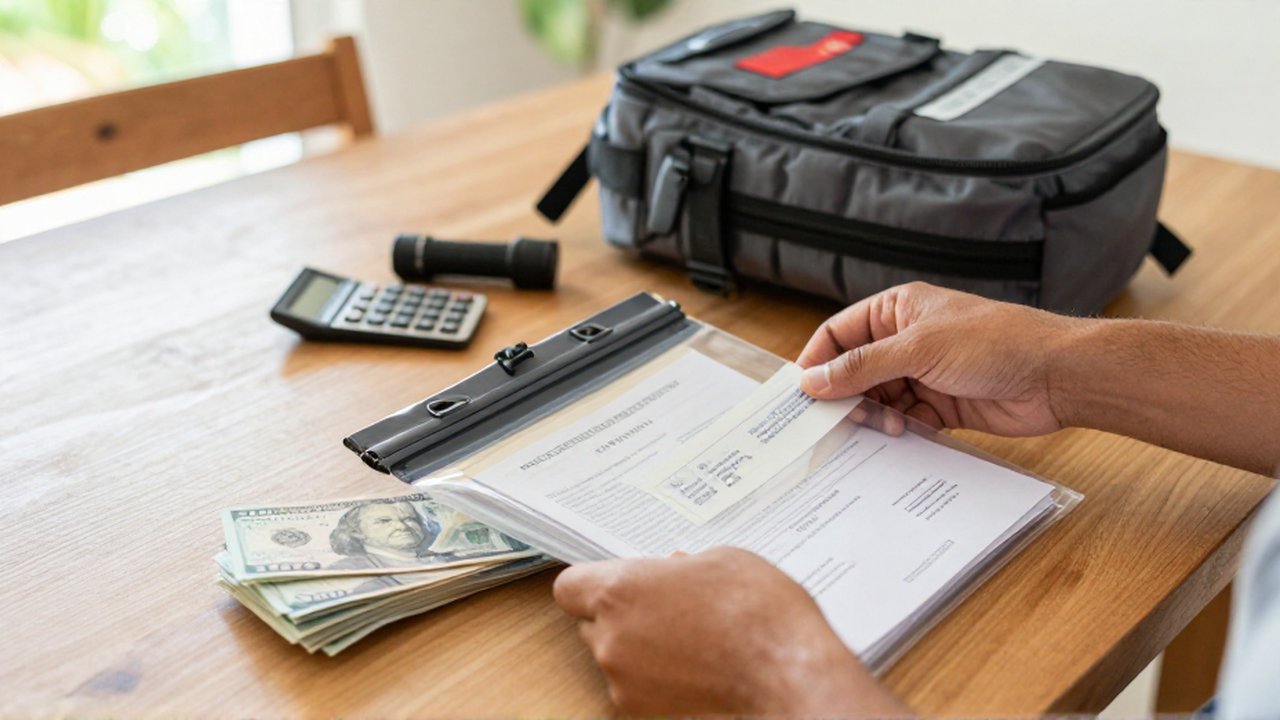
When a crisis occurs, access to information and identification can be the difference between receiving aid and being left behind. You should organize a waterproof folder containing copies of essential documents. This includes identification cards, birth certificates, property deeds, insurance policies, and medical records. Having these documents ready allows you to handle administrative tasks or insurance claims more effectively post-storm.
In addition to paperwork, carry a small amount of cash in small denominations. During power outages, electronic payment systems and ATMs often become inoperable. Having physical currency allows you to purchase emergency supplies or transportation if digital methods fail.
Medical and safety equipment
A well-stocked first aid kit is indispensable for managing minor injuries that may occur during a storm or while navigating a shelter. This kit should contain bandages of various sizes, antiseptic wipes, antibiotic ointment, adhesive tape, scissors, and tweezers. Beyond basic wound care, you must include a supply of any prescription medications that family members use regularly, along with a brief written summary of dosages and instructions.
Lighting and communication tools are also necessary for safety. A high-quality flashlight with extra batteries is more reliable than a mobile phone light, which can quickly drain your battery. Portable power banks for mobile devices are essential for staying informed through local news updates. Finally, consider including a battery-operated or hand-crank radio to receive emergency broadcasts if cellular networks go down.
Organizing and maintaining your kit
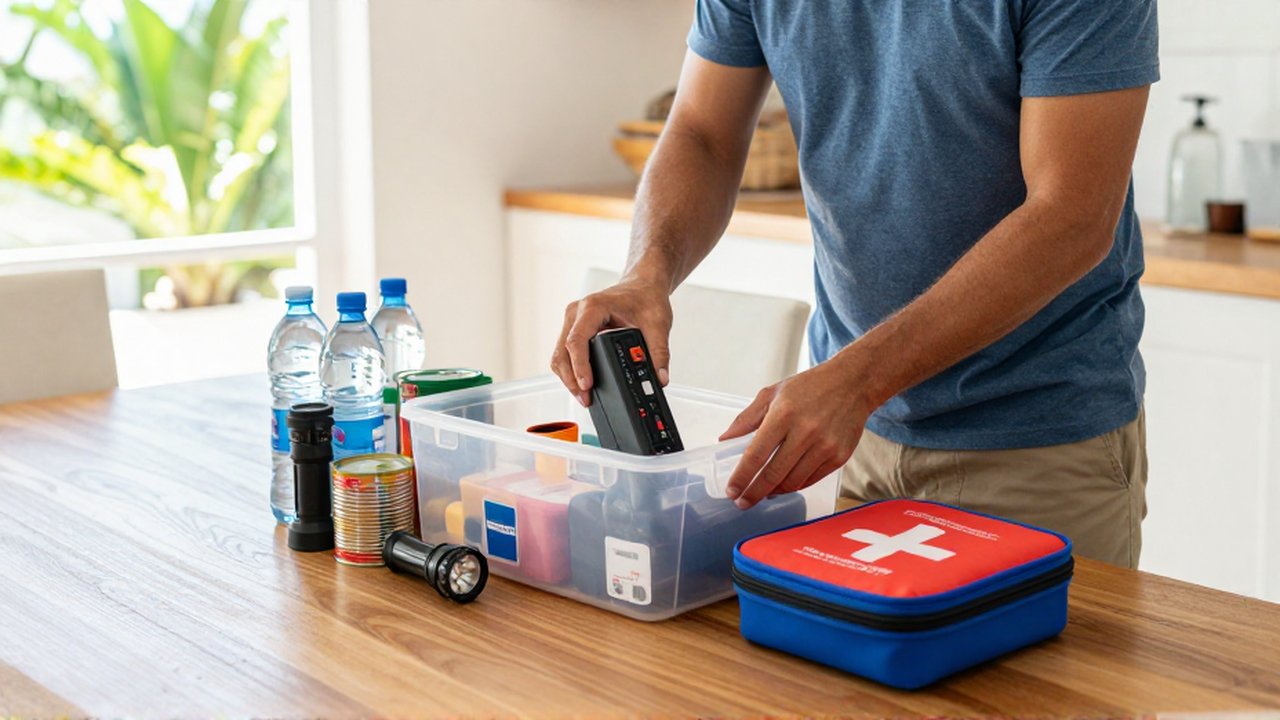
To ensure your kit is useful, it must be organized logically. Use durable, waterproof containers or backpacks that are easy to carry. Dividing items into smaller, clear pouches (e.g., a "medical pouch," a "food pouch," and a "document pouch") makes it significantly easier to find what you need in low-light conditions or crowded spaces.
Maintenance is a crucial step that many families overlook. Set a recurring date every six months to inspect your kit. During this process, check the expiration dates on food and water, replace batteries that may have leaked or lost charge, and ensure that clothing or blankets remains in good condition. This routine prevents the common mistake of reaching for a kit only to find that the supplies are no longer viable.
Emergency kit checklist overview
| Item Category | Specific Examples |
|---|---|
| Hydration & Nutrition | Bottled water, canned goods, energy bars, manual can opener |
| Health & Hygiene | First aid kit, prescription meds, hand sanitizer, wet wipes |
| Tools & Light | Flashlight, extra batteries, multi-tool, portable power bank |
| Documents & Cash | IDs, insurance papers, birth certificates, small bills |
| Personal Comfort | Lightweight blanket, extra clothing, whistle for signaling |
Frequently asked questions
How much water should I pack for a shelter stay? Aim for one gallon of water per person per day. This amount covers both drinking and very basic hygiene. For a three-day period, a single person should have at least three gallons.
Should I pack heavy canned goods? While canned goods are excellent for nutrition, they are heavy. If you are traveling to a shelter on foot, prioritize lightweight, high-calorie foods like protein bars or dried nuts to keep your kit portable.
How do I protect my important documents? The best method is to place copies of your documents in a waterproof, airtight plastic bag or a dedicated dry bag. This prevents damage from humidity or accidental water exposure during transit.
Can I use my smartphone as my primary emergency tool? A smartphone is useful for communication, but it should not be your only tool. Batteries drain quickly, and networks often fail during storms. Always supplement your phone with a battery-operated radio and a dedicated flashlight.
Leave a Reply