
How to prevent cockroach infestations in the kitchen

Introduction
A cockroach infestation in the kitchen is more than just a structural nuisance; it is a significant hygiene concern that can compromise the safety of your food and the overall cleanliness of your home. These resilient pests are attracted to moisture, warmth, and food scraps, making the kitchen the most common entry point and breeding ground in any household. Preventing an infestation requires a proactive approach centered on sanitation, structural maintenance, and strategic organization.
Understanding how to control these pests is essential for maintaining a healthy living environment. By implementing consistent cleaning routines and eliminating environmental triggers, you can create a space that is inhospitable to insects. This guide provides practical, long-term strategies to safeguard your kitchen, ensuring that your cooking and dining areas remain sanitary and pest-free.
Eliminate food sources and crumbs
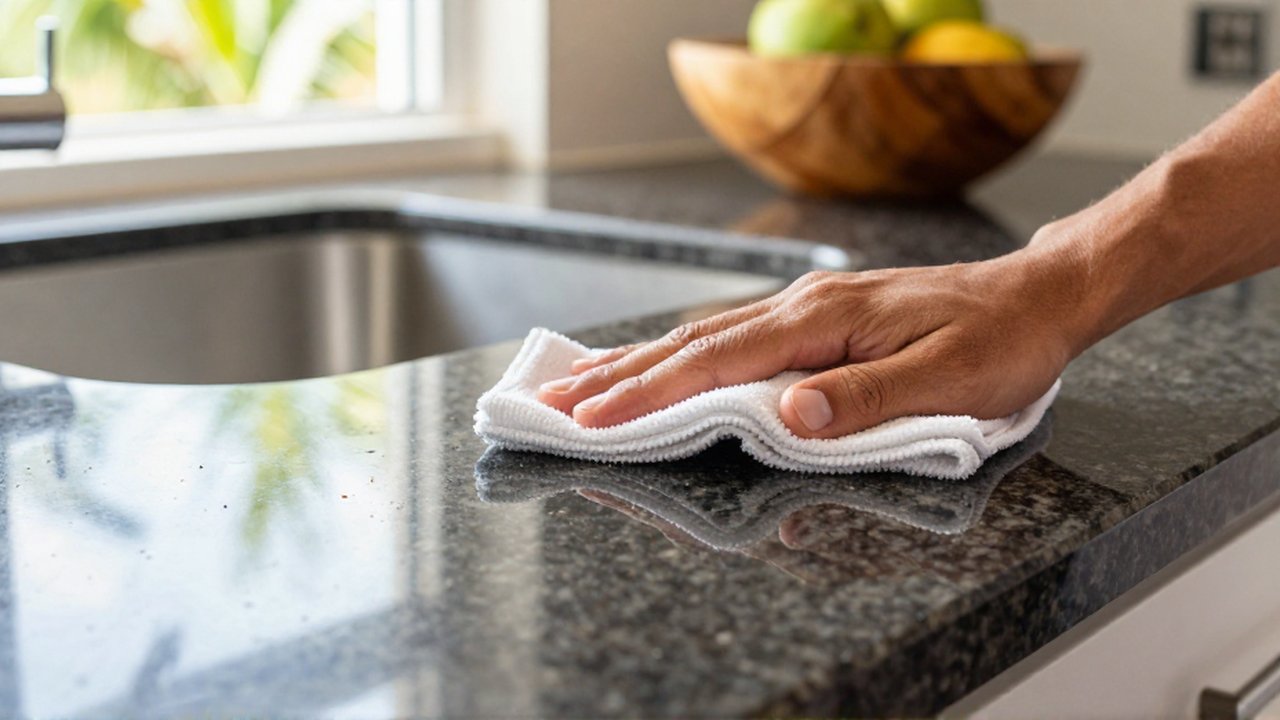
The most effective way to discourage cockroaches is to make sure they cannot find anything to eat. Even the smallest amount of organic matter can sustain a small population of pests. This means everything from spilled sugar to microscopic food particles trapped in appliance crevices must be addressed.
Regularly wipe down countertops, stovetops, and dining tables with a cleaning solution to ensure no residue is left behind. It is also vital to clean inside cabinets and drawers frequently, as crumbs often accumulate in the corners of shelves. If you store food in open containers, you are essentially inviting pests into your pantry. Always use airtight containers for dry goods like cereal, pasta, sugar, and flour.
Managing waste is equally important. Trash cans should have tight-fitting lids to prevent odors and food scraps from attracting insects. Always take the trash out nightly to prevent overnight scavenging. Additionally, avoid leaving dirty dishes in the sink overnight, as leftover sauces and food bits are primary targets for nocturnal pests.
Control moisture and humidity
Cockroaches have a biological need for water and can survive for long periods without food, but they cannot survive long without moisture. In tropical or humid climates, managing water levels in the kitchen is a critical component of pest prevention.
Check for leaks under the sink, around the faucet, and in the dishwasher. Even a slow, steady drip can create a damp environment that serves as a breeding site. Repairing plumbing issues immediately is one of the best defensive measures you can take. Similarly, ensure that the area around the refrigerator is dry and that the defrost tray is functioning correctly.
Wiping down sinks and drying them before going to bed is a simple yet effective habit. If your kitchen has high humidity, using an exhaust fan while cooking or running a small dehumidifier can help lower the ambient moisture levels that attract pests.
Seal entry points and gaps
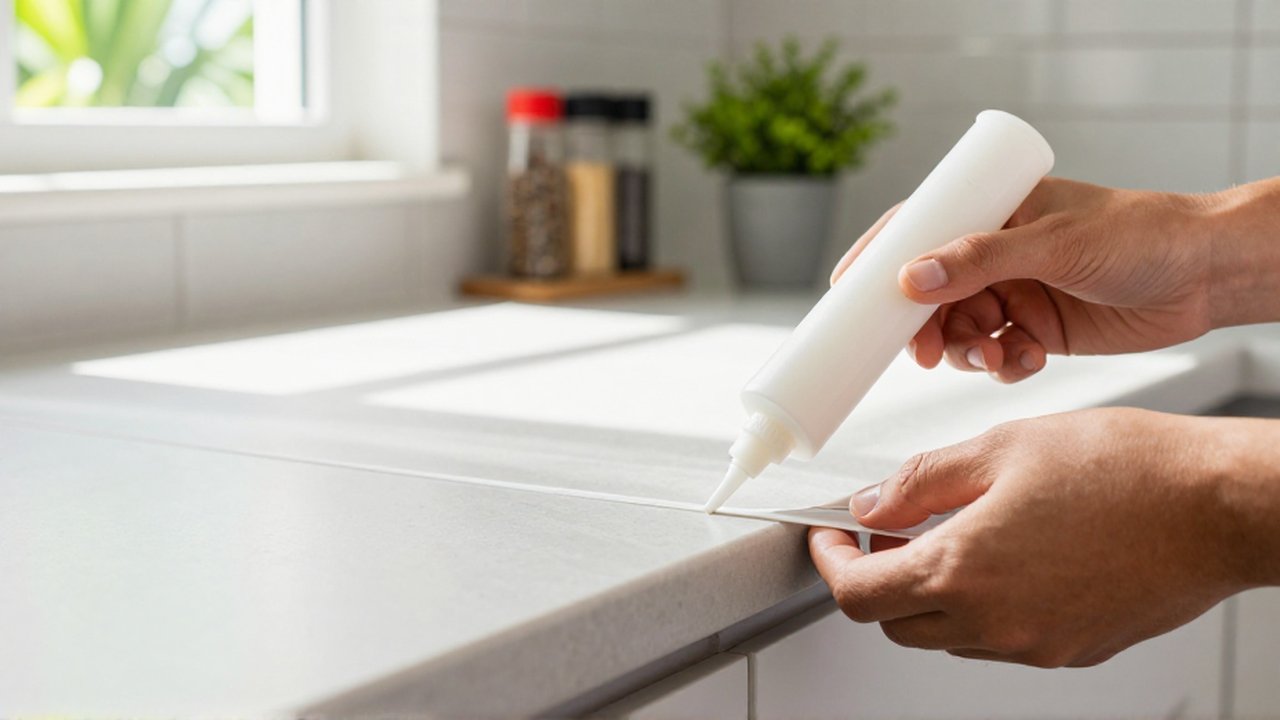
Pests often enter a kitchen through tiny cracks and crevices that are easy to overlook. Even if your kitchen is perfectly clean, an infestation can occur if there is a clear path from the exterior or from neighboring units into your living space.
Inspect the areas where pipes enter the walls, particularly under the sink, and use caulk to seal any gaps. Check the seals around windows and doors to ensure they are intact. If you have gaps in your baseboards or where the backsplash meets the countertop, sealing these areas will remove the hiding spots cockroaches rely on to feel safe.
It is also wise to keep clutter to a minimum. Cardboard boxes, stacks of newspapers, and unnecessary piles of kitchen gadgets provide excellent hiding spots for insects. By keeping surfaces clear and items organized, you reduce the available "real estate" for pests to occupy.
Maintain kitchen appliances and storage
Appliances are often the "hidden" parts of a kitchen that harbor pests. The warmth generated by motors, such as those in refrigerators, microwaves, and dishwashers, provides an ideal microclimate for cockroaches.
A deep clean of appliances should be part of your seasonal maintenance. Pull out the stove and refrigerator to clean the floor and walls behind them. Pay special attention to the crumb trays in toasters and the coils of appliances where dust and organic matter can collect.
| Action Item | Frequency | Benefit |
|---|---|---|
| Wipe counters and stovetops | Daily | Removes immediate food sources |
| Empty and clean trash | Daily | Eliminates scent trails and food waste |
| Inspect for leaks | Monthly | Prevents moisture buildup |
| Deep clean behind appliances | Quarterly | Removes hidden food and nesting sites |
Frequently Asked Questions
Can cleaning alone prevent an infestation? While cleaning is the most important step, it is rarely enough on its own if there are structural gaps or plumbing leaks. A comprehensive approach that combines sanitation with sealing entry points and controlling moisture is much more effective.
Why do I see cockroaches only at night? Cockroaches are nocturnal animals, meaning they are most active during the dark hours to avoid predators. Seeing them at night is typical behavior, but seeing them during the day can sometimes indicate a more significant population density.
Does using air fresheners help stop pests? No, air fresheners only mask odors. While they might hide the smell of food, they do not remove the actual food source or the moisture that attracts cockroaches. Focus on cleaning and sealing rather than scenting.
Should I use professional services if I see one cockroach? If you see a single cockroach and have maintained high hygiene standards, it may be a transient visitor. However, if you see multiple insects or see them during daylight hours, it is advisable to consult a professional to assess the extent of the situation.
Leave a Reply