
How to choose safe electrical appliances for local voltage
Introduction
When purchasing new electronics or household appliances, understanding the relationship between the device and your home's electrical infrastructure is critical for safety and longevity. In the Dominican Republic, the electrical standard operates at a specific voltage and frequency that may differ significantly from other regions, such as North America or Europe. Using an appliance that is not compatible with these local standards can lead to immediate damage, electrical fires, or even dangerous malfunctions.
Choosing the right equipment involves more than just checking if a plug fits into a wall socket. You must verify the electrical specifications printed on the device to ensure they align with the local grid. This process protects your financial investment by preventing premature hardware failure and ensures the stability of your home's electrical system.
Understanding local voltage and frequency standards
Before shopping, you must know the two fundamental metrics of electricity: voltage and frequency. In the Dominican Republic, the standard voltage is typically 110V to 120V, and the standard frequency is 60Hz. Voltage is the electrical "pressure" that pushes current through a circuit, while frequency refers to how many times the current changes direction per second.
If you purchase an appliance designed for a 220V system (common in Europe and parts of South America) and plug it into a 110V outlet, the device will likely receive insufficient power. This often results in motors failing to start, heating elements not getting hot enough, or digital displays behaving erratically. Conversely, plugging a 110V device into a 220V outlet is extremely dangerous; the excess pressure will almost certainly burn out the internal components instantly and poses a significant fire risk.
Identifying technical specifications on appliances
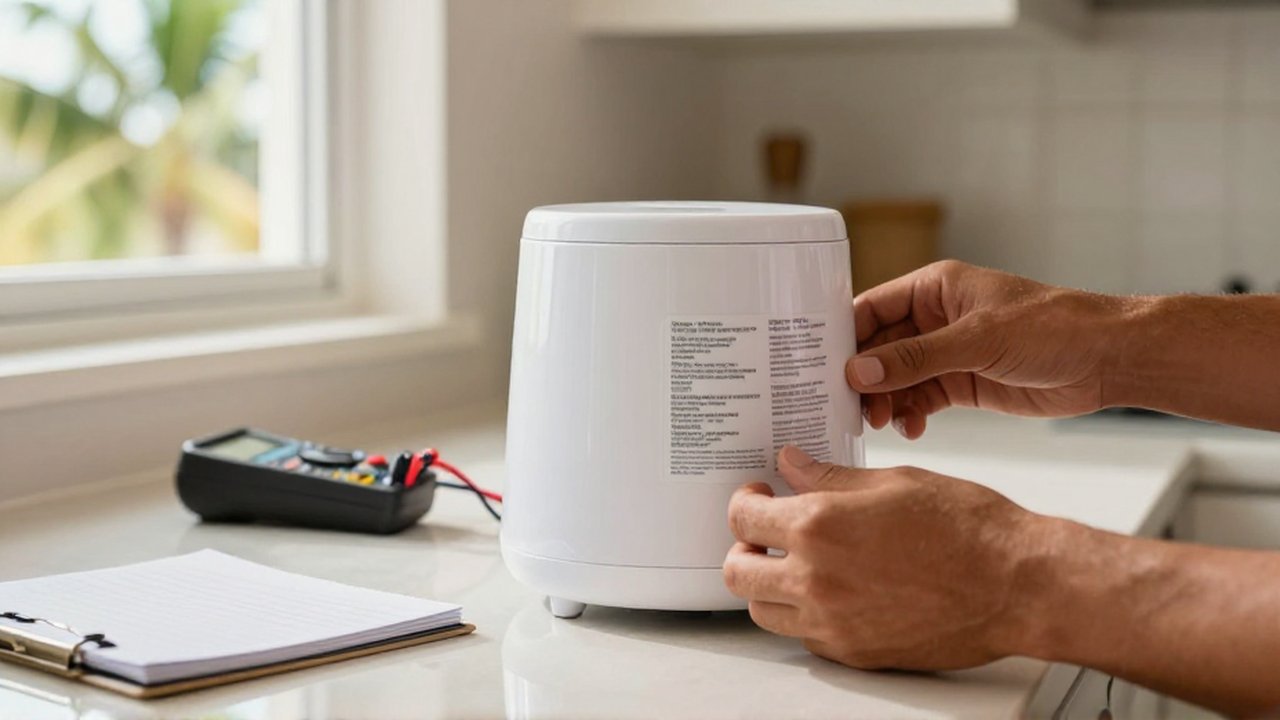
Every electrical device has a technical label, often located on the back, bottom, or near the power cord. This label contains the vital information needed to make an informed decision. When scanning these labels, look for the following specific terms:
- Voltage (V): Look for values ranging from 110V to 127V. If you see "220V" or "230V" as the only option, the device is not natively compatible with standard local outlets.
- Frequency (Hz): Ensure the device supports 60Hz. While many modern "switching" power supplies can handle both 50Hz and 60Hz, some older or specialized machinery may struggle with the difference.
- Dual Voltage or Universal Voltage: This is the safest option for travelers or those importing goods. A device labeled 100V–240V is "universal," meaning it can operate safely on almost any residential electrical grid in the world.
Using voltage converters and transformers correctly
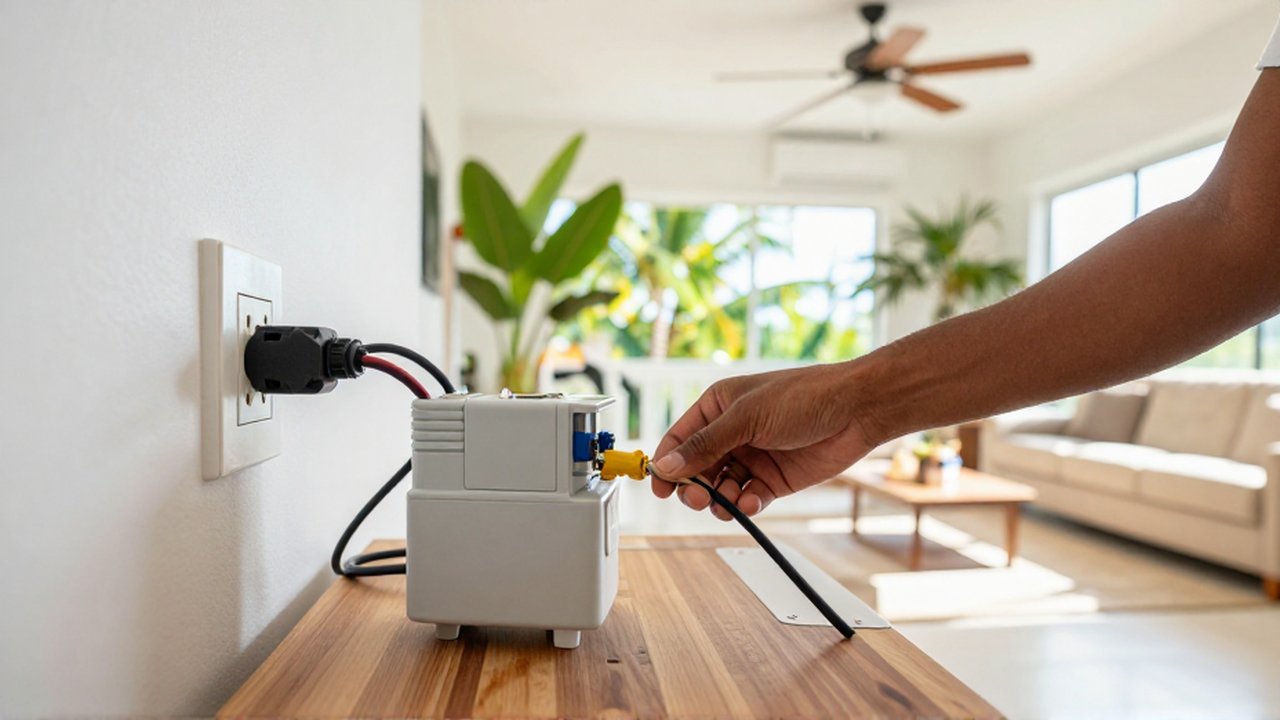
Sometimes, a specific appliance you desire is only available in a different voltage. In these cases, you might consider using a transformer or a voltage converter. However, it is essential to distinguish between the two, as they serve different purposes.
A voltage transformer is a heavy, robust device used to change the actual voltage level. These are necessary for high-power items like hair dryers, coffee makers, or kitchen appliances. A voltage converter is generally intended for smaller, low-power electronics like phone chargers or small radios.
It is a frequent mistake to use a light-duty converter for a high-wattage appliance, which can cause the converter to overheat and fail. Always check the wattage rating of your appliance and ensure that any transformer you purchase can handle at least 20% to 30% more power than the appliance requires to prevent overloads.
Essential safety checklist for new purchases
To ensure a seamless integration of new electronics into your home, follow this practical workflow before completing a purchase:
- Verify the label: Physically check the sticker or engraving on the product for the "Input" voltage.
- Check the plug type: Ensure the plug matches the Type A or Type B sockets common in the local region. If it does not, you will need an adapter, but remember that an adapter does not change the voltage.
- Calculate the load: If you are adding multiple high-power appliances to one circuit, ensure your home's breakers can handle the combined amperage.
- Prioritize universal devices: Whenever possible, choose products manufactured for the Americas or those labeled as universal voltage to avoid the extra cost and bulk of transformers.
Frequently asked questions
Can I use a simple plug adapter for a 220V appliance?
No. A plug adapter only changes the shape of the pins so they fit into the socket; it does not change the voltage. Using an adapter on a 220V appliance in a 110V outlet without a transformer will result in the device malfunctioning or failing to work.
What happens if I plug a 110V device into a 220V outlet?
This is a high-risk situation. The sudden surge of high voltage will likely cause an immediate electrical short, potentially destroying the appliance, tripping your circuit breaker, or causing a fire.
Is a device labeled "100-240V" safe to use here?
Yes. These devices are designed to be compatible with various global standards and will operate perfectly on the local 110V-120V grid without the need for any additional equipment.
Do I need a transformer for my laptop charger?
Most modern laptop, smartphone, and tablet chargers are "switching power supplies" that automatically detect and adjust to the input voltage (usually labeled 100V-240V). You should check the fine print on your charger to confirm, but most do not require a transformer.
Leave a Reply