
Tips for cleaning linen and avoiding mildew smells

Introduction
Maintaining fresh, clean linen is essential for a comfortable home environment and personal hygiene. Whether it is bed sheets, towels, or tablecloths, these textiles absorb sweat, skin oils, and environmental moisture, making them prone to bacterial buildup. When not treated correctly, these residues can lead to unpleasant odors and permanent staining.
In humid tropical climates, the challenge is amplified. High humidity levels create the perfect breeding ground for mold and mildew, which can embed themselves into fabric fibers. Proper cleaning techniques are not just about aesthetics; they are necessary to prevent the growth of microorganisms that can affect the longevity of your linens and the air quality in your bedroom.
Learning how to effectively wash, dry, and store your linens will ensure they remain soft and smelling fresh for longer. By following specific protocols for temperature control, drying times, and storage, you can avoid the frustrating "musty" smell that often plagues household textiles.
Causes of mildew smells in fabrics
Mildew smells are primarily caused by the growth of fungi that thrive in damp, dark, and poorly ventilated spaces. When linen is left wet for an extended period, microscopic spores begin to colonize the fibers. This process is significantly accelerated in environments with high humidity, where moisture lingers in the fabric even after a washing cycle.
Common culprits include leaving damp towels in a laundry basket, washing machines that remain closed while wet, or failing to dry linens completely before folding them. If the moisture is trapped within the folds of a stack of sheets, the lack of airflow allows bacteria to multiply, resulting in that characteristic sour or earthy odor.
Effective washing techniques for freshness
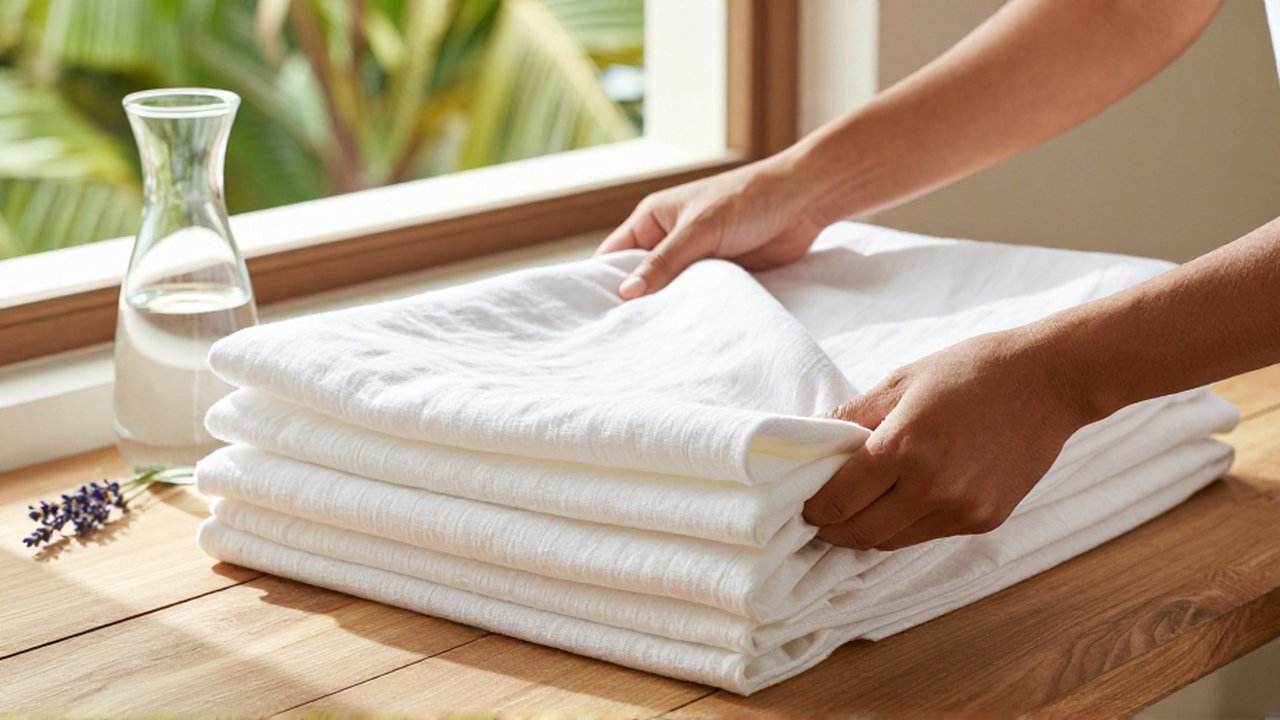
To combat odors, you must go beyond a simple wash cycle. The goal is to break down the organic matter—such as body oils and dead skin cells—that feeds mold growth.
Using the appropriate water temperature is a critical decision. While hot water is highly effective at killing bacteria and dissolving oils, you must always check the care label first to avoid shrinking delicate fabrics. For heavy cottons like bath towels and bed sheets, warmer water is generally preferred for sanitization.
Incorporating natural additives can enhance the cleaning process without relying solely on harsh chemicals. Adding a cup of white vinegar to the rinse cycle is an excellent way to strip away soap residue and neutralize odors. Similarly, baking soda can be added to the wash cycle to help regulate pH levels and boost the effectiveness of your detergent.
Importance of complete drying
The most common mistake in linen maintenance is inadequate drying. Even if a sheet feels dry to the touch, there may still be residual moisture deep within the fibers. If these sheets are immediately folded and placed in a linen closet, they essentially become a petri dish for mildew.
If you use a clothes dryer, ensure the cycle is long enough to reach the center of heavy items like duvet covers or thick towels. If you prefer air-drying, particularly in humid regions, ensure the linens are exposed to maximum airflow. Using a fan or hanging items in a well-ventilated area is essential to speed up the evaporation process.
Never store linens that are even slightly damp. It is always better to wait an extra few hours for complete dryness than to risk a mildew infestation that requires intensive chemical treatment to fix.
Proper storage and humidity control
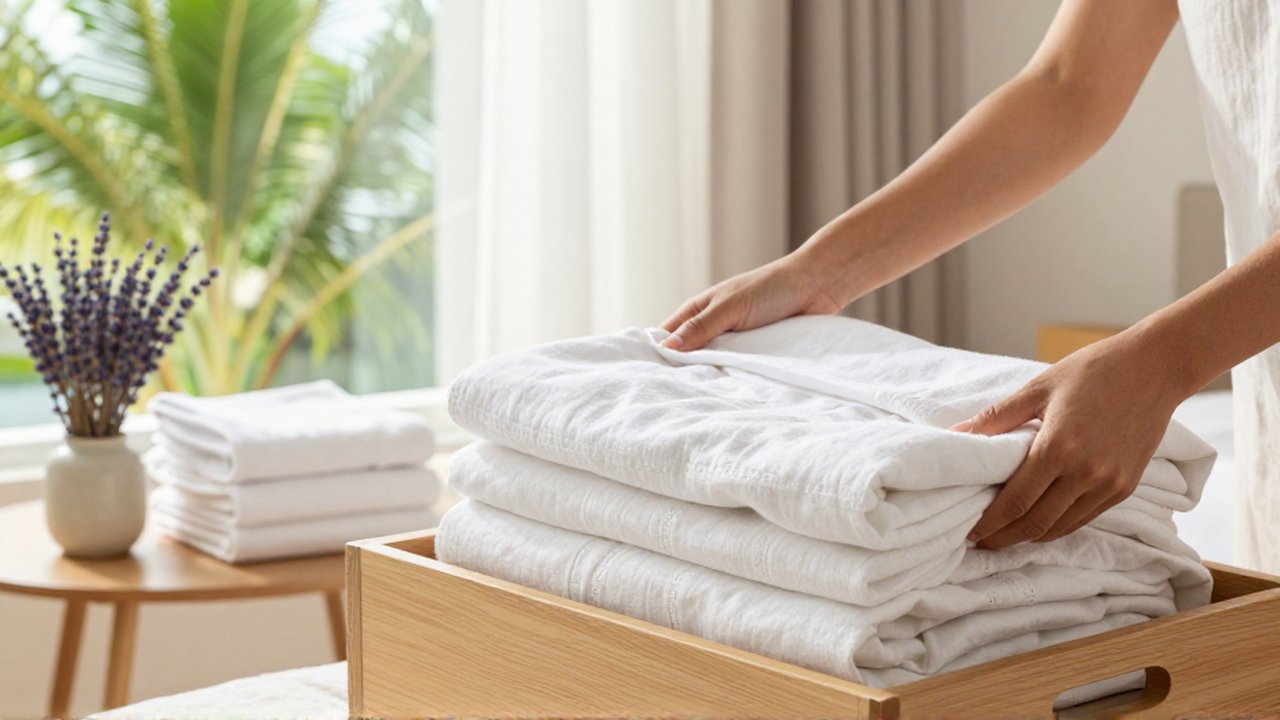
How you store your linens is just as important as how you wash them. Closets can often become stagnant areas where moisture accumulates. To maintain freshness, consider the following practices:
- Avoid overcrowding: Do not pack linen closets too tightly. Air needs to circulate between folded items to prevent moisture buildup.
- Use breathable containers: Store linens in cotton bags or open baskets rather than airtight plastic bins, which can trap any remaining moisture inside.
- Implement moisture absorbers: Placing silica gel packets or moisture-absorbing canisters in your linen closet can help regulate the microclimate and protect your textiles.
- Regular rotation: Periodically take your linens out of storage and let them breathe in a dry, ventilated room to prevent stale air from settling into the fibers.
Common mistakes to avoid
Many people unintentionally contribute to linen odors through poor laundry habits. One frequent error is using too much detergent. Excessive soap does not mean cleaner clothes; instead, it leaves a film on the fabric that traps dirt and moisture, making linens feel heavy and smell musty more quickly.
Another mistake is neglecting the washing machine itself. A machine that stays closed and damp after a cycle will develop mold in the rubber seals and drum. Always leave the washing machine door open after a load to allow the interior to dry completely. Finally, avoid mixing heavily soiled items, like kitchen linens, with delicate sleeping linens, as cross-contamination can spread odors and bacteria.
Frequently asked questions
How can I remove an existing mildew smell from my sheets? The best approach is to rewash the items using a combination of vinegar and baking soda. A soak in a solution of water and vinegar before the main wash cycle can also help break down the fungal spores responsible for the odor.
Is it safe to use bleach on all linens? Not all linens are suitable for bleach. While it is effective at killing mildew, it can damage certain fibers like silk, wool, or spandex, and may cause discoloration in colored fabrics. Always check the manufacturer's care instructions.
How often should I wash my bed sheets? To maintain hygiene and prevent odor buildup, it is generally recommended to wash bed sheets once a week. If you sweat heavily during the night or have allergies, more frequent washing may be necessary.
Can I prevent mildew by using fabric softener? Fabric softeners often leave a waxy coating on fibers that can actually trap moisture and bacteria inside the fabric. To avoid odors, use vinegar as a natural softener instead, as it rinses away cleanly and helps neutralize smells.
Leave a Reply