
How dampness affects furniture and wooden household items
Introduction
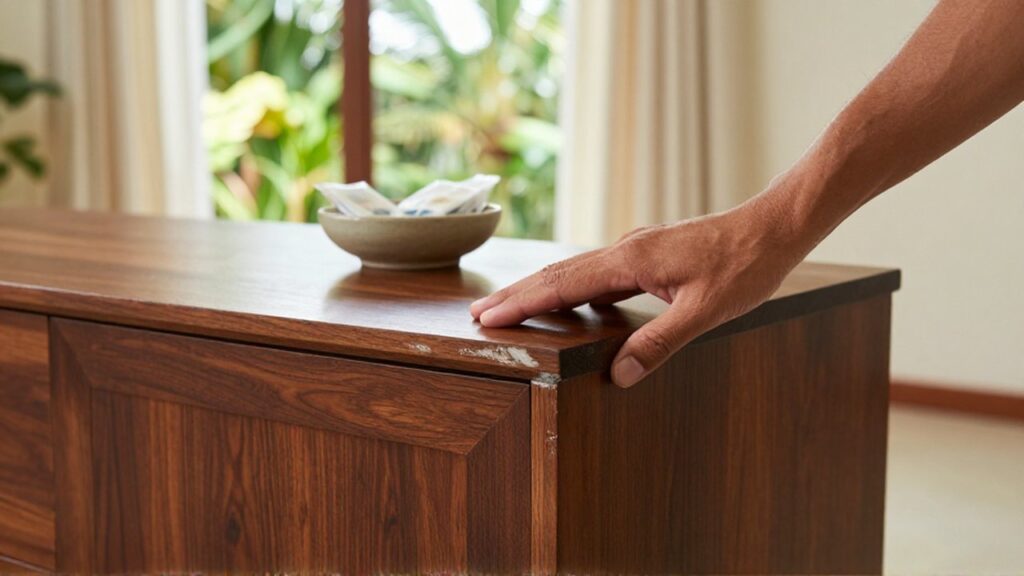
Dampness is a silent threat to the structural integrity and aesthetic value of your home's interior. In humid environments, excess moisture in the air penetrates porous materials, most notably wood, leading to progressive degradation. Understanding how moisture interacts with household items is essential for any homeowner looking to preserve their investments and maintain a healthy living space.
When moisture levels are not properly controlled, they trigger chemical and biological reactions within wooden objects. This can range from minor surface issues to catastrophic structural failures. Recognizing the early signs of dampness allows for timely intervention, preventing the need for expensive replacements or permanent damage to cherished heirlooms and functional furniture.
Damage mechanisms in wood and furniture
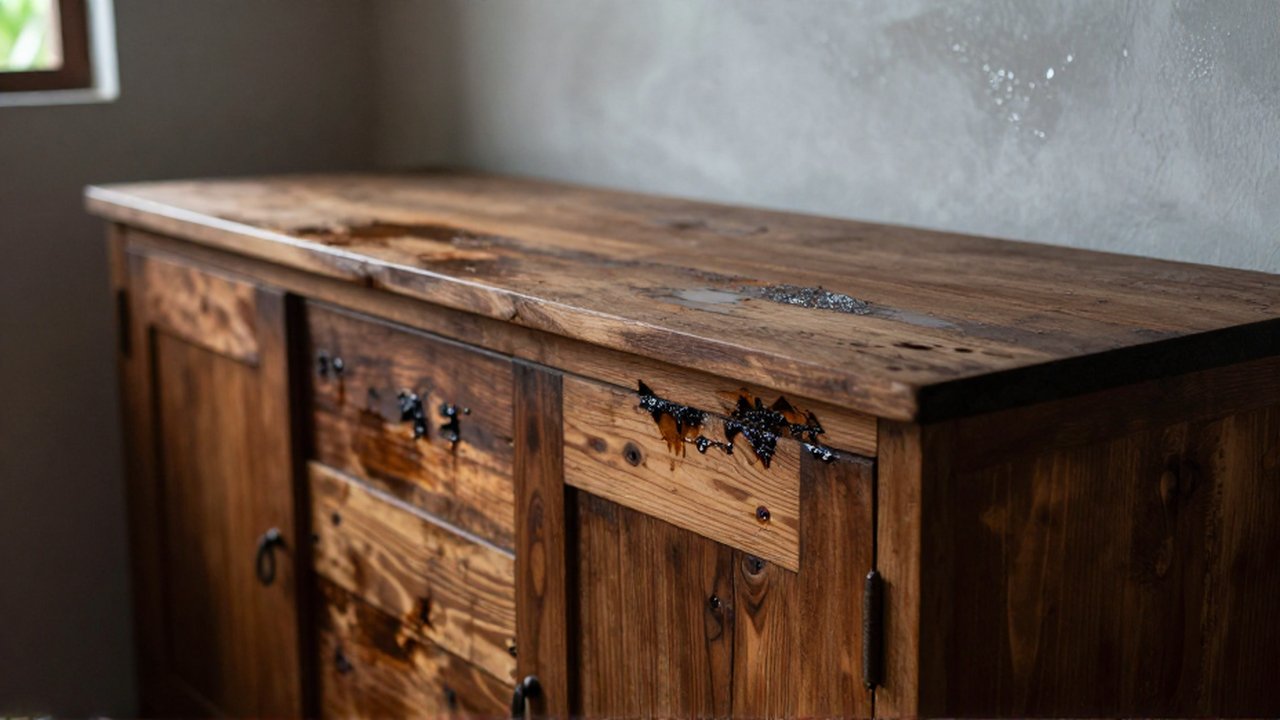
Wood is a hygroscopic material, meaning it naturally absorbs and releases moisture from the surrounding environment to reach an equilibrium. When the air becomes consistently saturated, the wood fibers swell, causing significant physical changes. This constant cycle of expansion and contraction is primarily responsible for the structural instability seen in many household items.
The most immediate effect of high humidity is warping. This occurs when different parts of a wooden object absorb moisture at different rates, causing the material to bend, twist, or bow. This is particularly common in large dining tables, doors, and flooring. Once wood has warped significantly, it is often impossible to return it to its original shape through simple drying.
Furthermore, dampness leads to cracking and splitting. As the wood undergoes repeated swelling and shrinking cycles, the internal stresses become too great for the fibers to hold. This results in visible cracks along the grain or at the joints of the furniture. Additionally, the glue used in laminated or joined furniture can fail, leading to wobbly chairs or unstable cabinets.
Biological risks and mold growth
Beyond physical deformation, dampness creates a breeding ground for biological organisms. Mold and mildew thrive in dark, stagnant, and moist environments. These organisms do not just sit on the surface; they can feed on the organic components of wood and the finishes applied to them.
Mold growth often manifests as dark spots, fuzzy patches, or discoloration on the surface of furniture. If left untreated, these fungi can penetrate deep into the wood fibers, causing permanent staining and a musty odor that is difficult to eliminate. This biological activity also poses a risk to indoor air quality, as mold spores can become airborne and circulate throughout the home.
In extreme cases of prolonged dampness, wood-destroying insects such as termites or carpenter ants may be attracted to the softened, moisture-laden wood. These pests can cause rapid and extensive internal damage that is often not visible until the structural integrity of the item has already been compromised.
Common signs of moisture intrusion
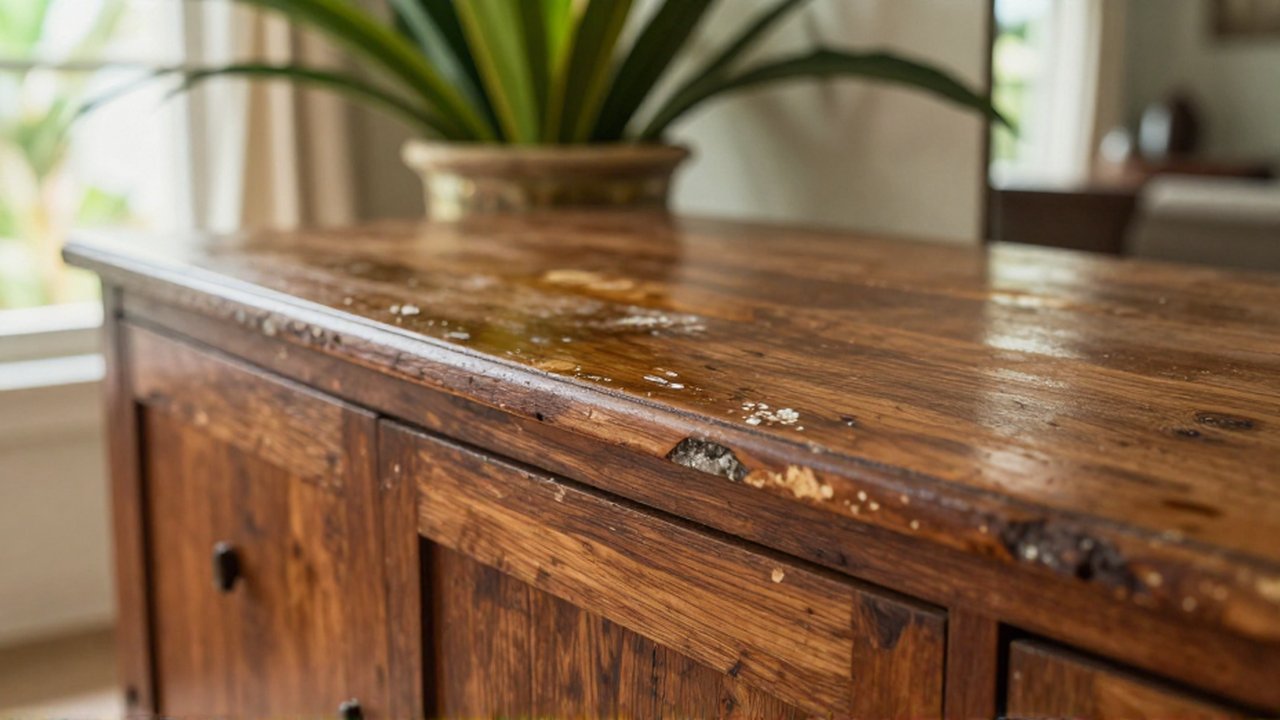
Identifying dampness early is the best way to mitigate damage. Homeowners should regularly inspect their wooden items for specific indicators that the environment is too moist.
- Surface changes: Look for bubbling in varnishes, peeling paint, or a cloudy appearance on polished surfaces.
- Structural shifts: Check if drawers no longer slide smoothly, doors stick in their frames, or if floors feel uneven.
- Olfactory cues: A persistent musty or earthy smell in a room often indicates that moisture is trapped in furniture or behind cabinetry.
- Visual textures: Watch for white or black spotting, which usually indicates the presence of mildew or mold.
Prevention and maintenance strategies
Protecting your furniture requires a proactive approach to humidity management. While it is impossible to eliminate humidity entirely, maintaining a stable environment can significantly extend the life of your wooden goods.
The most effective method is the use of dehumidifiers to regulate the indoor atmosphere. Maintaining a consistent humidity level helps prevent the wood from undergoing extreme shifts in volume. Additionally, ensuring proper ventilation in areas prone to moisture, such as kitchens, bathrooms, and laundry rooms, prevents pockets of stagnant air where dampness accumulates.
For the furniture itself, regular maintenance is key. Periodically cleaning wooden surfaces with appropriate conditioners can provide a protective barrier against moisture. Avoid placing wooden furniture directly against exterior walls, which can act as conduits for thermal transfer and condensation. Instead, leave a small gap to allow for adequate airflow behind the pieces.
Frequently asked questions
Can I fix warped wooden furniture? Small amounts of warping may sometimes be reversed through controlled drying, but significant structural warping is often permanent. In many cases, professional woodworking is required to stabilize the piece.
How can I tell if mold is inside my furniture? If you notice a strong musty odor even after cleaning the surface, or if discoloration appears to be coming from within the wood grain, it is likely that mold or fungi have penetrated the material.
Does using furniture polish help with dampness? High-quality waxes and oils can provide a temporary moisture-resistant layer. However, they are not a substitute for controlling the overall humidity levels of the room.
Is it safe to keep wooden furniture in a storage unit? Only if the storage unit is climate-controlled. Storing wood in unconditioned spaces exposes it to extreme temperature and humidity fluctuations, which can cause severe damage.
Leave a Reply