
Benefits of using porcelain tile in coastal homes
Introduction
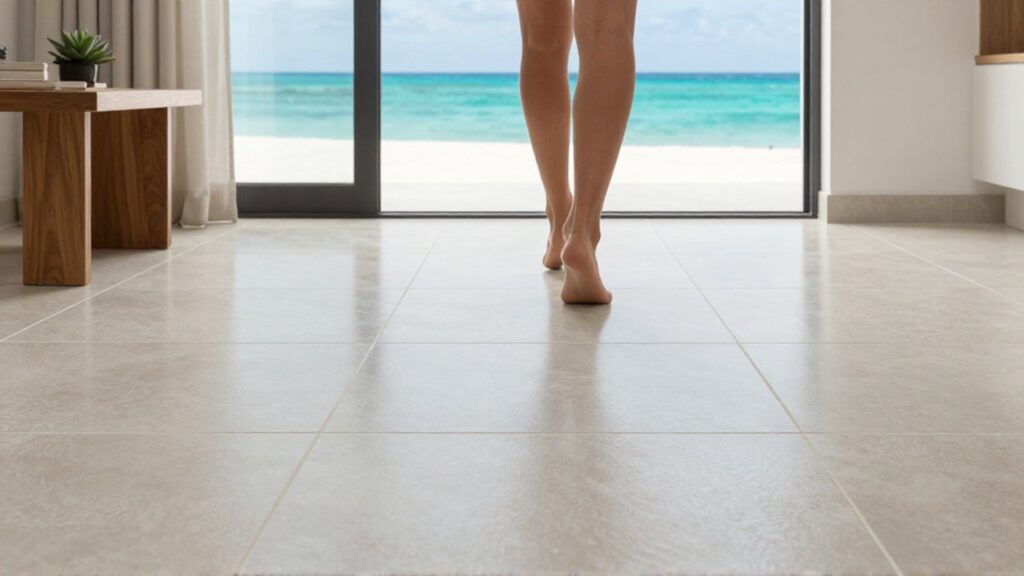
Living in a coastal environment offers breathtaking views and a unique lifestyle, but it also presents significant challenges for home maintenance. The constant presence of salt spray, high humidity, and intense tropical sunlight can cause traditional flooring materials to degrade, warp, or discolor much faster than in inland areas. Choosing the right flooring is essential to ensure your home remains beautiful and structurally sound despite these environmental stressors.
Porcelain tile has emerged as one of the most effective solutions for homeowners in seaside locations. Unlike wood, which may swell due to moisture, or certain natural stones that can be porous, porcelain is engineered for extreme durability and resistance to the elements. Understanding why this material is specifically suited for coastal climates can help you make a more informed decision for your long-term home investment.
Resistance to salt spray and humidity
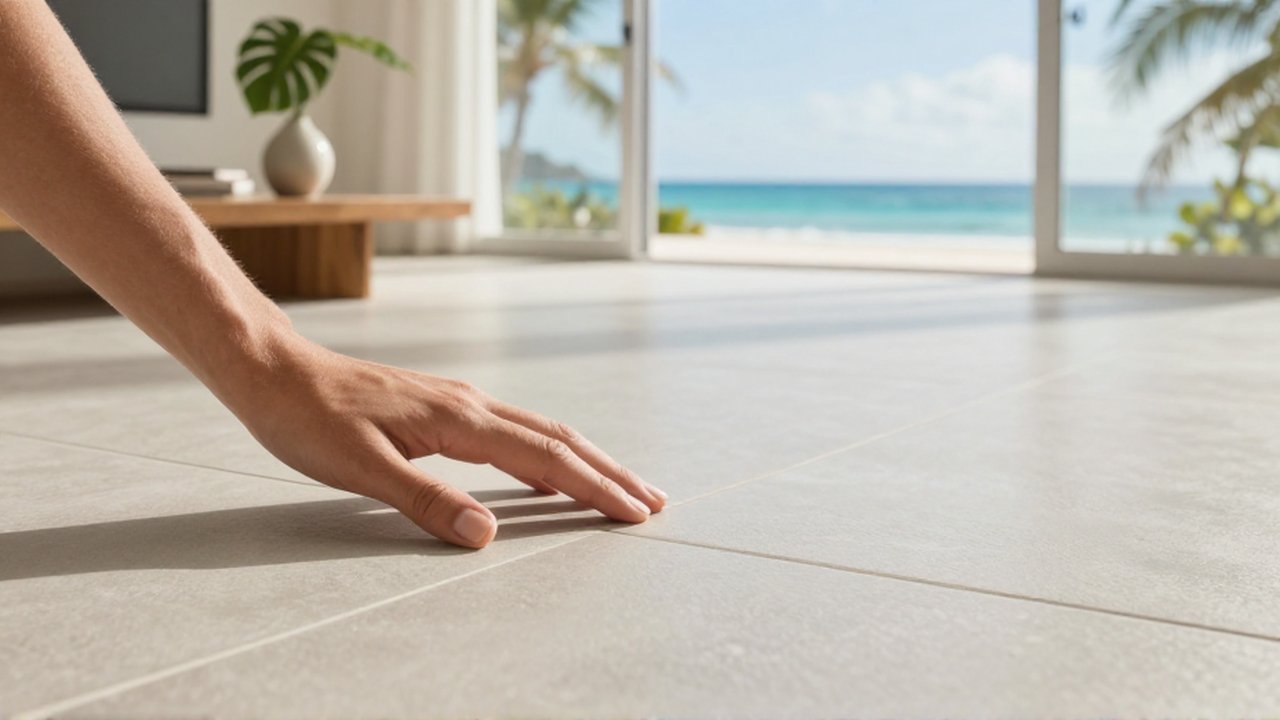
One of the primary advantages of porcelain tile is its incredibly low porosity. In coastal regions, moisture is a constant factor, and airborne salt particles can act as an abrasive or a corrosive agent on many surfaces. Because porcelain is fired at extremely high temperatures, it becomes a dense, nearly non-absorbent material.
This density means that humidity does not penetrate the tile, preventing the growth of mold, mildew, or fungus within the material itself. Furthermore, salt air—which can cause metal or soft stone to pit and erode—has little effect on the vitrified surface of porcelain. This makes it an ideal choice for open-concept homes that feature large sliding doors or windows leading directly to the beach or ocean.
Durability against sand and foot traffic
Coastal homes often face a unique type of "wear and tear" caused by sand. Sand acts as a natural abrasive; when tracked in on bare feet or pet paws, it can easily scratch delicate hardwood or laminate flooring. Porcelain tile is exceptionally hard and scratch-resistant, making it capable of withstanding the constant movement of sand and high volumes of foot traffic.
Beyond scratch resistance, porcelain is highly resilient to impact. Whether it is heavy furniture being moved during a seasonal reorganization or the accidental dropping of objects, porcelain is less likely to crack or dent compared to softer materials. This durability ensures that the floor maintains a pristine appearance for years, even in high-use areas like entryways, sunrooms, and kitchen spaces.
Ease of maintenance and cleaning
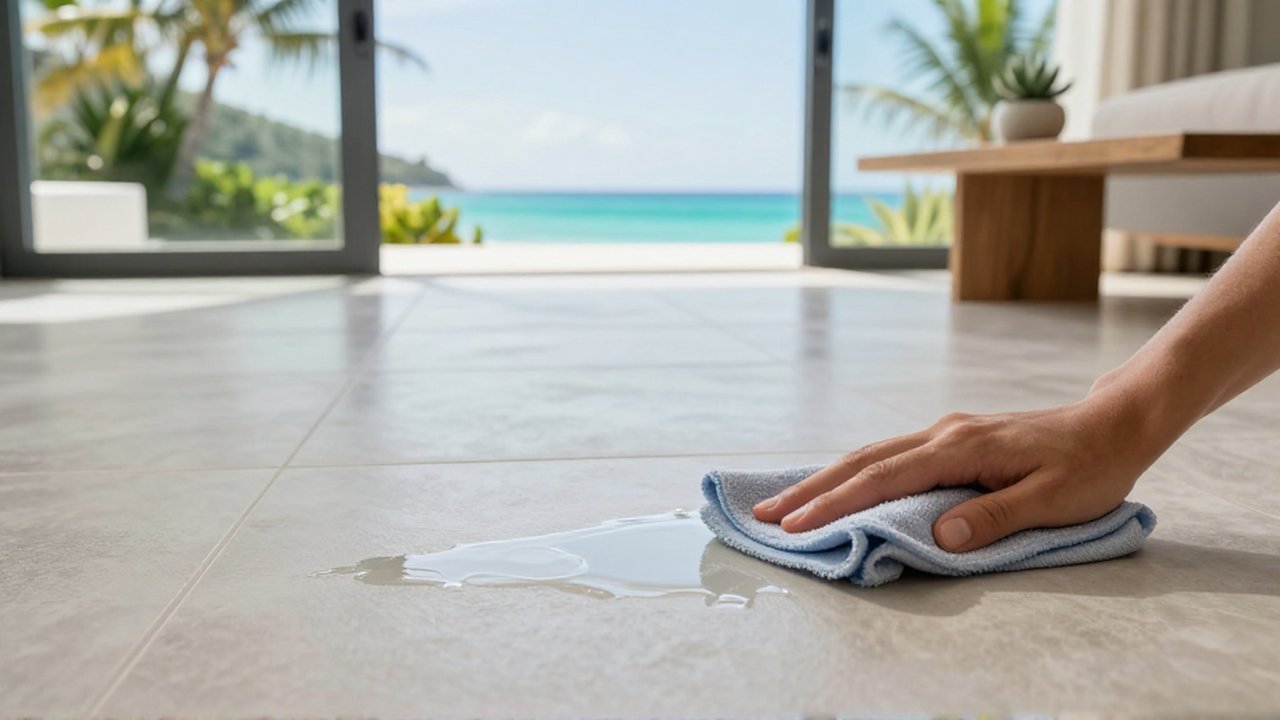
Maintaining a clean home near the ocean requires frequent cleaning to remove salt residue and sand. Porcelain tile simplifies this process significantly. Because the surface is non-porous and chemically stable, it can be cleaned with a variety of mild detergents without the risk of staining or damaging the finish.
The following table outlines how porcelain compares to other common materials in a coastal setting:
| Feature | Porcelain Tile | Hardwood | Natural Stone |
|---|---|---|---|
| Moisture Resistance | Extremely High | Low to Moderate | Moderate |
| Sand/Scratch Resistance | Very High | Low | Moderate |
| Cleaning Ease | Very Easy | Moderate | Requires Sealing |
| Salt Air Stability | Excellent | Moderate | Variable |
For homeowners, this means less time spent on specialized floor treatments and more time enjoying the coastal lifestyle. A simple mop and water solution are often all that is required to restore the shine to a porcelain floor.
Thermal stability and aesthetic versatility
Coastal climates often experience significant temperature fluctuations between the midday sun and the cooler ocean breezes. Porcelain is thermally stable, meaning it does not expand or contract excessively with temperature changes, which helps prevent cracking or grout failure. Additionally, porcelain's thermal mass allows it to stay cool to the touch, providing a refreshing sensation during hot tropical afternoons.
Aesthetically, porcelain offers endless possibilities for decor. Modern manufacturing techniques allow porcelain to mimic a wide range of materials, including:
- Natural Stone: Replicate the look of marble or travertine without the maintenance of sealing.
- Wood Planks: Achieve the warmth of a wooden floor with the water resistance of tile.
- Concrete: Create a modern, industrial coastal look that is extremely tough.
- Textured Finishes: Choose matte or slip-resistant textures for bathrooms and outdoor patios to ensure safety when the floor is wet.
Frequently asked questions
Does porcelain tile slip when wet? While some polished porcelain can be slippery, many varieties are manufactured with textured or matte finishes specifically designed to provide slip resistance, which is vital for coastal homes where moisture is common.
Is porcelain tile difficult to install in humid environments? The installation process is standard, but it is crucial to use high-quality, moisture-resistant thin-set mortars and grout to ensure the tiles bond correctly and remain stable in humid conditions.
Can I use porcelain tile on outdoor coastal patios? Yes, porcelain is excellent for outdoor use due to its weather resistance; however, you should ensure you select a grade specifically rated for outdoor use with sufficient slip resistance.
How do I prevent grout from discoloring in a coastal home? Using epoxy grout or high-performance, non-porous grouts can prevent the absorption of moisture and salt, keeping the grout lines looking clean for much longer.
Leave a Reply