
Best ways to eliminate termites from wooden structures

Introduction
Termites are silent destroyers that pose a significant threat to the structural integrity of homes, especially in tropical climates like the Dominican Republic. These small insects feed on cellulose, which is the primary component of wood, and can cause extensive, hidden damage to beams, flooring, and furniture before they are even detected. Understanding how to identify and eliminate them is crucial for protecting your investment and ensuring the safety of your living space.
Eliminating termites requires a combination of immediate intervention and long-term prevention strategies. Because different species of termites inhabit different parts of a structure, a one-size-fits-all approach rarely works. Effective management involves recognizing the specific type of infestation you are facing, choosing the appropriate treatment method, and modifying your environment to prevent future occurrences.
Common signs of termite activity
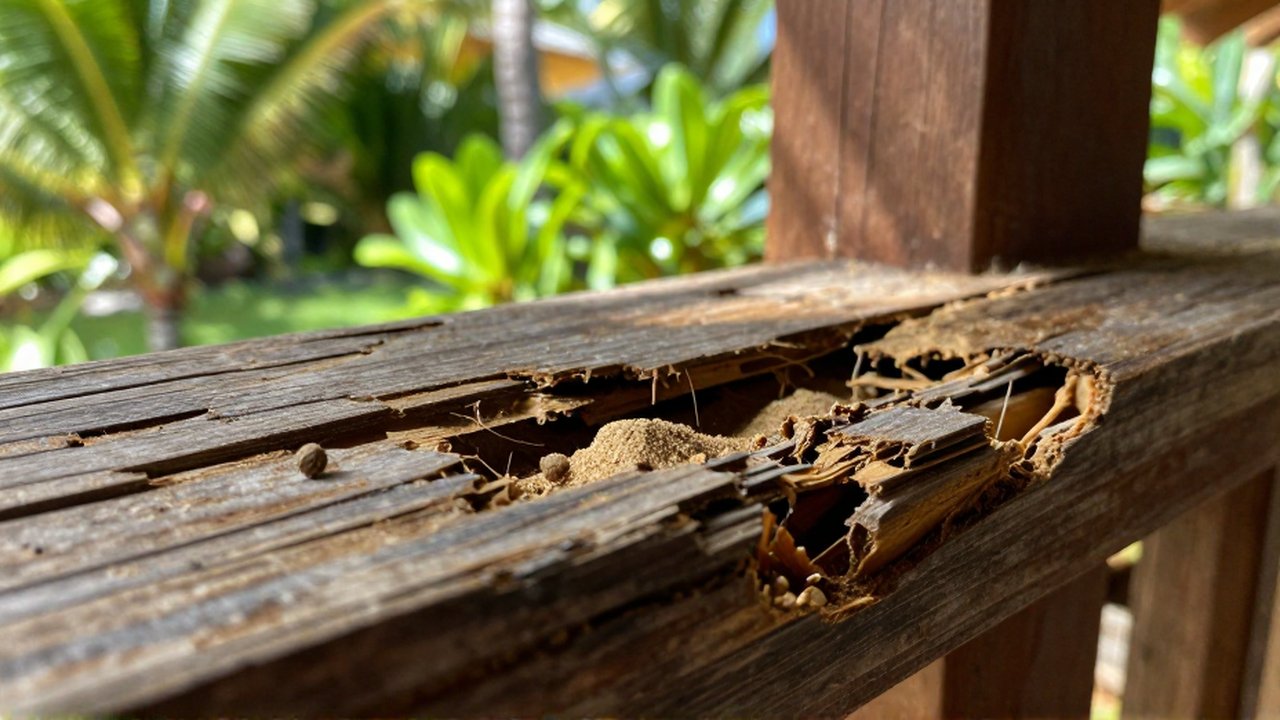
Before applying any treatments, you must confirm the presence of termites and determine the extent of the damage. Look for mud tubes, which are small tunnels made of soil that termites build to travel between the ground and your wooden structures. These tubes provide the moisture and protection the insects need to survive.
Another common sign is the presence of discarded wings. When certain types of termites swarm to start new colonies, they shed their wings, which often accumulate near windowsills or doorways. You might also notice hollow-sounding wood, peeling paint, or small holes in wooden surfaces. If you see these signs, it is important to inspect the area thoroughly to see if the damage is localized or part of a larger structural issue.
Effective methods for eliminating termites
Depending on the severity of the infestation, several methods can be used to eradicate the colony. The choice of method often depends on whether the termites are subterranean (living in the soil) or drywood termites (living inside the wood itself).
- Liquid Soil Barriers: This method involves applying termiticides to the soil around the perimeter of the house. This creates a chemical barrier that kills termites as they attempt to enter the structure from the ground.
- Baiting Systems: Termite bait stations are placed around the foundation of a building. Termites consume the bait, which contains a slow-acting growth regulator, and carry it back to the colony, eventually eliminating the queen and the entire population.
- Localized Wood Treatments: For drywood termites already inside the structure, specialized wood preservatives or localized injections of termiticides can be used to target the specific infested area.
- Heat Treatment: In some specialized cases, extreme heat is applied to wooden items or specific structural sections to kill termites and their eggs without the use of chemicals.
| Method | Best For | Primary Advantage |
|---|---|---|
| Liquid Barriers | Subterranean termites | Long-lasting protection |
| Baiting Systems | Large colonies | Targets the entire nest |
| Localized Injections | Drywood termites | Minimal damage to surroundings |
| Heat Treatment | Furniture and small items | Chemical-free solution |
Preventive measures to protect your home
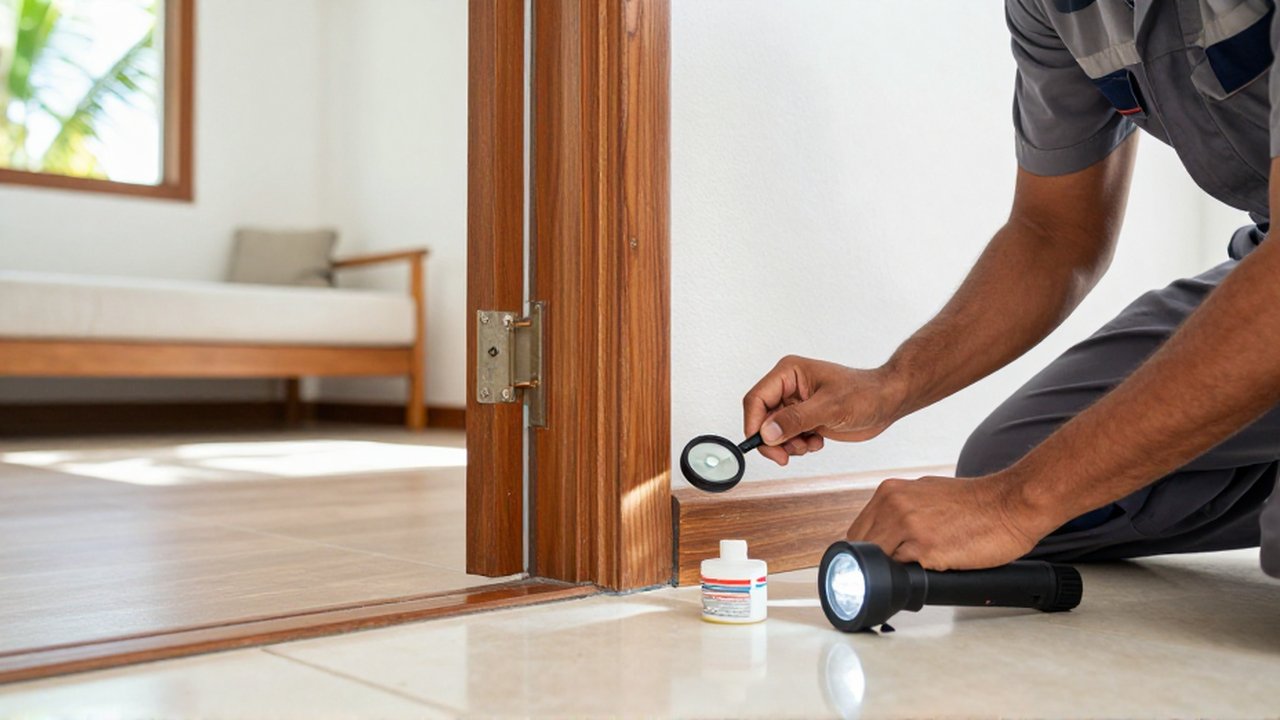
Eliminating an existing colony is only half the battle; preventing a new infestation is equally important. The most effective way to deter termites is to manage moisture and remove their food sources from near your home.
Ensure that your home's drainage systems work correctly and that water does not pool near the foundation. Termites are highly attracted to damp wood and moist soil. Additionally, keep firewood, mulch, and other organic debris at least a few feet away from the house. Using non-wood materials for landscaping, such as stones or gravel, can also create a less hospitable environment for termites.
Regular inspections are a vital part of home maintenance. Check your wooden structures, especially during the transition between rainy and dry seasons, for any new signs of activity. Addressing a small problem early is much more cost-effective and less invasive than dealing with a full-scale structural infestation.
Frequent mistakes in termite management
One of the most common errors is applying topical sprays to the surface of the wood and assuming the problem is solved. While surface sprays might kill the termites you see, they rarely reach the heart of the colony, allowing the infestation to continue deep within the walls or foundations.
Another mistake is neglecting the source of the problem, such as a leaking pipe or a damp basement. If you kill the termites but leave the wood damp, you are simply inviting a new colony to move in. Finally, attempting to handle massive structural infestations without professional guidance can lead to incomplete treatments and wasted resources.
Frequently asked questions
Can I use household cleaners to kill termites? No, common household cleaning products are not designed to eliminate termite colonies. While they might kill a few individuals on contact, they will not reach the nest or prevent further damage.
How long does a termite treatment typically last? The duration varies depending on the method used. Liquid soil barriers can offer protection for several years, while baiting systems require regular monitoring to ensure the colony has been fully eradicated.
Is it better to use chemicals or baiting systems? Both have advantages. Liquid barriers provide a strong physical and chemical perimeter, whereas baiting systems are often more effective at destroying the entire colony by targeting the queen.
Should I call a professional or do it myself? For minor, localized issues with drywood termites, DIY methods may be possible. However, for subterranean termites or widespread structural damage, professional intervention is highly recommended to ensure the entire colony is eliminated.
Leave a Reply