
How to identify condensation caused by poor ventilation

Introduction
Condensation is the process where water vapor in the air turns into liquid water upon contact with a cooler surface. In the tropical climate of the Dominican Republic, where humidity levels are naturally high, this phenomenon is a common household challenge. When air does not circulate properly, moisture becomes trapped inside rooms, leading to droplets on windows, damp walls, and a persistent feeling of heaviness in the air.
Identifying whether your moisture problems stem from poor ventilation rather than structural leaks is crucial for effective home maintenance. Understanding the specific patterns of water buildup allows you to address the root cause—stagnant air—rather than just treating the symptoms. This knowledge helps prevent long-term damage to your property and ensures a healthier living environment for your family.
Recognizing these signs early can save you from expensive repairs. Addressing ventilation issues is often a more sustainable and cost-effective solution than constantly cleaning mold or replacing damaged drywall. By learning to read the subtle clues your home provides, you can maintain a dry, comfortable, and well-preserved residence.
Common signs of moisture buildup

The first step in identifying ventilation-related condensation is observing where the water accumulates. If condensation is caused by a lack of airflow, it typically follows predictable patterns related to how air moves (or fails to move) within a room.
One of the most common indicators is the presence of "foggy" windows or water droplets on glass panes. While this can happen in any climate, in a poorly ventilated room, these droplets often persist for long periods because there is no dry air moving through the space to evaporate them. Another significant sign is the appearance of dampness or dark spots in corners, behind large furniture, or in areas where air circulation is naturally obstructed, such as closets or between a bed and a wall.
You should also pay attention to the "feel" of the room. If a room feels significantly more humid than the rest of the house, or if there is a lingering musty odor even after cleaning, it is a strong indicator that moisture is being trapped. Unlike a plumbing leak, which usually presents as a localized, dripping, or spreading wet spot, ventilation-related condensation tends to be more widespread and follows the temperature gradients of the room.
Distinguishing condensation from structural leaks
It is vital to differentiate between condensation and a water leak to ensure you apply the correct remedy. Using a simple diagnostic approach can help you determine the source of the moisture.
| Feature | Condensation (Ventilation Issue) | Structural Leak (Plumbing/Roof) |
|---|---|---|
| Location | Surfaces like windows, mirrors, and cold walls. | Ceilings, specific spots on walls, or near pipes. |
| Pattern | Widespread, often appearing in cycles (mornings/nights). | Persistent, localized, and often worsening after rain. |
| Surface Feel | Surface dampness, often accompanied by fogging. | Deep saturation, peeling paint, or bubbling drywall. |
| Trigger | High humidity levels or cooking/showering. | Rainfall or heavy water usage in adjacent rooms. |
If you notice water appearing only after you have taken a hot shower or cooked a large meal, it is almost certainly a ventilation issue. If the moisture appears suddenly after a tropical storm or seems to originate from inside a ceiling, you are likely dealing with a leak in the roof or a pipe.
Key areas to inspect in the home
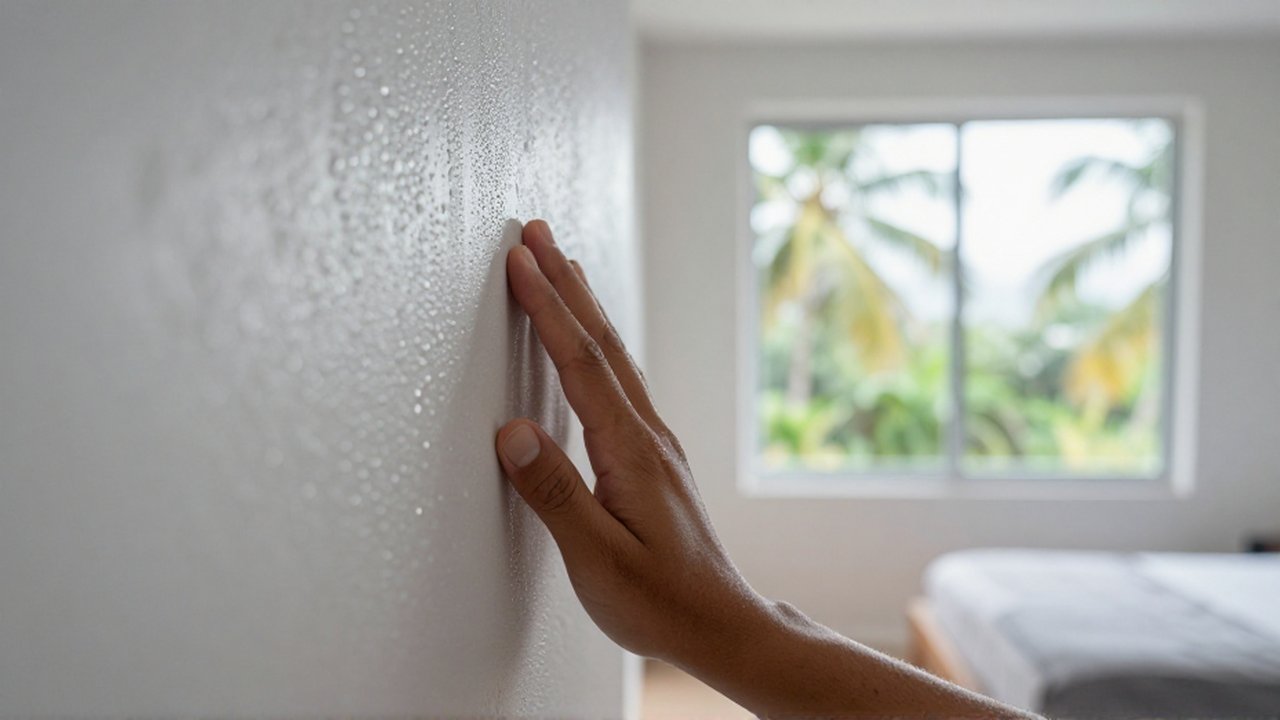
To pinpoint the exact areas suffering from poor airflow, conduct a systematic inspection of the most vulnerable zones in your home.
Bathrooms and Kitchens These are the primary sources of indoor humidity. Check the walls near the shower and the areas around the stove. If you do not have exhaust fans, or if the existing fans are insufficient, you will likely see condensation on the ceiling or mirrors. If the moisture stays on the surfaces long after you have finished using these rooms, your ventilation is inadequate.
Bedrooms and Closets Closets are notorious for trapping air. Check the back walls of your wardrobes and the corners of the room. If you find mold or dampness on clothing or inside the closet, it means air is not circulating behind the furniture or through the doorway. Similarly, if there is moisture on the windows of a bedroom, it often indicates that the room is being closed off for too long without fresh air exchange.
Corners and Furniture placement Inspect the spaces behind sofas, beds, and heavy cabinets. Furniture placed directly against external walls can block the natural movement of air, creating "dead zones" where moisture accumulates. If you see a dark line of dampness or discoloration where the furniture meets the wall, you have identified a lack of ventilation.
Practical steps to verify ventilation effectiveness
Once you have identified suspicious areas, you can perform simple tests to confirm if the air is moving effectively.
First, observe the air movement during different times of the day. Open windows and doors in a room and see if you can feel a breeze or if the air feels "heavy" despite having the windows open. If the air feels stagnant, the room's layout or the lack of cross-ventilation is likely the culprit.
Second, monitor the drying time of surfaces. If a towel or a damp cloth left in a room takes an unusually long time to dry, the ambient humidity is too high due to stagnant air. Finally, consider the "breath test." If you stand in a room and feel a sense of stuffiness or if you notice your breath fogging up a nearby surface easily, the air exchange rate is too low to manage the moisture being generated by daily activities.
Frequently asked questions
Can high outdoor humidity cause indoor condensation? Yes, in tropical climates like the Dominican Republic, the high outdoor humidity can enter the home through open windows. If this moist air then hits a cooler surface (like an air-conditioned wall), it will condense. Proper ventilation must balance bringing in fresh air with managing the moisture load.
Does using an air conditioner help with condensation? An air conditioner acts as a dehumidifier by removing moisture from the air as it cools. However, if the room is poorly designed and lacks airflow, the moisture can still settle in "dead zones" that the AC unit cannot reach effectively.
Is mold always a sign of a leak? No. While leaks cause mold, condensation caused by poor ventilation is one of the most frequent causes of mold growth. If mold appears in patterns related to window frames or corners of unventilated rooms, it is likely due to condensation.
How can I improve ventilation without major renovations? Simple steps include using exhaust fans in bathrooms, keeping interior doors open to allow cross-ventilation, using ceiling fans to move air, and pulling furniture a few inches away from external walls to prevent stagnant pockets.
Leave a Reply