
Solutions for slow draining sinks in humid climates
Introduction
Slow draining sinks are a common household frustration that can quickly escalate into a significant hygiene and maintenance issue. In humid tropical climates, this problem is often exacerbated by high moisture levels and specific environmental factors that contribute to organic buildup and structural vulnerabilities. Addressing slow drains is essential to prevent unpleasant odors, potential water damage, and the growth of mold or bacteria within the plumbing system.
Understanding why drains slow down in these specific environments allows homeowners to implement more effective prevention and repair strategies. Whether it is a kitchen sink clogged by grease or a bathroom basin slowed by hair and soap scum, identifying the root cause is the first step toward a permanent solution. Proactive management ensures that your home remains functional, sanitary, and structurally sound despite the challenges posed by high humidity.
Causes of drainage issues in tropical environments
In regions with high humidity, the plumbing system is constantly exposed to moisture-rich air, which can influence how organic matter behaves within the pipes. Slow drainage is rarely caused by a single factor but is usually the result of a combination of lifestyle habits and environmental conditions.
One of the primary culprits is the accumulation of organic debris. In kitchens, fats, oils, and grease (FOG) are frequently washed down the drain. In humid heat, these substances can solidify more unpredictably within the pipes, creating a sticky layer that catches other particles. In bathrooms, hair, toothpaste, and soap scum create a dense mass that restricts water flow.
Furthermore, high humidity can accelerate the decomposition of organic matter trapped in the P-trap, leading to the production of gases and foul odors. If the drainage system is not properly ventilated, the pressure imbalance can further hinder the speed at which water exits the basin. In some cases, tropical weather patterns and shifting soil can also lead to subtle shifts in external pipes, affecting the slope and efficiency of the drainage flow.
Effective methods to clear slow drains
When a sink begins to drain slowly, there are several tiered approaches to restoring flow, ranging from simple household remedies to mechanical interventions.
Natural chemical reactions A common and non-toxic method involves using a combination of baking soda and vinegar. By pouring a significant amount of baking soda down the drain followed by vinegar, a chemical reaction occurs that can loosen minor buildup. After letting the mixture sit for several minutes, flushing the system with boiling water can help wash away the loosened debris. This is most effective for early-stage clogs.
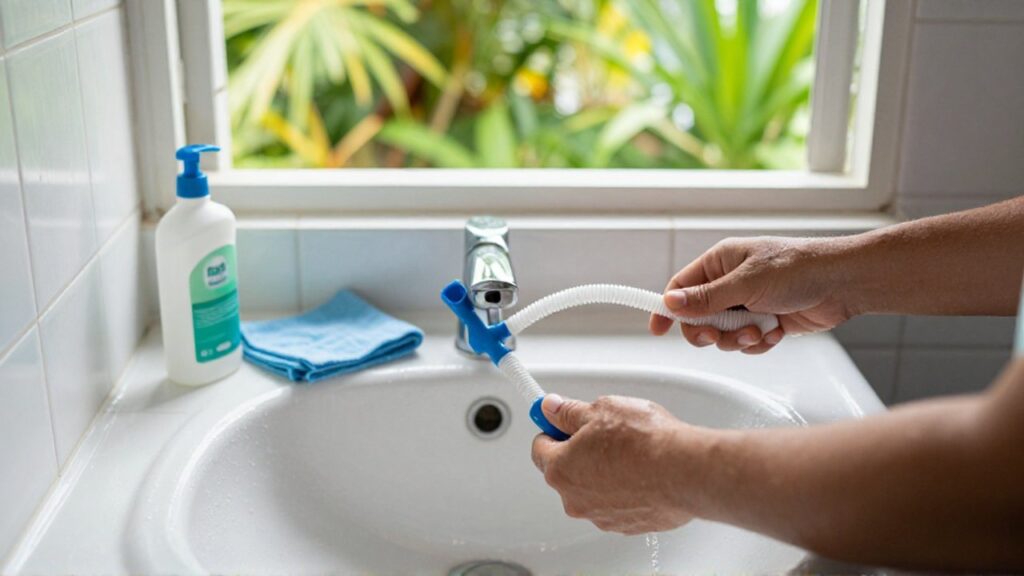
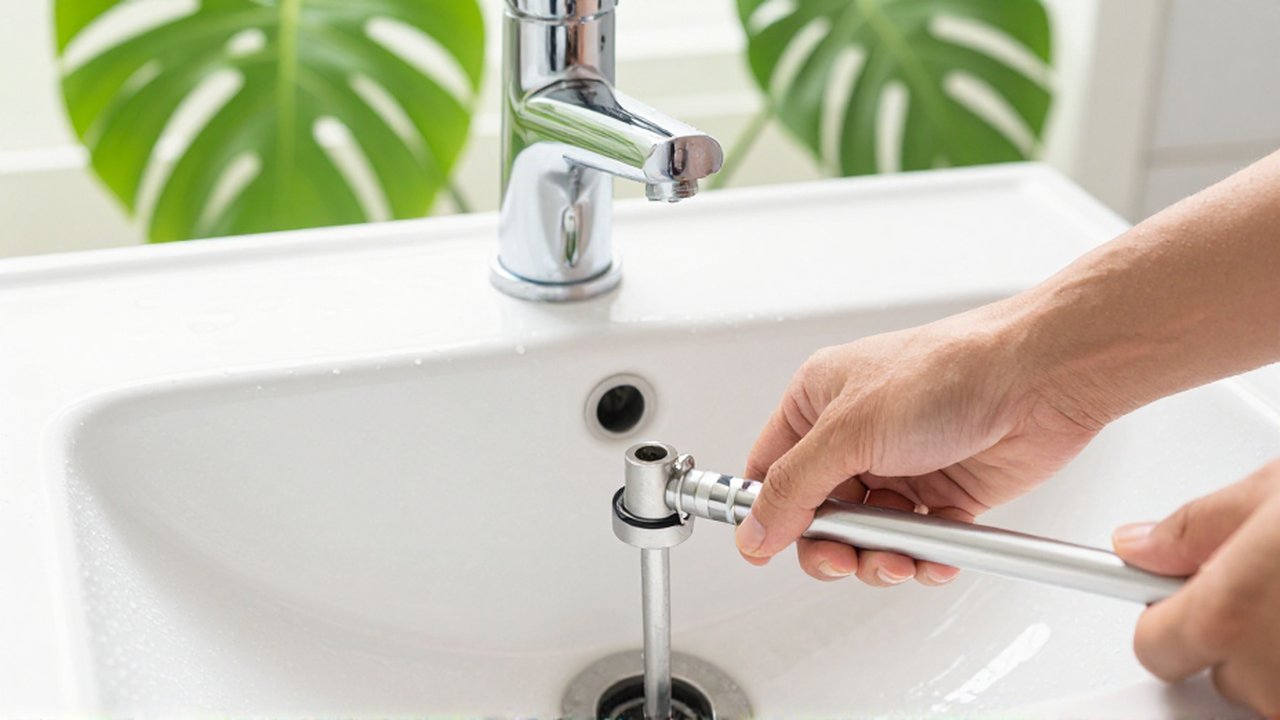
Mechanical tools If natural methods fail, mechanical tools are necessary. A small, handheld sink plunger can often use pressure to dislodge a blockage. For deeper clogs, a plumbing snake or "auger" is a more reliable option. This tool is inserted into the drain to physically break up or hook onto the obstruction. This method is particularly useful for hair clogs in bathroom sinks.
Manual cleaning of the P-trap The P-trap is the U-shaped pipe located directly beneath the sink. It is designed to hold a small amount of water to prevent sewer gases from entering the home, but it is also the most common place for debris to settle. Placing a bucket under the sink, unscrewing the slip nuts, and manually cleaning the trap is often the most definitive way to resolve a slow drain without using harsh chemicals.
Preventive measures for long term maintenance
Preventing a clog is significantly easier and more cost-effective than fixing one. In humid climates, maintaining a clean drainage system requires consistent habits.
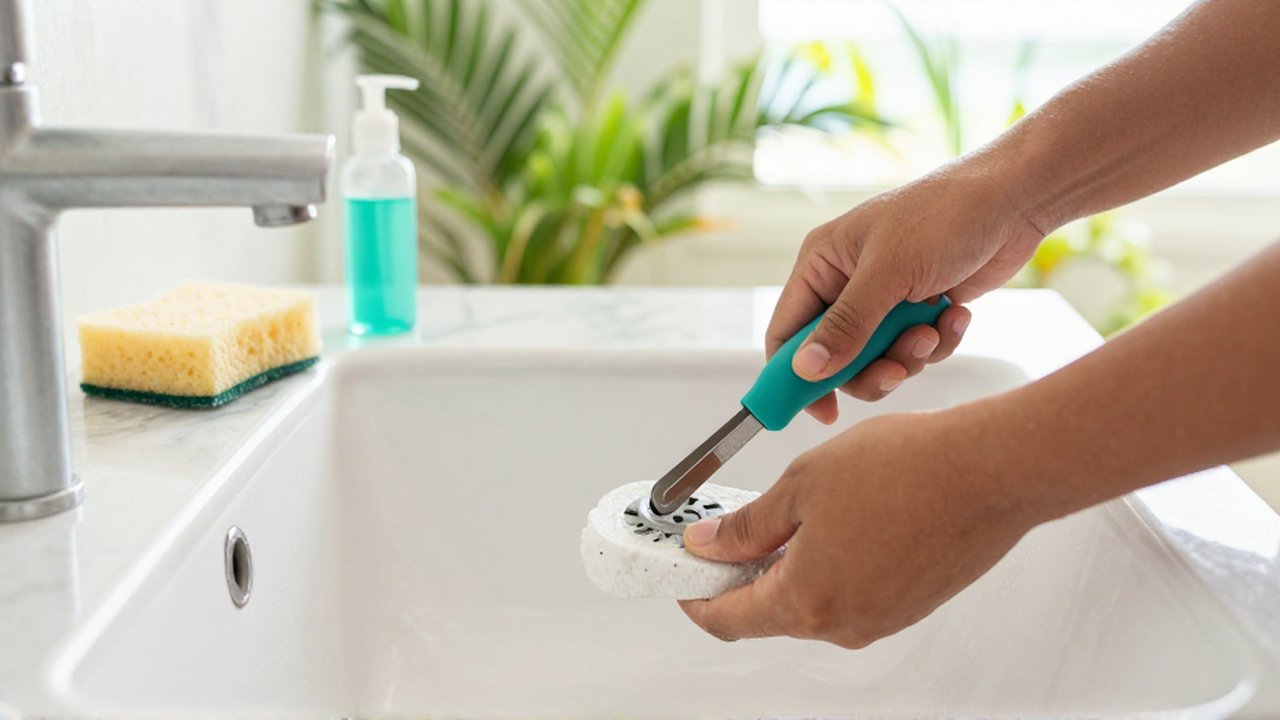
- Use drain strainers: Installing mesh strainers in both kitchen and bathroom sinks will catch hair, food scraps, and other solid particles before they enter the plumbing.
- Avoid pouring grease down drains: Always scrape fats and oils into a container and dispose of them in the trash rather than washing them down the sink.
- Regular hot water flushes: Once a week, pouring a kettle of hot water down the drain can help dissolve small amounts of soap scum and oil buildup before it becomes a problem.
- Manage humidity and ventilation: Ensure that bathrooms are well-ventilated with fans or open windows. Reducing ambient moisture helps prevent the rapid accumulation of mold and organic sludge that can contribute to plumbing issues.
Comparison of cleaning approaches
| Method | Effectiveness | Difficulty | Risk Level |
|---|---|---|---|
| Baking Soda & Vinegar | Low (Minor clogs) | Very Easy | Very Low |
| Plunger | Medium | Easy | Low |
| Plumbing Snake | High | Moderate | Moderate |
| Cleaning P-Trap | Very High | Hard | Moderate |
Frequently asked questions
Can humidity alone cause a sink to drain slowly? Humidity does not directly clog pipes, but high moisture levels can accelerate the decomposition of organic matter in the drain and promote the growth of biofilm, which can lead to slower drainage and odors.
Should I use commercial chemical cleaners? While convenient, commercial chemical cleaners can be harsh on older pipes and may cause damage over time. They are generally considered a temporary fix and should be used with caution according to the product instructions.
How often should I clean my P-trap? For most households, a deep clean of the P-trap is only necessary when a clog occurs. However, performing a manual inspection and cleaning once a year can prevent unexpected issues.
When should I call a professional plumber? If you have tried mechanical tools and cleaning the P-trap without success, or if you notice multiple drains in your home slowing down simultaneously, the issue may be in the main sewer line, which requires professional equipment to resolve.
Leave a Reply