
How to remove hard water stains from porcelain sinks

Introduction
Hard water stains are a common problem in many households, particularly in regions where the water supply has a high mineral content. These stains, often appearing as white, cloudy, or chalky rings around the drain or faucets, are caused by the buildup of calcium and magnesium deposits. If left unaddressed, these mineral accumulations can become etched into the porcelain surface, making the sink look dull and aged despite regular cleaning.
Removing these deposits is essential not only for the aesthetic appeal of your bathroom or kitchen but also for maintaining the longevity of your fixtures. Addressing hard water buildup early prevents the minerals from hardening into stubborn scales that are much more difficult to remove later. By implementing the right cleaning techniques, you can restore the original luster of your porcelain and ensure a more hygienic environment for your daily routines.
Understanding hard water mineral buildup
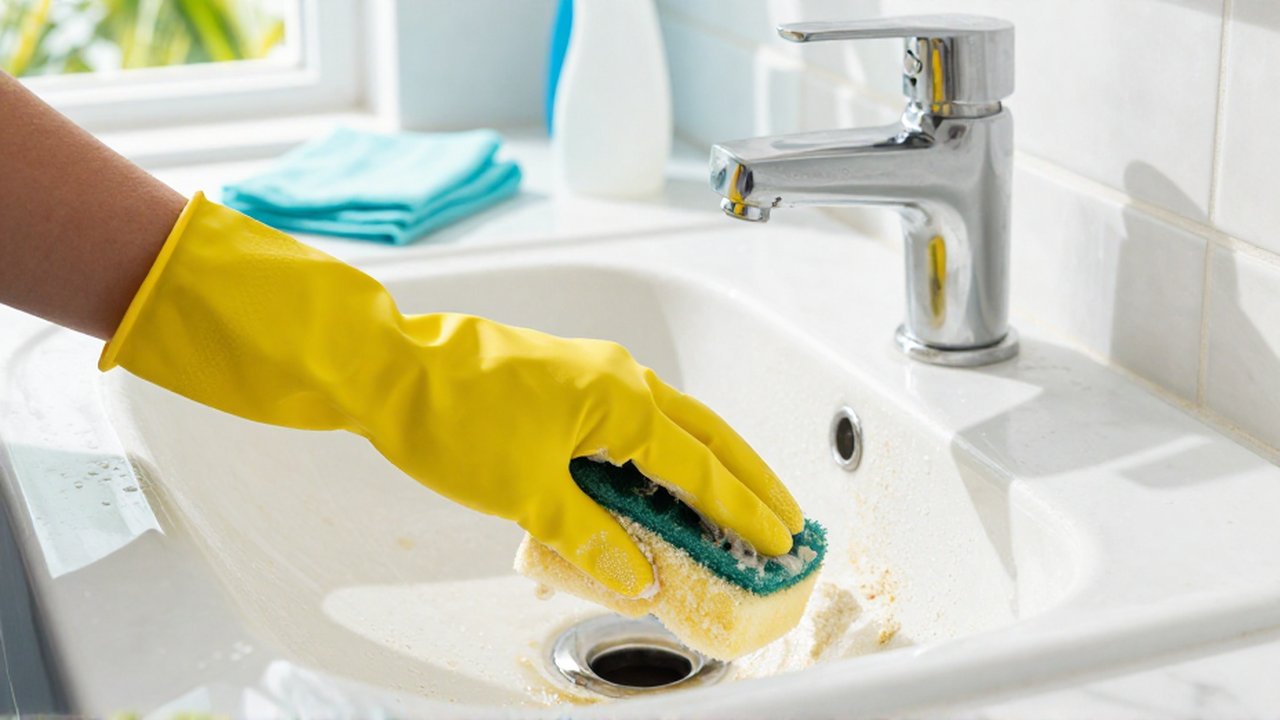
Hard water is characterized by an abundance of dissolved minerals, primarily calcium and magnesium. When water evaporates from the surface of a porcelain sink, these minerals are left behind. Over time, these tiny particles bond to the smooth finish of the porcelain, creating a crusty or sandpaper-like texture. This layer can trap dirt, soap scum, and bacteria, making the sink feel much harder to clean than usual.
In the Dominican Republic and many other tropical or coastal areas, water hardness can vary significantly depending on the source. In some cases, the minerals are relatively soft, while in others, they can form thick, calcified layers. Recognizing the difference between simple soap scum and mineral buildup is key: soap scum is usually slippery and can be wiped away with general cleaners, whereas hard water stains are gritty and often require an acidic agent to dissolve the mineral bonds.
Effective natural cleaning methods
For most household stains, you do not need harsh industrial chemicals. Because mineral buildup is alkaline in nature, an acidic solution is the most effective way to neutralize and dissolve it.
Using White Vinegar White vinegar is highly effective due to its acetic acid content. To treat a porcelain sink, soak paper towels in undiluted white vinegar and lay them directly over the stained areas. Allow the towels to sit for at least 30 to 60 minutes. This "poultice" method ensures the acid stays in contact with the stains rather than just running down the sides of the sink. After the time has elapsed, remove the towels and scrub the area with a soft sponge.
The Baking Soda and Vinegar Reaction For more stubborn, textured stains, a combination of baking soda and vinegar works well. Create a thick paste using baking soda and a small amount of water, apply it to the stain, and then spray a little vinegar over the paste. The resulting fizzing action helps physically lift the mineral deposits from the pores of the porcelain.
| Method | Best For | Intensity |
|---|---|---|
| White Vinegar Soak | Large, cloudy areas | Low/Medium |
| Baking Soda Paste | Gritty or tactile buildup | Medium |
| Citric Acid Solution | Heavy calcification | High |
Step by step cleaning process
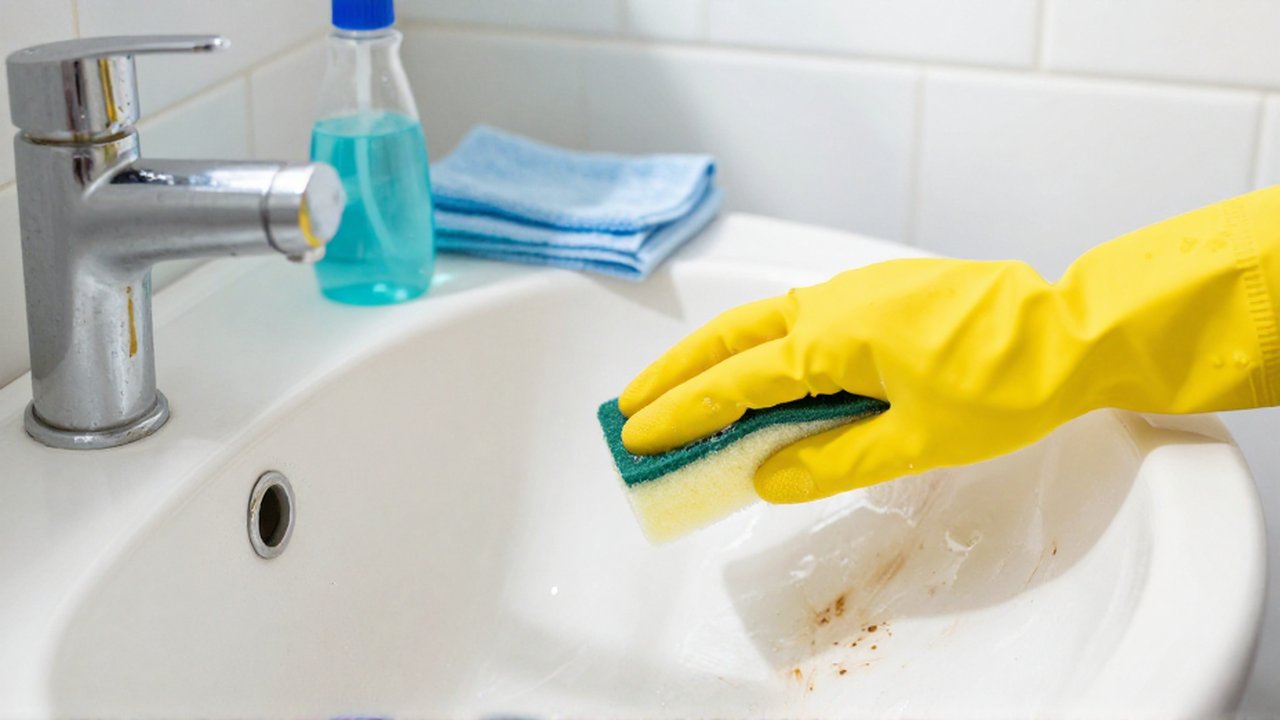
To achieve the best results without damaging the finish of your sink, follow a systematic approach:
- Clear and Clean: Remove all items from the sink and give it a quick rinse with warm water to remove loose debris.
- Apply the Acidic Agent: Use your chosen method (vinegar soak or baking soda paste) and apply it generously to the affected areas.
- Dwell Time: This is the most critical step. Do not rush. Allow the cleaning agent to sit for the recommended time to allow the chemical reaction to break down the minerals.
- Gentle Scrubbing: Use a non-abrasive sponge or a soft cloth to scrub the area. Avoid using steel wool or heavy scouring pads, as these can create microscopic scratches in the porcelain that will actually make future stains occur even faster.
- Rinse and Dry: Thoroughly rinse the sink with clean water to remove all traces of the cleaning agents. Crucially, use a dry microfiber cloth to buff the sink dry.
Common mistakes to avoid
When cleaning porcelain, it is easy to accidentally cause permanent damage if the wrong tools are used. One frequent mistake is using highly abrasive scouring powders or metal pads. While they might remove the stain quickly, they strip away the protective glaze of the porcelain, making the surface porous and prone to even faster mineral buildup.
Another mistake is using bleach to treat hard water stains. While bleach is a great disinfectant, it is not an acid and will not dissolve calcium or magnesium. Using bleach on hard water stains may actually "set" the appearance of the scale or simply fail to address the root of the problem, leaving you with a clean but still stained sink. Finally, always ensure you rinse the sink completely; leaving acidic residues like vinegar can eventually damage metal drains or gaskets if left for extended periods.
Frequently asked questions
Can I use lemon juice to clean porcelain? Yes, lemon juice is a natural acid that works similarly to vinegar. It is excellent for small, localized spots and leaves a pleasant scent, though it may be less cost-effective for large scale cleaning.
How often should I clean my sink to prevent buildup? A weekly wipe-down with a mild cleaner can prevent minerals from accumulating. If you live in a high-hardness water area, drying the sink with a cloth after each use is the most effective way to prevent stains entirely.
Will these methods work on cracked porcelain? If the porcelain is cracked, you should be more cautious. Avoid letting acidic solutions sit in the cracks for long periods, as the acid can seep into the underlying material. Focus on the surface and rinse thoroughly.
Why does my sink get dirty so quickly after cleaning? If stains reappear almost immediately, it is likely because the surface has become porous due to past abrasive cleaning. Once the glaze is compromised, minerals bond more deeply and quickly to the surface.
Leave a Reply