
Benefits of using accent walls in modern homes
Introduction
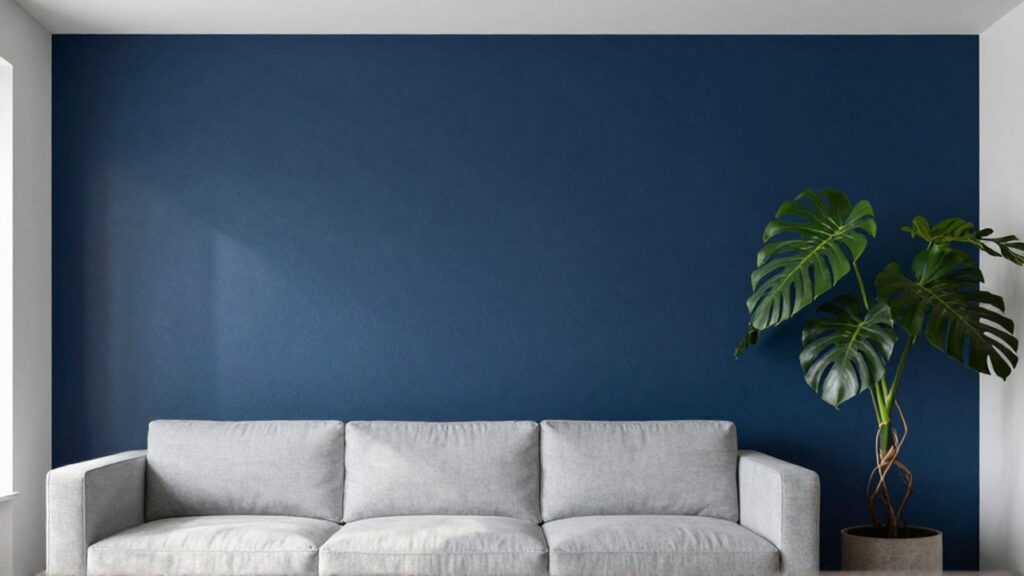
An accent wall is a single wall in a room that is painted, wallpapered, or textured differently from the remaining walls. In modern interior design, this technique serves as a powerful tool to break the monotony of large, uniform spaces and to provide a visual anchor for the room. By focusing attention on a specific area, homeowners can direct the flow of movement and define the purpose of different zones within an open-concept living environment.
Implementing an accent wall is appropriate whenever a space feels too clinical, lacks character, or requires a clearer sense of structure. It matters because it allows for high-impact design changes without the need for a full renovation or a massive budget. Whether through the use of bold colors, architectural wood paneling, or textured stone, an accent wall acts as a focal point that ties the entire aesthetic of a room together.
Creating a visual focal point
The primary function of an accent wall is to act as the centerpiece of a room. In modern homes, where layouts are often minimalist and open, a single wall can serve as the "anchor" that prevents the space from feeling empty or uninspired. When you enter a room, your eyes naturally gravitate toward the point of highest contrast, which is exactly what a well-executed accent wall provides.
In a living room, for example, an accent wall behind the sofa or a media console can draw the eye toward a specific seating area. In a bedroom, placing the accent wall behind the headboard establishes a clear sense of hierarchy and importance. This directed attention helps organize the room's visual weight, making the space feel intentional rather than accidental.
Adding depth and dimension to spaces
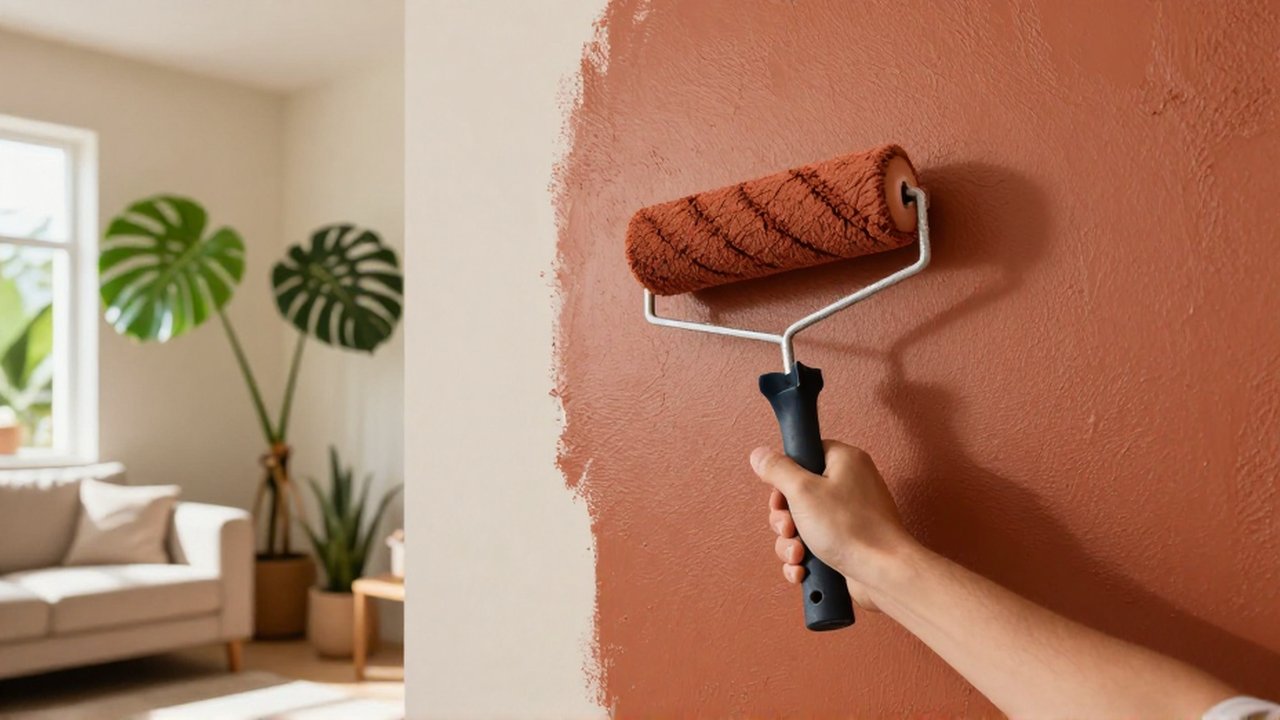
Modern design often utilizes clean lines and smooth surfaces, which can occasionally result in a space feeling flat. An accent wall introduces much-needed depth through various textures and materials. Instead of relying solely on color, homeowners can use physical elements to create a three-dimensional effect that changes as light moves through the room.
Common methods for adding dimension include:
- Wood Slats or Paneling: Adding vertical or horizontal lines can make ceilings appear higher or rooms feel wider.
- Textured Wallpaper: Materials that mimic grasscloth, linen, or stone add tactile interest.
- Stone or Brick Veneer: Natural materials provide a rugged, organic contrast to smooth drywall.
- Molding and Trim: Geometric patterns created with carpentry can add a sophisticated, classic layer to a modern layout.
Defining zones in open concept layouts
As modern architecture shifts toward wider, interconnected living areas, the lines between the kitchen, dining, and living rooms often disappear. This can lead to a sense of spatial chaos where it is difficult to distinguish where one functional area ends and another begins. Accent walls serve as subtle, non-structural dividers that help define these zones.
By applying a different color or texture to the wall behind a dining table, you create an "implied room." This technique provides a sense of intimacy and separation without the need for bulky furniture or permanent walls that would block light and airflow. It is a highly efficient way to manage psychological boundaries within a large, single-volume space.
Enhancing color and personality
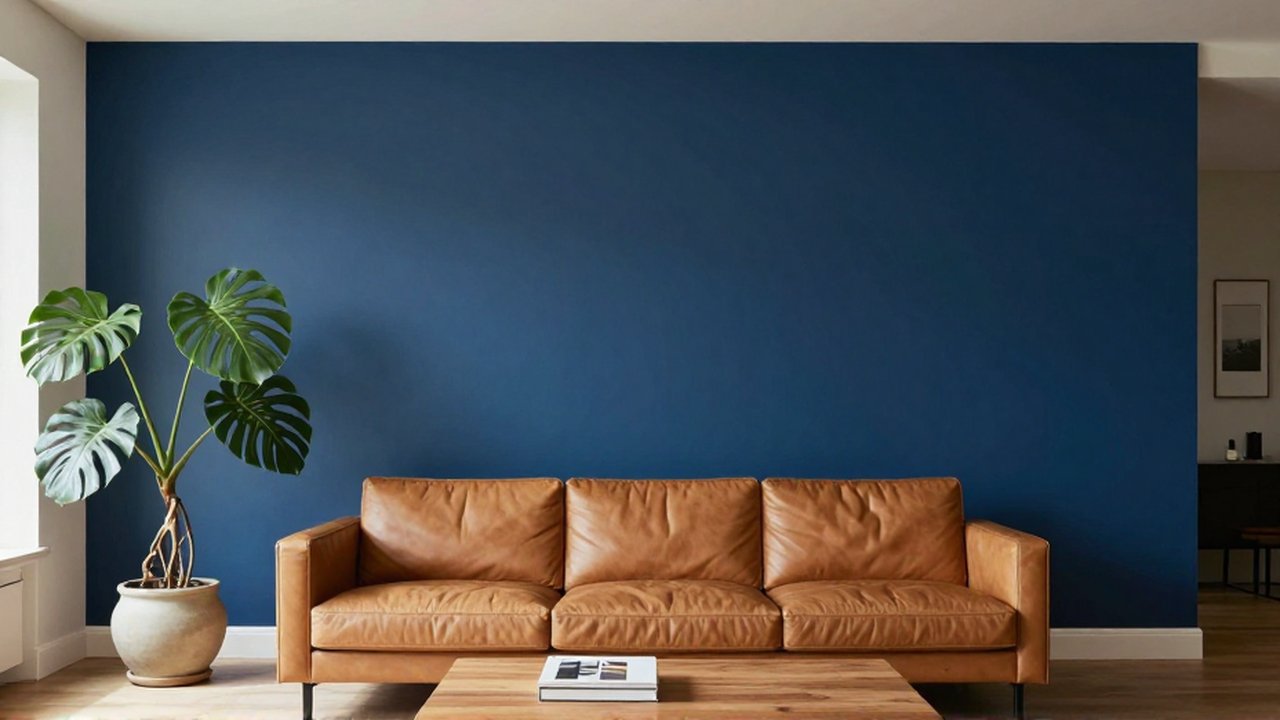
An accent wall offers a low-risk opportunity to experiment with bold colors and patterns that might feel overwhelming if applied to every wall in the house. For many, a room painted entirely in navy blue or emerald green can feel closing in or overly dark. However, using these shades on a single wall allows the homeowner to enjoy the mood and sophistication of the color while maintaining the brightness and balance provided by lighter surrounding walls.
This approach also allows for greater personalization. You can use the accent wall to express a specific stylistic preference—such as tropical motifs, industrial concrete looks, or mid-century modern geometric shapes—without committing the entire home to a single theme. It provides a localized burst of personality that can be updated easily as trends or personal tastes evolve.
Essential design considerations and common mistakes
While accent walls are highly effective, they require careful planning to avoid looking disjointed or poorly executed. To achieve a professional result, consider the following criteria:
| Consideration | Best Practice |
|---|---|
| Wall Selection | Choose a wall that is naturally emphasized by architecture or furniture placement. |
| Color Balance | Ensure the accent color complements the existing flooring, furniture, and lighting. |
| Scale and Proportion | A small room may be overwhelmed by a heavy texture, whereas a large room might need a high-contrast color. |
| Lighting | Account for how shadows will interact with textured walls or how glare will hit glossy finishes. |
A frequent mistake is choosing an accent wall that competes with too many other elements in the room. If you have a busy patterned rug, a gallery wall with many frames, and a bold accent wall, the resulting visual noise can become distracting. The goal is to have one primary star in the room; if everything is shouting for attention, nothing stands out.
Frequently asked questions
Which wall should I choose as an accent wall? The best wall is usually the one that is naturally the focal point, such as the wall behind a bed, a fireplace, or a television. It should be the wall that the eye naturally lands on when entering the room.
Can I have more than one accent wall in a room? While it is possible, it is generally not recommended for most modern designs. Too many accent walls can make a room feel fragmented and visually overwhelming. It is best to stick to one main wall to maintain a sense of balance.
Will an accent wall make a small room look smaller? It depends on the color choice. Dark, receding colors can create depth but may make a room feel more intimate. Conversely, light-colored textures or patterns can actually make a small room feel more expansive and interesting.
Leave a Reply