
Sunday meal prep routines for Dominican household cooking
Introduction
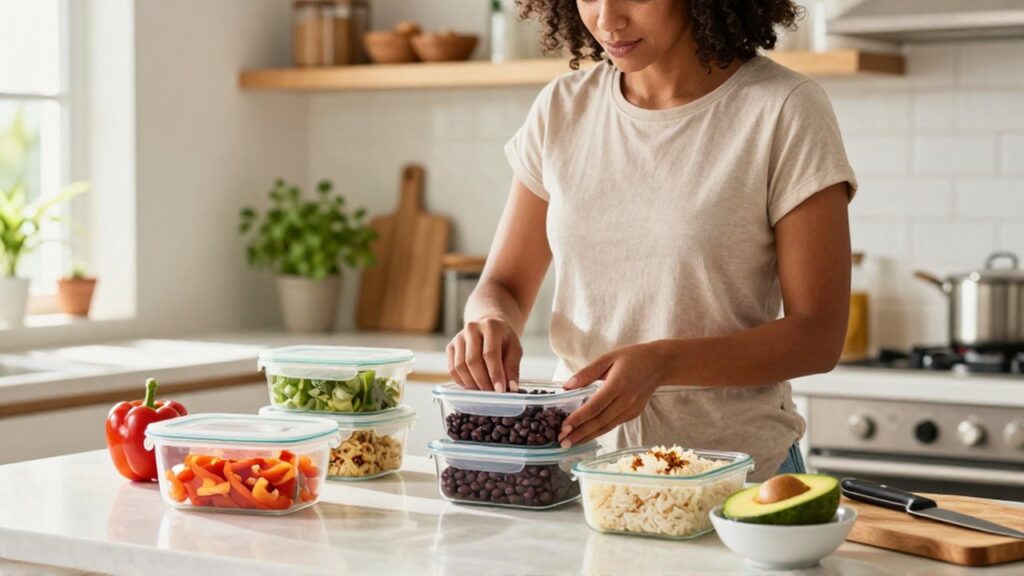
Meal prepping for a Dominican household involves more than just portioning out food; it is about managing the complex, flavor-rich components that form the foundation of our traditional dishes. By dedicating a few hours on Sunday to preparing essential bases like sofrito, cleaning proteins, and boiling staples, you can significantly reduce daily cooking time during the busy work week. This routine ensures that you always have the building blocks ready for a quick locrio, a fresh ensalada, or a hearty guiso.
Implementing a structured Sunday routine helps maintain nutritional balance and reduces the temptation to rely on processed foods or expensive takeout. In a tropical climate, organized meal prep also plays a crucial role in food safety and waste reduction. When ingredients are cleaned, chopped, and stored correctly, they stay fresh longer, allowing the household to enjoy authentic flavors without the stress of starting from scratch every single evening.
Essential components for Dominican meal prep

To make Dominican cooking efficient, you must focus on the "building blocks" rather than trying to cook entire complete meals in advance. Traditional recipes often require multiple steps that are time-consuming, such as peeling tubers or making seasonings from scratch. Instead, use your Sunday session to prepare the following core elements:
The Sofrito Base The soul of Dominican cuisine is the sofrito. Rather than chopping onions, garlic, ajíes dulces, and cilantro every day, blend or finely chop a large batch. Store this in airtight containers or even in ice cube trays in the freezer. This allows you to drop a flavor bomb directly into the pot when making beans, stews, or rice.
Starch and Legume Preparation Dominican meals rely heavily on tubers and legumes. You can save time by:
- Boiling tubers: Pre-boiling plantains (plátanos), yuca, or sweet potatoes (batata) allows you to quickly fry them or toss them into a stew during the week.
- Cooking beans: Preparing a large pot of red or black beans is a staple. Once cooled, these can be used for habichuelas guisadas or kept plain to be seasoned fresh when needed.
Protein Management Cleaning and seasoning meats is a vital step. You can marinate chicken, beef, or pork in citrus (limón or naranja agria) and spices on Sunday. Dividing these into single-meal portions in freezer bags makes the weekday transition seamless.
Step by step Sunday routine
A successful routine requires a logical workflow to avoid spending the entire day in the kitchen. Follow this sequence to maximize efficiency:
- Inventory and Planning: Before shopping or cooking, check your pantry for staples like rice, oil, and spices. Plan your menu based on the proteins and vegetables you have available.
- Cleaning and Chopping: Start with the most labor-intensive task: washing and chopping vegetables. This is the time to prepare your bulk sofrito and slice any vegetables meant for salads or stews.
- Long-cook Items: While you are chopping, put the beans or large cuts of meat on the stove. These items take the longest to cook and can simmer in the background.
- Portioning and Cooling: Never place hot food directly into the refrigerator. Allow your stews, beans, or boiled tubers to reach room temperature. Once cooled, portion them into airtight containers.
- Sanitization: End the session by thoroughly cleaning your workspace and tools. In a humid environment, leaving food scraps or damp cloths can lead to unwanted odors or pests.
Organization and storage tips for tropical climates

Proper storage is the most critical factor in ensuring your meal prep remains safe and appetizing. The Dominican Republic's humidity and heat can accelerate food spoilage if precautions are not taken.
| Item Type | Best Storage Method | Estimated Shelf Life |
|---|---|---|
| Sofrito | Airtight glass jar (fridge) or freezer trays | 1 week (fridge) / 3 months (freezer) |
| Cooked Beans | Airtight containers in the coldest part of the fridge | 4–5 days |
| Boiled Tubers | Sealed containers (must be fully cooled) | 3–4 days |
| Marinated Meats | Vacuum sealed or heavy-duty freezer bags | 2–3 months (freezer) |
| Chopped Veggies | Paper towels inside containers to absorb moisture | 4–5 days |
To prevent sogginess in vegetables, use paper towels at the bottom of your storage containers to absorb excess moisture. For cooked starches like rice or plantains, ensure they are stored in heavy-duty containers that prevent air from entering, which keeps them from drying out or absorbing fridge odors.
Common mistakes to avoid
One frequent error is over-preparing cooked meals that do not reheat well. For example, reheating certain fried items or delicate vegetables can result in a mushy texture. Stick to prepping ingredients that are meant to be "assembled" or reheated robustly, such as stews and grains.
Another mistake is failing to account for humidity. If you store ingredients in containers that are not properly sealed, moisture from the air can cause mold to grow much faster than expected. Always ensure your seals are tight and your refrigerator is set to a consistent, cool temperature. Finally, avoid "pre-cooking" everything to the point where you are just microwaving leftovers; the goal of a Dominican meal prep should be to make cooking faster, not just heating faster, to preserve the quality of the food.
Frequently asked questions
Can I freeze homemade sofrito without losing flavor? Yes, freezing is actually one of the best ways to preserve the flavor of ajíes dulces and herbs. Using silicone ice cube trays allows you to pop out exactly the amount you need for a single recipe.
How long can cooked beans last in the refrigerator? Under optimal conditions in a clean, airtight container, cooked beans typically remain safe and tasty for about four to five days. If you have cooked a larger batch, consider freezing half.
Is it better to prep boiled plantains on Sunday? If you plan to eat them within two or three days, boiling them on Sunday is very efficient. However, if you want them to be crispy when fried, it is better to boil them slightly underdone and fry them fresh during the week.
How can I prevent my meal prep from smelling like the fridge? Use glass containers instead of plastic whenever possible, as glass is non-porous and does not absorb food odors. Additionally, ensure all containers are completely airtight.
Leave a Reply