
How to create an efficient home office organization system

Introduction
Creating an efficient home office organization system is essential for maintaining productivity and mental clarity while working from home. A well-structured workspace minimizes distractions, reduces the time spent searching for essential items, and helps establish a clear psychological boundary between professional tasks and personal life. When your environment is cluttered, your cognitive load increases, often leading to procrastination and decreased focus.
Setting up a functional system is appropriate for anyone transitioning to remote work or anyone looking to optimize an existing workspace. Whether you have a dedicated room or a small corner in a living area, implementing organized workflows and physical storage solutions ensures that your tools are always within reach and your mind remains focused on the task at hand.
Analyze your current workspace requirements
Before purchasing bins or new furniture, you must evaluate how you actually work. An efficient system is built on personal habits rather than aesthetic trends. Start by observing your daily routine to identify which items are used constantly and which are only needed occasionally.
Frequent items, such as a laptop, a notepad, or a specific pen, should be located within the "primary reach zone"—the area you can access without leaning forward or standing up. Items used once a week, like reference books or staplers, can be placed in drawers or on nearby shelves. Items used monthly, such as tax documents or extra printer ink, belong in higher cabinets or separate storage units. Categorizing your tools this way prevents your desktop from becoming a dumping ground for items that do not require immediate access.
Implement effective physical storage solutions
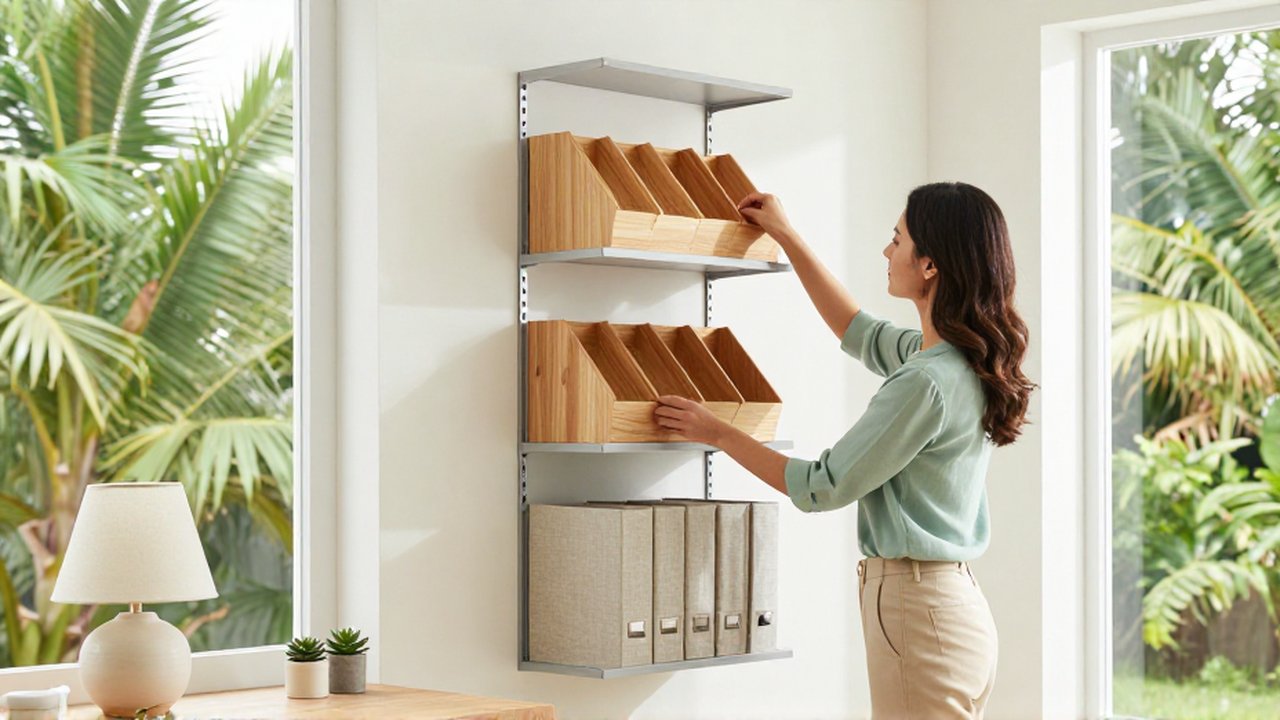
The physical structure of your office dictates how easily it can be maintained. To prevent clutter from accumulating, use a tiered storage approach that utilizes vertical space and maximizes desktop real estate.
- Vertical Storage: Use wall-mounted shelves, pegboards, or file organizers to lift items off your desk. This keeps the surface clear for active work.
- Drawer Dividers: If your desk has drawers, use trays or dividers to separate small items like paperclips, USB drives, and charging cables. This prevents the "junk drawer" effect.
- Cable Management: Tangled wires are a major source of visual clutter. Use cable sleeves, clips, or under-desk trays to route power cords and data cables neatly.
- Mobile Storage: If you work in a multi-purpose room, a rolling cart can serve as a mobile office that can be tucked away at the end of the day.
Establish digital and paper management workflows
A home office organization system is incomplete if it only addresses physical objects. In the modern era, digital clutter can be just as disruptive as a messy desk. You must create a dual approach that manages both your physical paperwork and your digital files.
For physical papers, adopt a "touch it once" rule. When a document arrives, immediately decide if it needs to be filed, acted upon, or shredded. Use a simple filing system with clear labels. For digital organization, maintain a consistent naming convention for all files and folders. This ensures that you can find documents through search functions without having to manually browse through dozens of disorganized folders. Regularly clearing your "Downloads" folder and your desktop screen will significantly reduce digital fatigue.
Maintain the system through routine habits
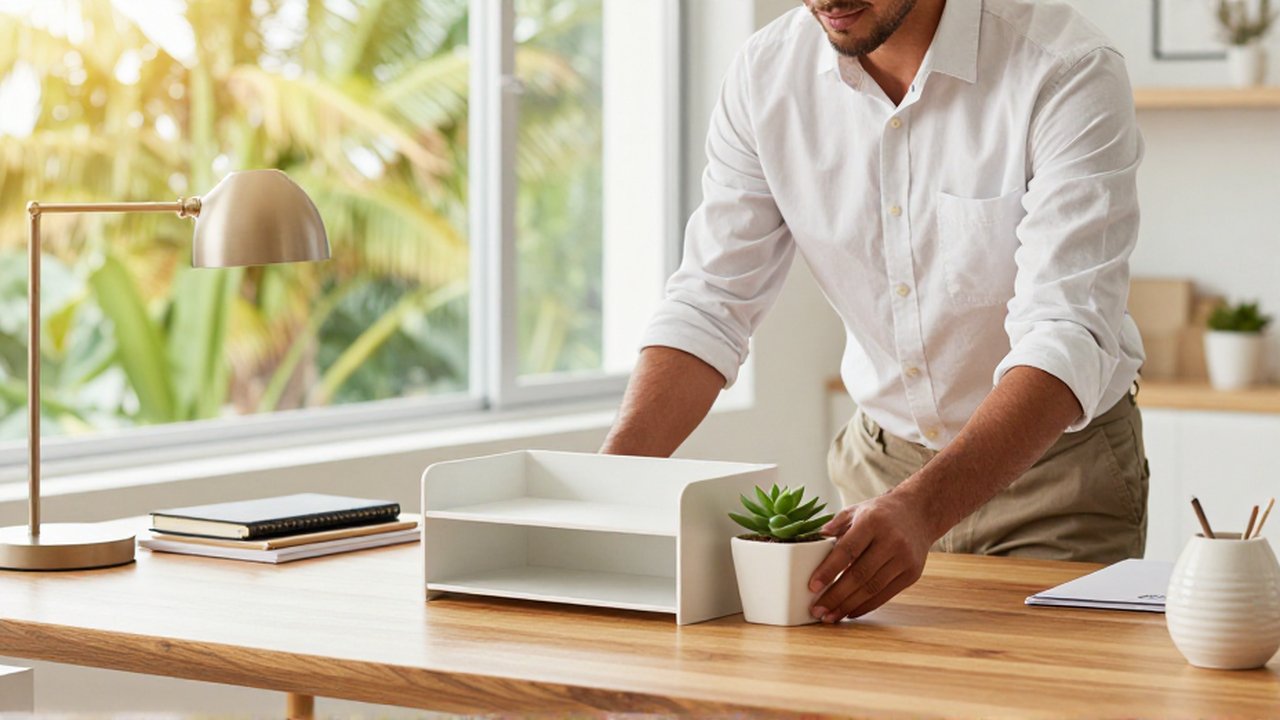
The greatest risk to an organization system is the gradual accumulation of "micro-clutter." Without a maintenance plan, even the most sophisticated shelving unit will eventually become disorganized. Consistency is more important than perfection.
| Routine | Frequency | Action |
|---|---|---|
| Daily Reset | End of workday | Clear the desk surface, file loose papers, and shut down electronics. |
| Weekly Review | Every Friday | Purge unnecessary notes, organize digital files, and replenish supplies. |
| Monthly Audit | Once a month | Deep clean the hardware, check cable connections, and re-evaluate storage needs. |
A daily reset is perhaps the most critical habit. By spending five to ten minutes tidying your workspace at the end of each day, you ensure that you start the next morning with a "clean slate," which reduces the friction of starting new tasks.
Common mistakes to avoid
One frequent mistake is over-organizing, which involves buying too many specialized containers before understanding your actual needs. This often leads to wasted money and a workspace filled with empty plastic bins. Another mistake is focusing solely on aesthetics. While a beautiful office is pleasant, an organized office must be functional; if you have to move five items to reach your keyboard, the system has failed. Finally, do not underestimate the importance of lighting and ergonomics. An organized desk is of little use if the workstation causes physical strain or eye fatigue.
Frequently asked questions
How can I organize a home office in a very small space? Focus on verticality and multi-purpose furniture. Use wall-mounted organizers to keep the desk clear and consider furniture that can be folded or moved easily to reclaim the space once work hours are over.
What is the best way to manage many cables? Use cable management boxes to hide power strips and use Velcro ties or cable sleeves to group wires together. Keeping cables off the floor and tucked behind furniture significantly improves the visual organization.
How often should I declutter my office? A monthly deep declutter is recommended to remove items that are no longer useful, such as dried-out pens or outdated documents. However, a quick daily tidy is necessary to keep the system functioning effectively.
Leave a Reply