
How to maintain food freshness in a Dominican pantry
Introduction
Maintaining a well-stocked pantry in the Dominican Republic presents unique challenges due to the tropical climate. High temperatures and intense humidity levels can quickly degrade dry goods, leading to spoilage, mold, or pest infestations. Proper pantry management is essential not only to save money by reducing food waste but also to ensure the safety and nutritional quality of the ingredients used in daily cooking.
Understanding how to protect staples like rice, beans, flour, and spices is crucial for any household. When you implement the right storage strategies, you extend the shelf life of your products and prevent the common issues associated with tropical environments. This guide provides practical methods to organize and protect your food supplies against the elements.
Impact of tropical climate on food storage

The Dominican climate is characterized by high heat and fluctuating humidity, which are the two primary enemies of pantry longevity. Heat accelerates the oxidation of fats in nuts, oils, and crackers, leading to rancidity. Meanwhile, humidity acts as a magnet for moisture, which can cause powders like sugar or flour to clump and, more dangerously, encourage the growth of mold in grains and dried legumes.
To combat these conditions, the pantry must be treated as a controlled environment. Storing food in areas with poor airflow or near heat-emitting appliances, such as stoves or refrigerators, will significantly shorten the lifespan of your supplies. The goal is to create a barrier between your ingredients and the ambient moisture of the island.
Best practices for dry goods protection
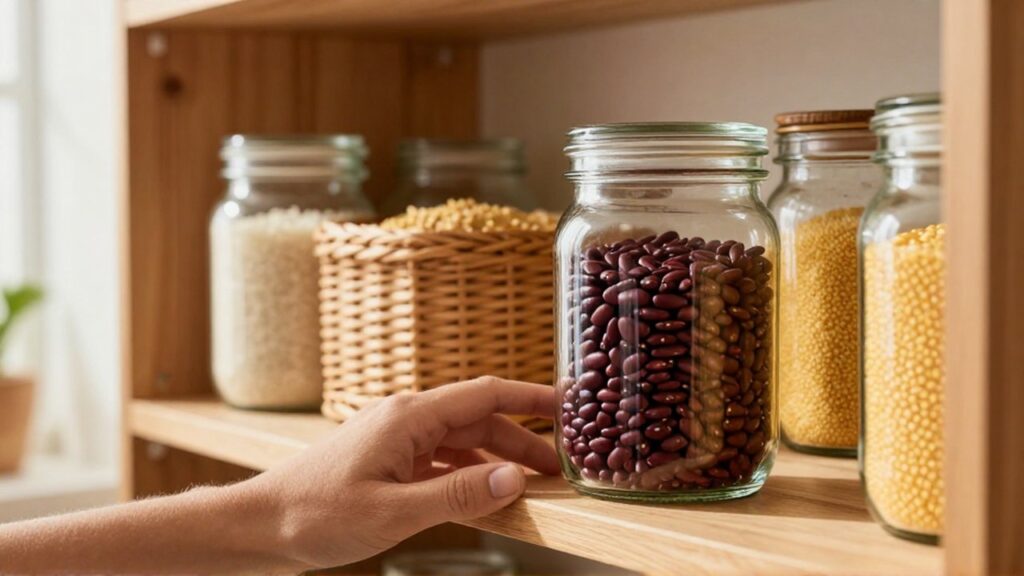
The most effective way to maintain freshness is to move items from their original cardboard or paper packaging into airtight containers. While opaque bags are fine for short-term use, long-term storage requires better protection.
- Glass or high-quality plastic containers: Use containers with silicone seals to ensure no moisture enters the vessel.
- Airtight sealing: For items like coffee, flour, and cereals, an airtight seal prevents both moisture absorption and the entry of pantry pests.
- Labeling and dating: Always mark containers with the date the product was opened or the expiration date to ensure the "First In, First Out" (FIFO) method is practiced.
For staples like rice and dried beans, which are consumed frequently in Dominican households, using large, thick-walled plastic or glass canisters is recommended. These materials provide a much stronger barrier against the humidity that can penetrate thin plastic bags.
Strategic pantry organization and placement
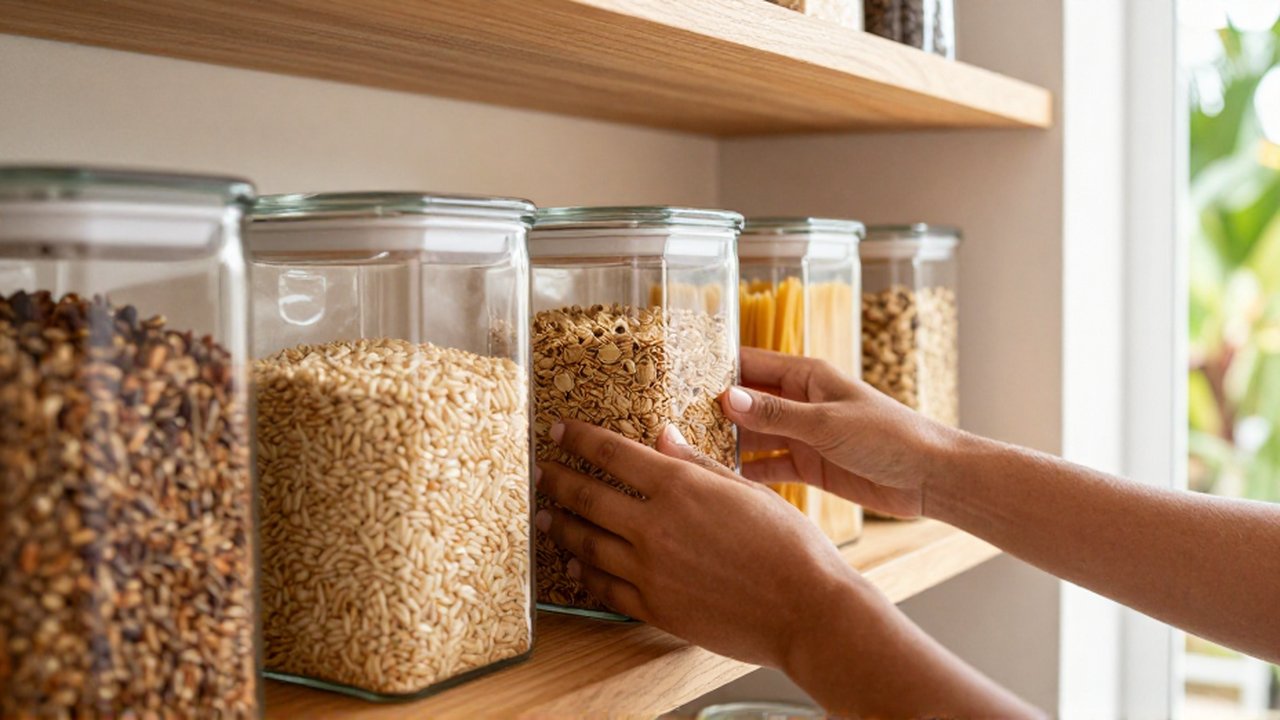
Where you place your food is just as important as how you seal it. A successful pantry setup considers both temperature regulation and accessibility.
| Storage Location | Recommended Items | Why it works |
|---|---|---|
| Cool, dark shelves | Grains, pasta, canned goods | Minimizes heat exposure and light degradation. |
| Airtight bins on floor level | Large bags of rice or beans | Provides stability for heavy items in sealed containers. |
| Upper, ventilated shelves | Spices, dried herbs, tea | Keeps light-sensitive items away from heat and allows airflow. |
Avoid placing your pantry in a corner that receives direct sunlight through a window, as solar heat can raise the internal temperature of containers. Additionally, ensure there is enough space between containers to allow air to circulate; a cramped pantry can trap pockets of humid air, increasing the risk of spoilage.
Preventing pests and contamination
In tropical regions, pantry pests like weevils or ants can become a problem if even a small amount of moisture or an unsealed bag is present. Prevention is more effective than treatment.
Regular cleaning is the first line of defense. Wipe down shelves with a dry cloth regularly to remove dust and fine grains that might fall from open packages. Avoid keeping "open" bags tied with strings or clips; these are often insufficient to stop insects or moisture. Instead, transfer these items to hard-sided containers immediately upon opening.
If you notice signs of infestation, such as small insects in your flour or rice, you must discard the affected items immediately and thoroughly clean the entire pantry area to prevent the problem from spreading to your healthy stock.
Frequently asked questions
Can I store food in the pantry if my house is very humid? Yes, but you must use airtight glass or high-quality plastic containers with rubber seals. Avoid keeping items in their original paper or thin plastic packaging, as these do not provide a sufficient moisture barrier.
Does light affect the freshness of pantry items? Yes. Light, especially sunlight, can degrade the quality of spices, oils, and certain grains. Storing these items in opaque containers or in a dark, windowless pantry area helps maintain their flavor and nutritional value.
How often should I reorganize my pantry? It is recommended to do a thorough check and reorganization at least once a month. This allows you to check for expired items, inspect for pests, and ensure that you are rotating your stock correctly using the FIFO method.
Is it safe to store spices in the kitchen near the stove? It is not ideal. The heat and steam from cooking can cause spices to lose their potency and absorb moisture. It is better to store spices in a cooler, more ventilated part of the pantry.
Leave a Reply