
Effective ways to arrange a balcony or terrace

Introduction
A balcony or terrace serves as a vital extension of the living space, offering a private sanctuary to enjoy the outdoors, fresh air, and scenic views. Arranging these areas effectively allows homeowners to transform a potentially cramped or overlooked ledge into a functional retreat for relaxation, dining, or social gatherings. Whether you have a narrow apartment balcony or an expansive terrace, thoughtful layout planning is essential to maximize every square inch of available space.
Properly organizing an outdoor space matters because it dictates how you will actually use the area. A poorly planned balcony can feel cluttered and uninviting, while a well-structured one can feel much larger than its physical dimensions. By focusing on flow, furniture scale, and multi-functional elements, you can create a versatile environment that enhances your home's overall comfort and aesthetic appeal.
Define the primary purpose of the space
Before purchasing any furniture or decor, you must decide how the area will be used most frequently. Attempting to make a small balcony serve as a dining room, a workout zone, and a garden all at once often leads to overcrowding and chaos. Defining a single primary function—or a maximum of two compatible functions—is the first step toward a successful arrangement.
If your goal is relaxation, focus on comfort. This means prioritizing lounge chairs, soft cushions, and perhaps a small side table for drinks. If the intent is to host small gatherings or enjoy morning coffee, a bistro set or a compact dining table becomes the focal point. For those living in urban environments where greenery is scarce, a terrace might be viewed primarily as an urban garden, requiring more floor space for planters and less for seating.
Choose furniture based on scale and movement
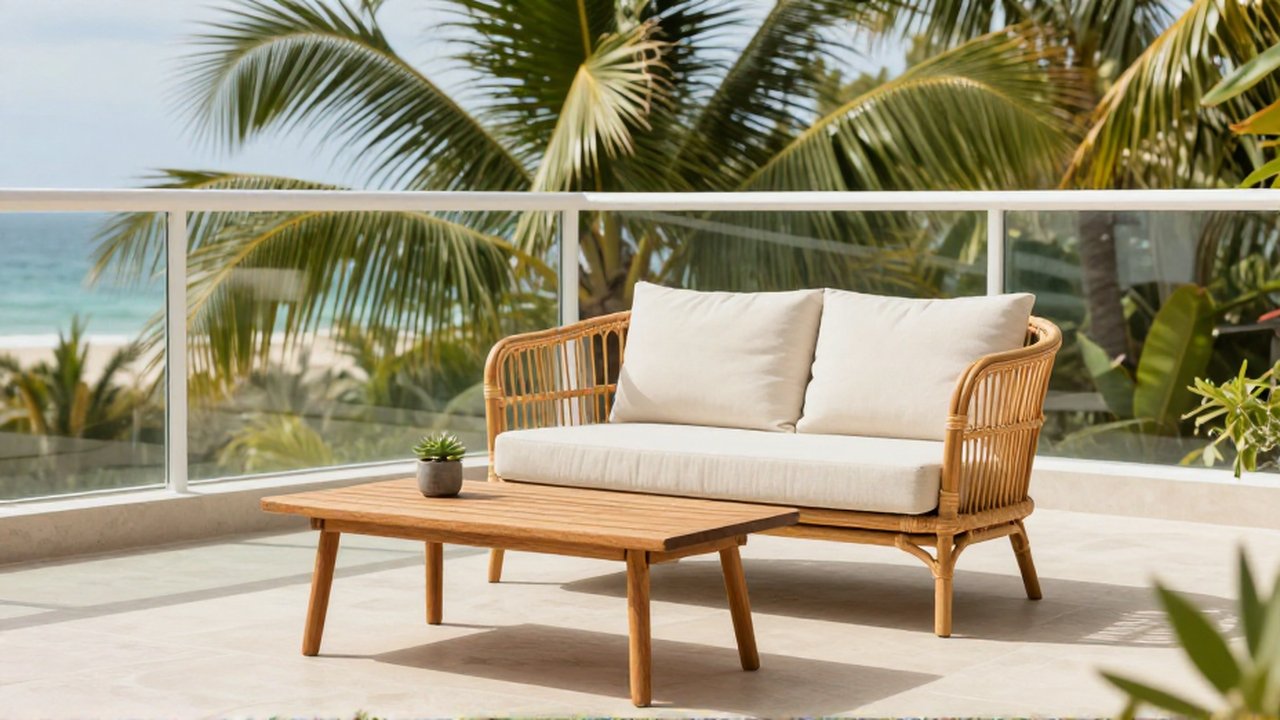
The biggest mistake in arranging small outdoor spaces is selecting furniture that is too large for the footprint. Overly bulky pieces obstruct movement and make the area feel claustrophobic. Instead, look for "small-scale" or "apartment-sized" furniture that provides functionality without physical heaviness.
Consider the following furniture strategies:
- Folding furniture: Bistro sets that can be folded and leaned against a wall when not in use are ideal for very narrow balconies.
- Built-in seating: Using corner benches or built-in planters with wooden tops can save significant floor space compared to individual chairs.
- Transparent or slim materials: Furniture made of wrought iron, slim metal frames, or even acrylic can provide visual lightness, making the space feel more open.
- Vertical storage: Instead of wide cabinets, use wall-mounted shelves or vertical plant stands to keep the floor clear.
Always maintain a clear "traffic path." Even in a small space, you should be able to move from the door to the seating area without stumbling over objects. Leaving at least 18 to 24 inches of walking space is a good rule of thumb for narrow areas.
Optimize greenery and vertical elements
In many homes, a balcony or terrace is the only connection to nature. Integrating plants can soften the hard lines of architecture and create a sense of privacy. However, placing too many large pots on the floor can quickly eat up your walking space.
To arrange plants effectively, think vertically. Use railing planters that hang over the edge to save floor space, or install trellis systems on the walls to grow climbing vines. This creates a "living wall" effect that provides privacy from neighbors without consuming any of the usable floor area. When selecting plants, consider the sun exposure of your specific location; placing sun-loving plants in the shade or vice versa will lead to maintenance frustrations.
Create atmosphere with lighting and textiles
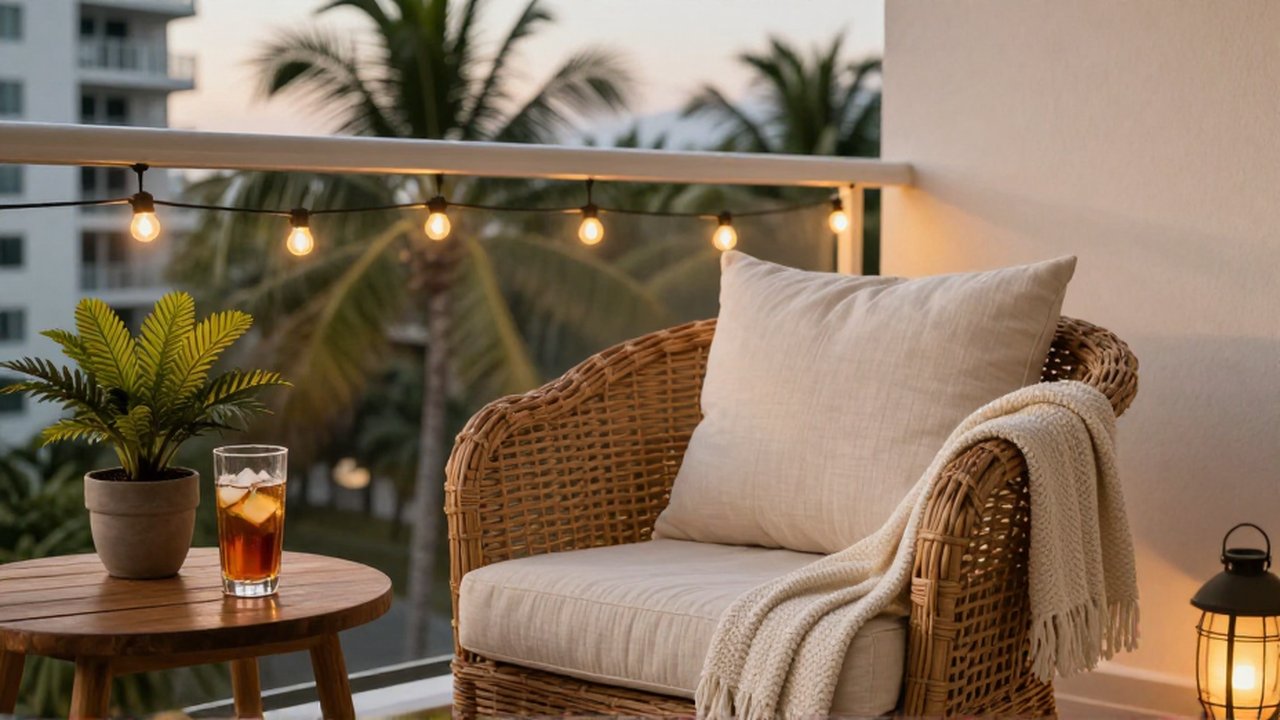
The final layer of arrangement involves the sensory elements that turn a functional space into an inviting one. Lighting is crucial for extending the usability of your terrace into the evening hours. Avoid single, harsh overhead lights; instead, use layered lighting such as string lights, solar-powered lanterns, or small LED table lamps to create a warm, diffused glow.
Textiles like outdoor rugs and weather-resistant pillows add comfort and define specific "zones." An outdoor rug can act as an anchor, visually separating the seating area from the rest of the terrace. When choosing fabrics, ensure they are specifically rated for outdoor use to prevent fading from UV rays and damage from humidity or rain.
Common mistakes to avoid
To ensure your arrangement remains effective and durable, avoid these frequent pitfalls:
| Mistake | Consequence | Better Approach |
|---|---|---|
| Overcrowding | Limited movement and a cramped feeling | Prioritize a few high-quality, appropriately scaled pieces. |
| Ignoring Weather | Rapid deterioration of furniture and decor | Invest in weather-resistant materials or breathable covers. |
| Neglecting Weight Limits | Potential structural safety risks | Check balcony load capacities before adding heavy planters or stone features. |
| Clashing Scales | Makes the space look disorganized | Match the proportions of the furniture to the dimensions of the area. |
Frequently asked questions
How can I make a very narrow balcony feel wider? Use long, narrow rugs to draw the eye along the length of the space, and choose furniture with slim legs rather than solid bases. Avoid placing large objects in the center; instead, keep the middle clear to facilitate movement.
What is the best way to store items on a small terrace? Utilize multi-functional furniture, such as storage benches that can serve as both seating and a place to hide gardening tools or cushions. Vertical wall organizers are also highly effective.
How do I protect my arrangement from high humidity? Select materials that are naturally resistant to moisture, such as treated wood, resin, aluminum, or high-quality synthetic wicker. Avoid untreated fabrics and cheap metals that are prone to rust and mold.
Can I use indoor furniture on a terrace? While possible, it is not recommended for long-term use. Indoor furniture is typically not treated for UV exposure or moisture, meaning it will fade, warp, or crack much faster than outdoor-rated pieces.
Leave a Reply