
How to mix modern and traditional Dominican decor
Introduction
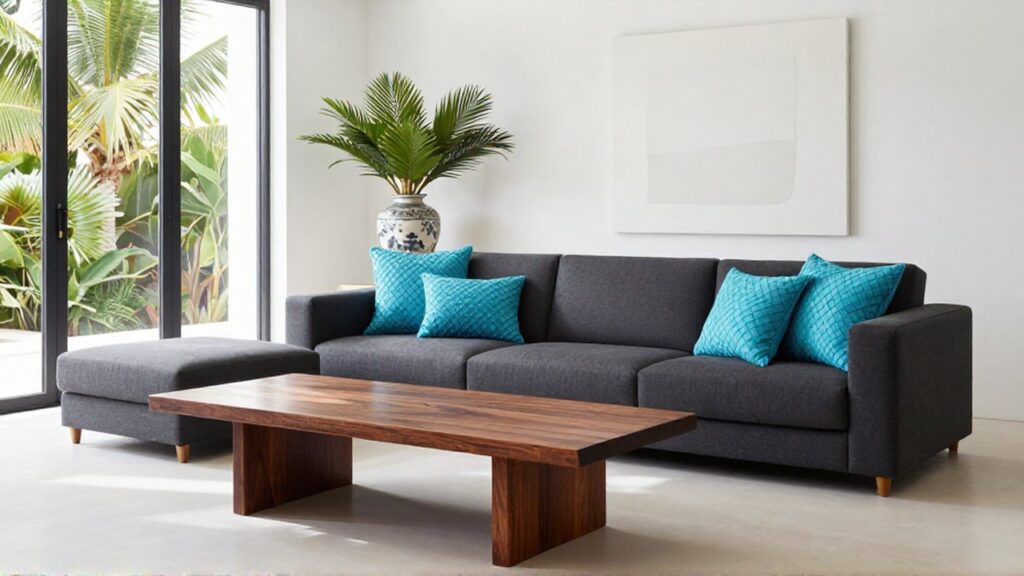
Mixing modern and traditional Dominican decor allows homeowners to create a living space that feels both sophisticated and deeply connected to cultural heritage. This design approach is ideal for those who want to enjoy the sleek aesthetics of contemporary living without losing the warmth and soul that define Dominican identity. By blending these two contrasting styles, you can transform a house into a home that tells a story, balancing minimalist functions with vibrant, historical textures.
Achieving this balance is particularly relevant in the Dominican Republic, where colonial architecture and tropical environments influence our sense of space. Whether you are renovating a modern apartment in Santo Domingo or updating a traditional villa, understanding how to marry clean lines with artisanal details is essential for a cohesive result. This guide provides practical strategies to help you navigate the textures, colors, and materials required to master this fusion.
Defining the core elements of Dominican style
To successfully mix styles, you must first identify what constitutes "traditional" Dominican decor. Traditionally, Dominican interiors rely heavily on natural materials such as mahogany, cedar, and rattan. These are often paired with artisanal crafts like hand-woven baskets, ceramics, and intricate woodwork. Color palettes in traditional settings tend to be warm, utilizing earth tones or bold, tropical hues that reflect the island's flora and fauna.
Modern decor, in contrast, is characterized by simplicity, functionality, and a "less is more" philosophy. It favors neutral color palettes—whites, greys, and blacks—alongside streamlined furniture and industrial materials like glass, steel, and polished concrete. The goal of mixing these styles is not to create a museum of old objects, but to use traditional pieces as "soulful" accents within a contemporary framework.
Creating a balanced color palette
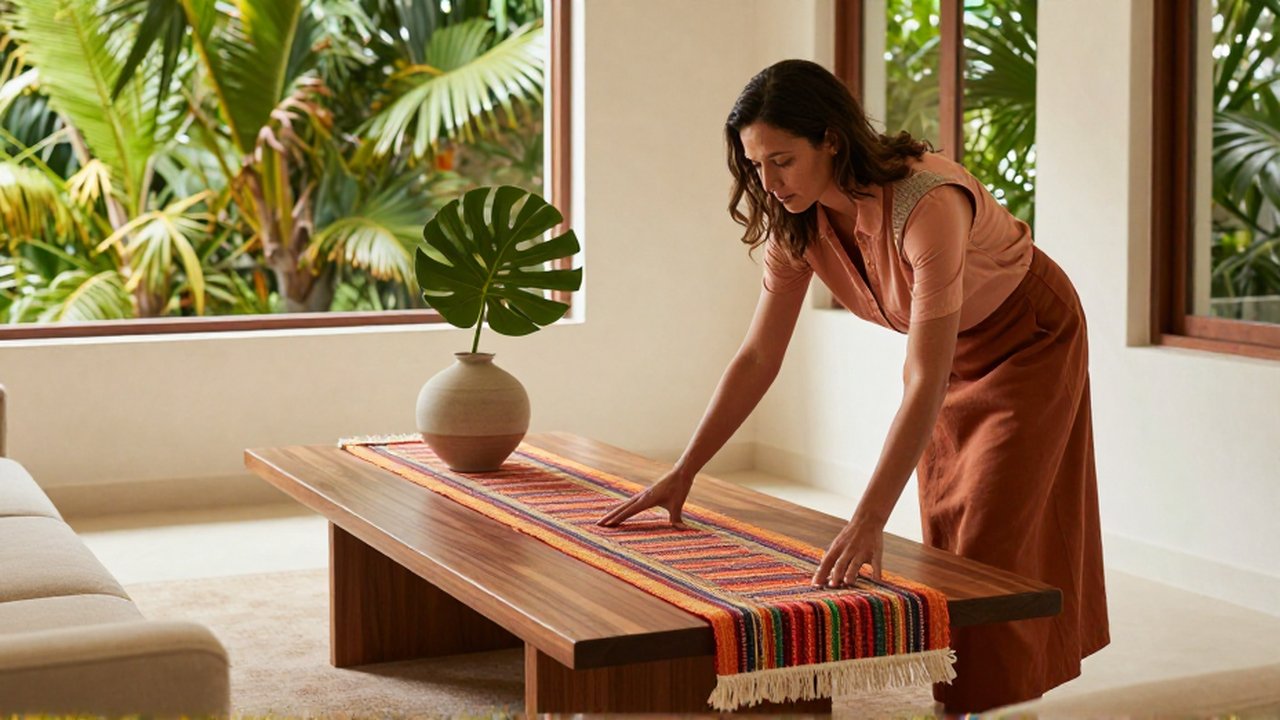
The foundation of a successful fusion lies in the color scheme. A common mistake is trying to match too many colors at once, which can lead to visual clutter. Instead, follow a tiered approach:
- The Modern Base: Use neutral colors for large surfaces such as walls, floors, and large sofas. White or light sand tones work exceptionally well in the Dominican climate as they reflect light and keep spaces feeling airy.
- The Traditional Accents: Introduce the vibrant Dominican spirit through accessories. Use deep blues, terracotta, or lush greens in throw pillows, area rugs, or artwork.
- The Bridge: Use medium-toned wood furniture to bridge the gap between a stark white wall and a brightly colored accent piece.
Integrating artisanal textures with contemporary furniture
Textural contrast is the most effective way to prevent a modern room from feeling cold or sterile. If you have a sleek, modern sofa with clean lines, avoid pairing it with another smooth, minimalist piece. Instead, place a hand-woven Dominican rug underneath or drape a textile featuring local patterns over the cushions.
Natural materials like wicker, cane, and macramé are staples of Caribbean living. Incorporating a cane-back chair or a large rattan basket in a modern living room adds immediate warmth. When selecting these pieces, look for high-quality craftsmanship. A single, well-made piece of traditional wood carving can serve as a focal point in a room filled with contemporary minimalist furniture, providing a sense of history and character.
Selecting focal points and decor accents
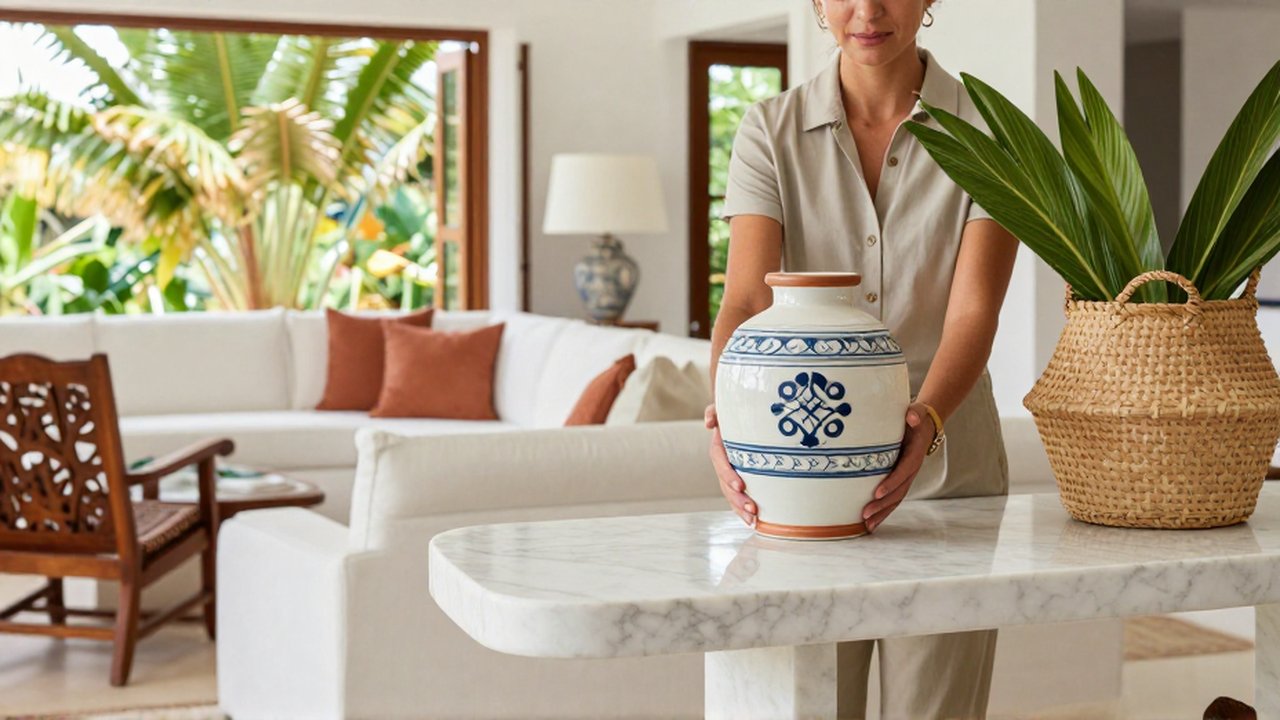
When mixing styles, you should decide which element will take center stage. You can approach this in two ways:
- Modern Dominant: A room with minimal furniture and a neutral palette where one large traditional item, such as a massive colonial-style wooden dining table, acts as the primary statement.
- Traditional Dominant: A room with more ornate, classic elements where modern lighting fixtures or glass coffee tables are used to lighten the visual weight and provide a sense of contemporary relevance.
Lighting is an underrated tool in this process. Modern, sculptural light fixtures can provide a stunning contrast to traditional wooden furniture. Conversely, using warm, diffused light from traditional lanterns can soften the hard edges of a modern, industrial-style room.
Common mistakes to avoid in fusion decor
One of the biggest risks is over-decorating. Adding too many traditional trinkets can quickly make a space feel cluttered and dated rather than curated. Another error is the "mismatch" effect, where items feel like they were collected without intention. To avoid this, ensure there is a common thread—such as a shared color or a similar material—that ties the modern and traditional pieces together.
Furthermore, be mindful of scale. A tiny, intricate traditional vase might get lost in a large, modern room, while an oversized colonial cabinet might overwhelm a small modern studio. Always consider the proportions of your furniture relative to the architectural volume of your home.
Frequently asked questions
Does mixing styles make a room look cluttered? Not if you follow the principle of balance. Use modern pieces to provide "breathing room" and use traditional pieces as intentional accents rather than filling every corner with ornaments.
Should I use real wood or synthetic materials? For a truly authentic Dominican feel, real wood (like mahogany or cedar) is highly recommended. The natural grain and weight of real wood provide a texture that synthetic materials cannot replicate, making the fusion feel more premium.
Can I use bright colors in a modern setting? Yes. In fact, bright tropical colors are essential for maintaining a Dominican identity. The key is to use them strategically—on a single accent wall, in textiles, or through art—rather than painting every surface a bold color.
How do I choose between modern or traditional lighting? If your furniture is mostly traditional, choose modern, minimalist lighting to create contrast. If your furniture is modern, consider using lighting with organic shapes or traditional materials to add warmth.
Leave a Reply