
Benefits of using LED lighting in island homes

Introduction
Switching to Light Emitting Diode (LED) technology is one of the most effective ways to improve energy efficiency in a household. For residents living in island environments, where electricity costs can be high and power stability may vary, upgrading to LED bulbs offers a practical solution to reduce monthly expenses. This transition involves replacing traditional incandescent or halogen bulbs with modern, long-lasting alternatives that use significantly less electricity to produce the same amount of light.
Implementing LED lighting is appropriate for anyone looking to modernize their home while practicing better resource management. Because island climates often demand high usage of air conditioning and other heavy appliances, minimizing the energy load from lighting can provide much-needed relief to the home's electrical system. This guide explores why making the switch is a strategic move for maintaining a comfortable, cost-effective, and sustainable household.
Energy savings and reduced electricity bills
The primary advantage of LED lighting is its remarkable efficiency in converting electricity into visible light. Unlike traditional incandescent bulbs, which release a large portion of their energy as heat, LEDs are designed to direct energy toward illumination. In an island setting, where utility rates often reflect the high cost of imported fuel, this difference becomes highly noticeable on monthly statements.
Because LEDs require a fraction of the wattage needed by older lighting technologies to achieve the same brightness, the cumulative effect of replacing every bulb in a house can lead to significant savings. This is particularly beneficial in larger homes or properties with extensive outdoor lighting, such as gardens or walkways, which are often left on for much of the evening.
Longevity and reduced maintenance requirements
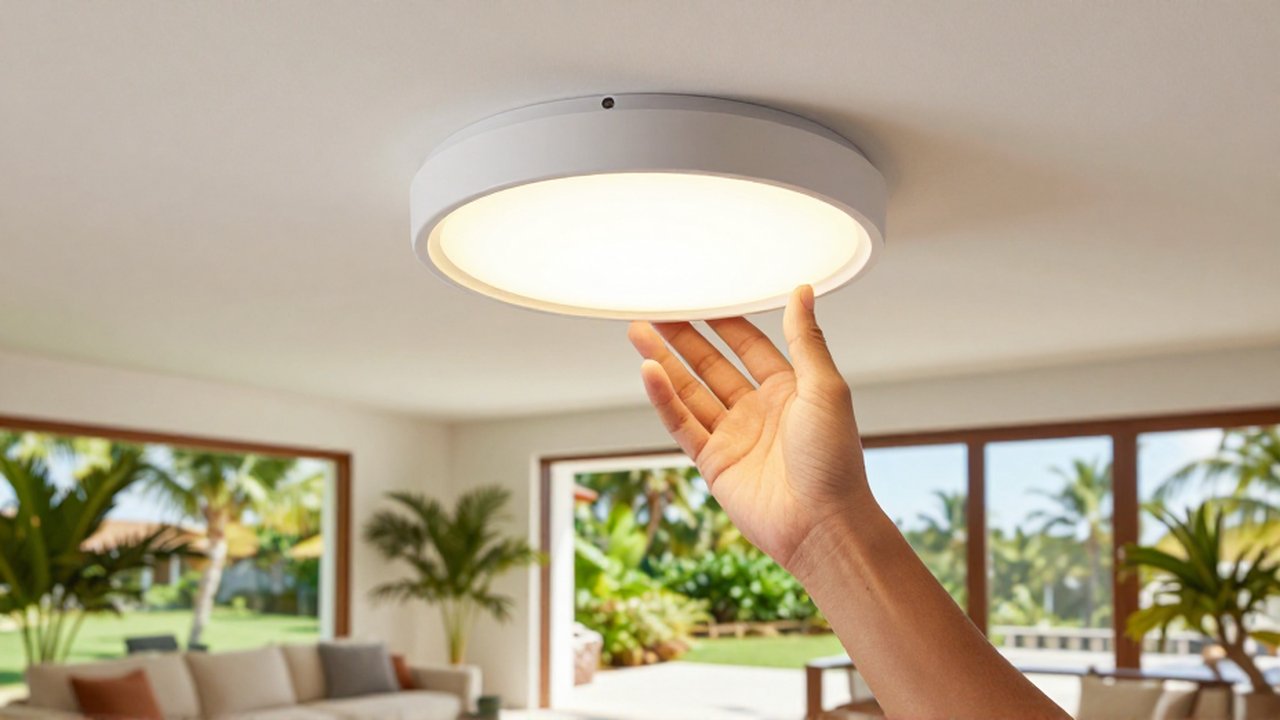
In tropical or coastal environments, the frequency of household maintenance tasks can be high due to the impact of humidity and heat. One of the standout benefits of LED technology is its lifespan. While a standard bulb might burn out after a few thousand hours of use, an LED bulb is designed to last tens of thousands of hours.
This longevity offers several practical benefits for island homeowners:
- Reduced replacement frequency: You will spend less time and effort replacing burnt-out bulbs in hard-to-reach areas like high ceilings or outdoor porch fixtures.
- Lower long-term costs: Although the initial purchase price of an LED may be higher than an incandescent bulb, the cost per hour of light is much lower because they do not need to be replaced nearly as often.
- Minimal waste: Fewer bulb replacements mean less consumer waste being sent to local landfills, supporting a more sustainable lifestyle.
Heat reduction and indoor climate control
In warmer island climates, managing indoor temperatures is a constant priority. Traditional lighting acts like a small heater, radiating significant warmth into a room. When multiple lights are turned on simultaneously, they contribute to the overall heat load of the house, forcing air conditioning units to work harder to maintain a cool temperature.
LEDs emit very little heat. By switching to these bulbs, you reduce the thermal output within your living spaces. This subtle change helps in maintaining a more stable indoor climate and can contribute to lower energy consumption by the cooling systems, creating a secondary layer of energy efficiency beyond the lighting itself.
Comparison of lighting technologies
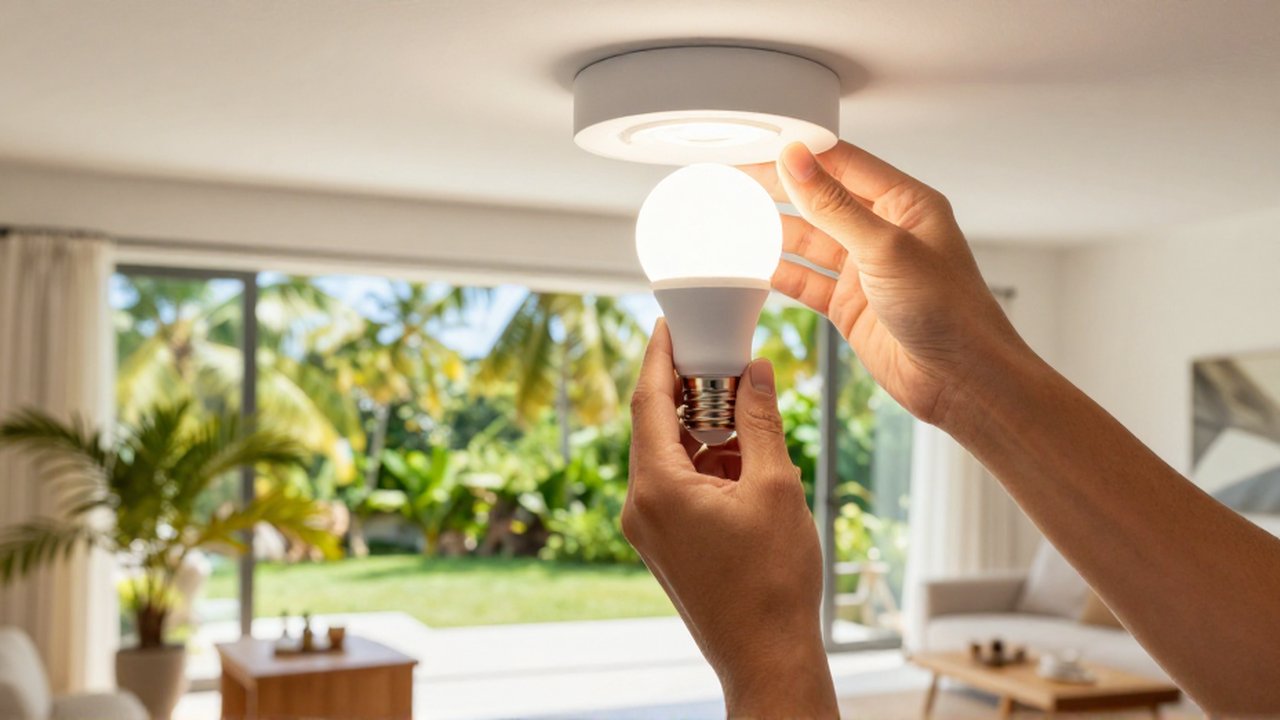
To understand the impact of making the switch, it is helpful to look at how different bulb types perform in terms of energy and lifespan.
| Feature | Incandescent Bulbs | LED Bulbs |
|---|---|---|
| Energy Consumption | Very High | Very Low |
| Heat Emission | High | Very Low |
| Average Lifespan | Short | Very Long |
| Durability | Fragile | High |
Selecting the right lighting for your home
When transitioning to LED, it is important to consider more than just the wattage. To ensure your home remains comfortable, pay attention to the following criteria:
- Color Temperature: This refers to the "warmth" or "coolness" of the light. Warm white (2700K-3000K) is ideal for bedrooms and living rooms to create a relaxing atmosphere. Cool white or daylight (4000K-5000K) is better for kitchens, bathrooms, or workspaces where clarity is needed.
- Lumens vs. Watts: Instead of looking at watts to determine brightness, look at lumens. Lumens indicate how much light a bulb produces. A higher lumen count means a brighter light.
- Dimmability: If you have existing dimmer switches, ensure that the specific LED bulbs you purchase are labeled as "dimmable" to avoid flickering or compatibility issues.
Frequently asked questions
Will LED bulbs work with my existing light fixtures? In most cases, yes. Most LED bulbs are designed to fit standard sockets used by incandescent and halogen bulbs. However, it is important to check if your fixture requires specific bulb shapes or if your dimmer switches are compatible with LED technology.
Is it worth the higher upfront cost of LED bulbs? Yes. While an individual LED bulb costs more than a traditional one, the energy savings and the fact that they last many times longer mean they pay for themselves quite quickly.
Do LED bulbs provide enough light for outdoor use? Absolutely. There are many specialized LED options designed for outdoor environments, including floodlights, pathway lights, and waterproof fixtures that are perfect for island gardens and security lighting.
Can LEDs help with power outages? While LEDs cannot prevent a power outage, their low energy demand makes them ideal for use with battery-powered emergency lights or small solar-powered setups, as they can provide bright illumination while consuming very little stored energy.
Leave a Reply