
Estimated costs for installing energy efficient appliances

Introduction
Investing in energy-efficient appliances is a strategic way to reduce monthly utility expenses and lower the environmental footprint of a household. These appliances are designed to perform the same essential functions as standard models but consume significantly less electricity to do so. In regions with rising energy prices or high electricity tariffs, making the switch becomes a priority for maintaining a predictable household budget.
Understanding the financial commitment required for this transition is essential for effective home planning. The initial purchase price of energy-efficient models is often higher than their conventional counterparts due to advanced technology and specialized components. However, the primary goal of this investment is to recover those extra costs through long-term savings on electricity bills, eventually leading to a net financial benefit.
Planning an upgrade requires evaluating more than just the sticker price. Homeowners must consider installation expenses, potential compatibility with existing electrical systems, and the specific energy ratings of various products. By analyzing these variables, you can determine which upgrades offer the fastest return on investment and the most significant impact on your home's overall energy consumption.
Understanding the initial investment gap
When shopping for new appliances, the most immediate observation is the price difference between standard and energy-efficient models. This "green premium" represents the additional cost paid upfront for technology that optimizes power usage. While it might seem more economical to purchase a cheaper, less efficient model, the long-term cost of operation often tells a different story.
The gap in cost varies depending on the appliance type. For large items like refrigerators, air conditioners, and washing machines, the price difference can be quite noticeable. Smaller appliances, such as microwave ovens or toasters, typically show much smaller discrepancies in price. It is important to view this initial expenditure as a capital investment in your home's infrastructure rather than a mere consumer expense.
Typical costs for common household appliances
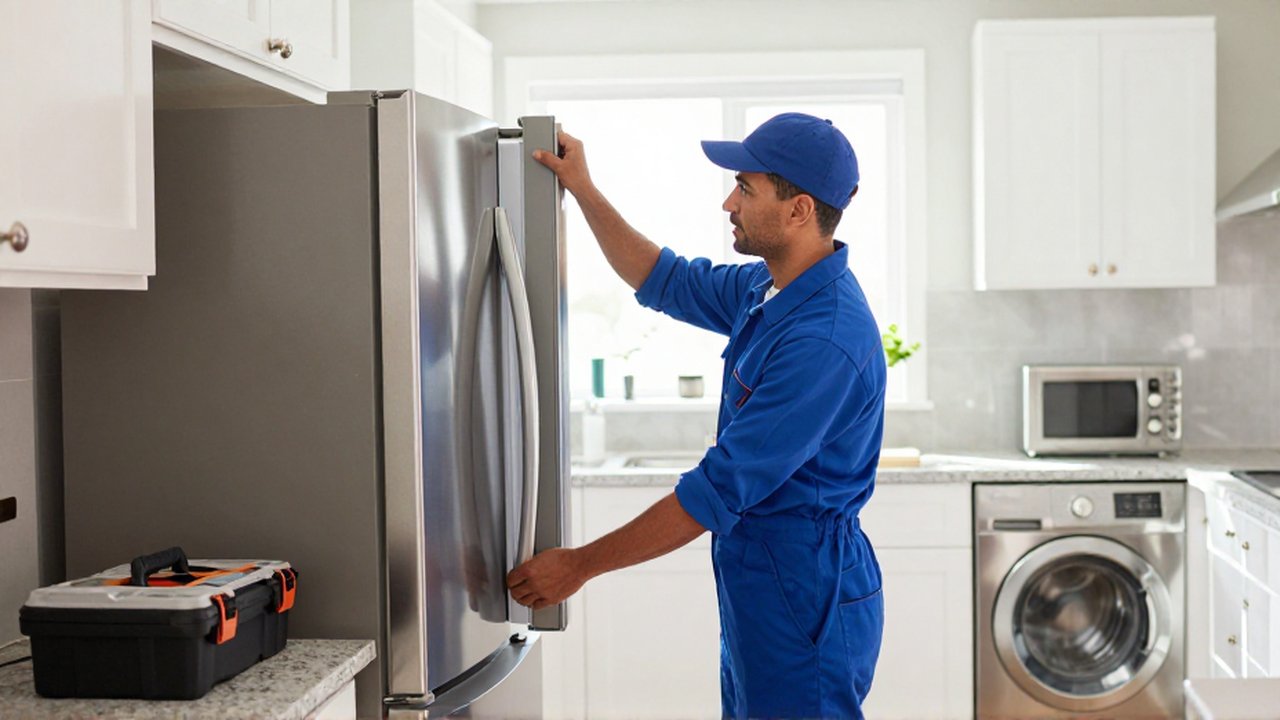
Estimating the total budget for an upgrade requires a breakdown of the specific categories being replaced. The following table provides a general framework for comparing the types of investments involved in different appliance categories.
| Appliance Category | Cost Variance Level | Primary Savings Driver |
|---|---|---|
| Refrigeration | High | Constant power draw |
| Climate Control (AC) | Very High | High wattage and long usage hours |
| Laundry (Washer/Dryer) | Moderate | Heating and motor efficiency |
| Cooking (Ovens/Ranges) | Moderate | Heat retention and induction tech |
| Small Appliances | Low | Incremental daily savings |
Air conditioning units and refrigerators usually represent the largest potential for savings because they run frequently or continuously. Upgrading these specific items often provides the most significant relief to a monthly energy budget.
Factors influencing installation expenses
The total cost of transitioning to energy-efficient appliances is not limited to the purchase price. Installation can introduce unexpected variables that affect the final budget. Depending on the technology used, you may need to account for more than just the physical placement of the unit.
One significant factor is electrical compatibility. Some high-efficiency appliances, particularly those using induction technology or high-capacity drying systems, may require specific voltage or dedicated circuits. If your current home wiring is outdated, you might need to hire a professional to upgrade your electrical panel or install new outlets to accommodate the new equipment safely.
Additionally, professional installation is often recommended for complex units like built-in dishwashers or advanced HVAC systems. While some basic appliances can be a "plug-and-play" affair, others require specialized tools, plumbing connections, or calibration to ensure they perform at their rated efficiency levels. Failing to install an appliance correctly can lead to reduced lifespan and higher energy consumption, nullifying the benefits of the upgrade.
Calculating the return on investment

To decide whether an appliance is worth the extra cost, you must consider the payback period. This is the amount of time it takes for the monthly electricity savings to equal the initial extra amount paid for the efficient model.
To perform a basic assessment, subtract the price of a standard appliance from the price of the energy-efficient model to find the "extra cost." Then, estimate your monthly savings by comparing the energy consumption ratings of the two units. Dividing the extra cost by your monthly savings will give you a rough estimate of how many months it will take to break even.
Keep in mind that while the payback period is a vital metric, other benefits should also be weighed. Energy-efficient appliances often come with longer warranties, more advanced features, and better build quality. These factors contribute to the overall value of the appliance, even if the direct electricity savings take longer to realize.
Common mistakes in energy efficiency planning
A frequent error in home energy planning is focusing solely on the lowest purchase price. Opting for the cheapest model available often leads to higher lifetime costs due to excessive energy consumption. Another mistake is ignoring the "total cost of ownership," which includes maintenance and potential installation upgrades.
Homeowners also sometimes underestimate the impact of appliance size. A very large, high-efficiency refrigerator may still use more energy than a properly sized, medium-efficiency model if the capacity exceeds the household's actual needs. Always match the appliance capacity to your lifestyle to maximize the efficiency benefits.
Frequently asked questions
Does an energy-efficient appliance always save money? In the long term, yes, provided the appliance is used regularly and installed correctly. The savings come from lower electricity consumption, which offsets the higher initial purchase price over time.
Will I need to upgrade my electrical panel for new appliances? It depends on the appliance. While many standard appliances fit existing setups, high-power units like induction cooktops or large air conditioning systems might require dedicated circuits or an electrical panel upgrade.
How can I tell if an appliance is truly efficient? Look for standardized energy labels and ratings provided by manufacturers. These labels offer comparative data on energy usage, allowing you to see how a specific model performs relative to others in its class.
Are energy-efficient appliances more expensive to maintain? Generally, no. While the technology is more advanced, maintenance requirements are often similar to standard models. However, using only recommended cleaning products and following manufacturer guidelines is essential to maintaining their efficiency.
Leave a Reply