
Signs your home backup battery needs immediate replacement
Introduction
Home backup batteries are essential components of a modern energy management system, especially in regions prone to unpredictable power outages or tropical storms. These systems serve as a critical safety net, ensuring that essential appliances like refrigerators, lights, and medical devices remain functional when the main electrical grid fails. Maintaining a reliable battery backup is not just about convenience; it is about ensuring the continuity of your household's most vital functions during emergencies.
As batteries age, their chemical composition undergoes natural degradation, which inevitably impacts their ability to hold a charge and deliver power efficiently. Recognizing the early warning signs of battery failure is crucial for preventing total system collapse during a blackout. Understanding these signals allows homeowners to transition from reactive repairs to proactive replacements, ensuring that their energy security remains intact when it is needed most.
Reduced capacity and shorter discharge times
One of the most prominent indicators of a failing battery is a noticeable decline in its capacity to power your home. If you find that your backup system can no longer sustain your essential loads for the same duration it once did, the battery's internal health is likely compromised. This reduction in discharge time occurs because the chemical cells can no longer store the same amount of energy as they did when new.
For example, if your system used to power your lights and fans for six hours during an outage but now fails after only two, this is a clear sign of capacity loss. While some gradual decline is expected over several years, a sudden or significant drop in performance suggests that the battery has reached the end of its useful life cycle.
Frequent charging issues and voltage irregularities
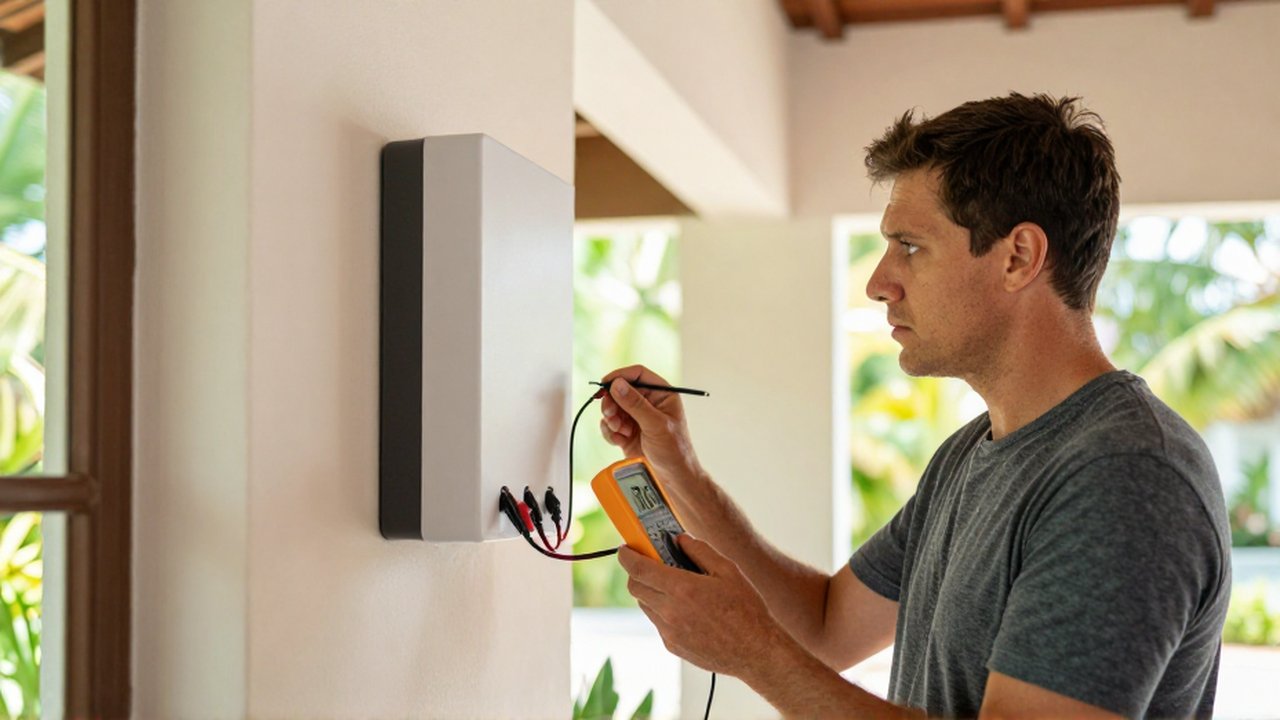
A healthy backup battery should follow a predictable charging cycle managed by your inverter or charge controller. If you notice that the battery is struggling to reach a full charge, or if it reaches a full state suspiciously quickly, these are significant red flags. Rapid charging often indicates that the battery can no longer hold a significant amount of energy, causing the voltage to spike prematurely.
Other electrical irregularities include:
- Fluctuating voltage levels: Constant instability in the voltage output while under load.
- Failure to hold a charge: The battery depletes almost immediately after the main power is restored.
- Inverter error codes: Many modern energy systems will display specific error messages related to low voltage or battery impedance.
Physical changes and unusual sounds
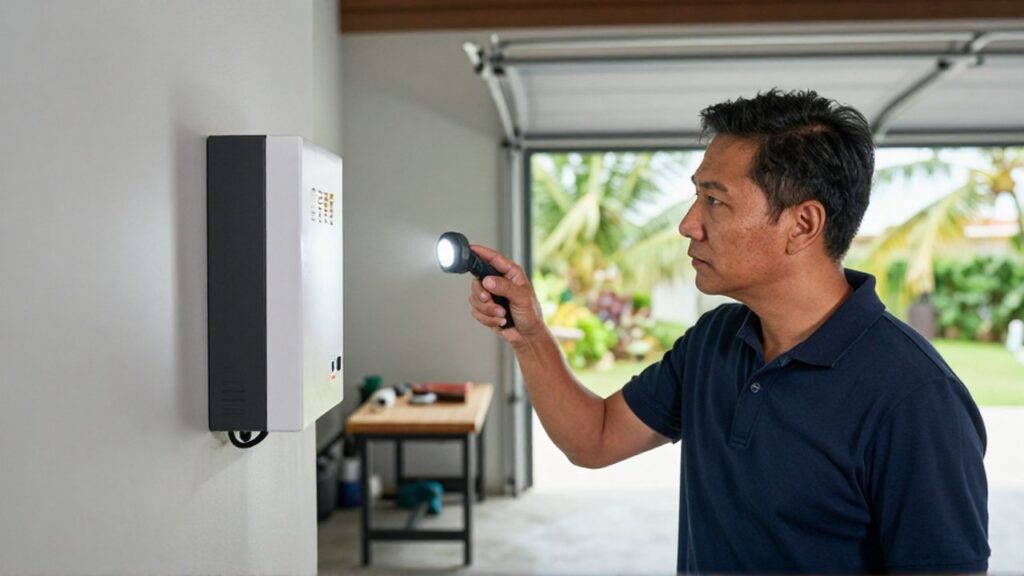
Physical inspection is one of the most direct ways to identify an immediate need for replacement. Unlike electronic degradation, physical damage is often visible or audible. If you observe any physical changes to the battery casing, it is imperative to address the situation immediately, as this can pose safety risks.
Common physical warnings include:
- Swelling or bloating: This is often caused by gas buildup inside the battery during the charging process due to overheating or overcharging.
- Leaking fluids: Any sign of electrolyte leakage is a critical failure and requires professional handling.
- Corrosion on terminals: Excessive buildup of white or powdery substances on the connections can impede electrical flow and indicate a chemical issue.
- Unusual odors: A strong, sulfur-like smell (often described as rotten eggs) is a sign of off-gassing that requires immediate attention.
Excessive heat during operation
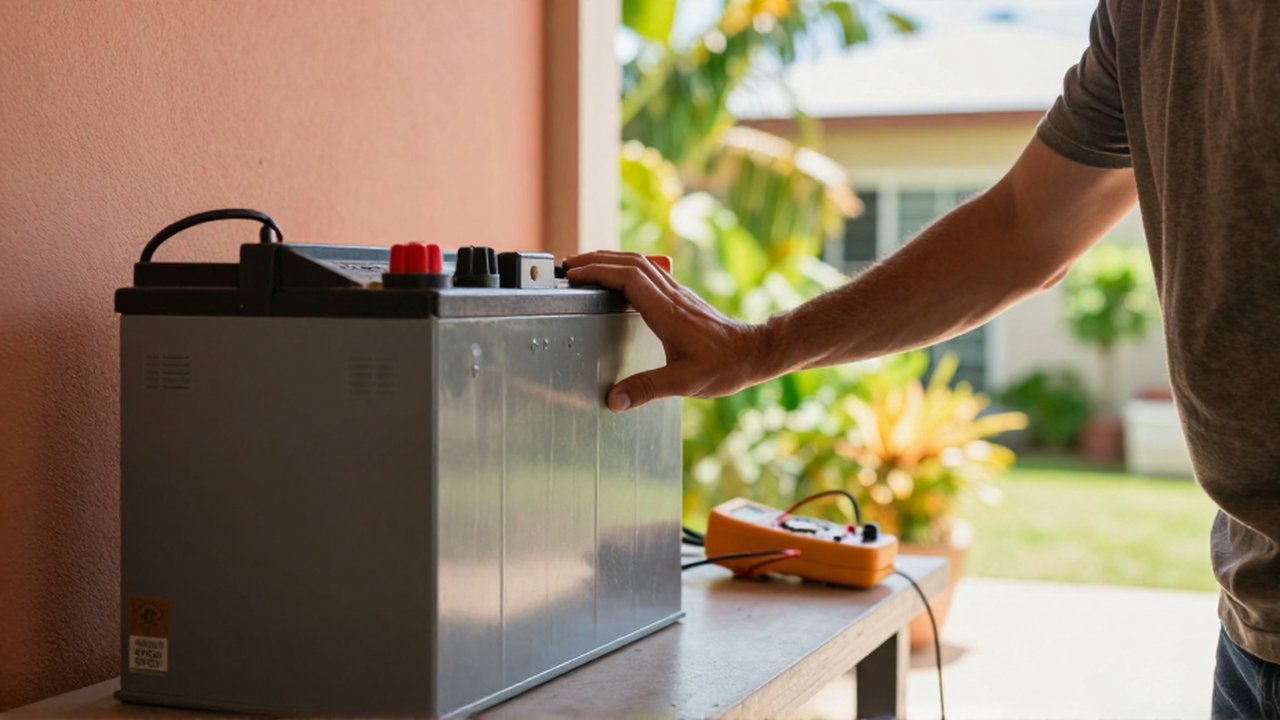
Batteries naturally generate some heat during the discharge and charge cycles, but they should remain within a specific temperature range. If your battery housing feels excessively hot to the touch, or if you notice the ambient temperature in your battery storage area rising significantly during use, the battery may be experiencing internal short circuits or high internal resistance.
High temperatures are a primary driver of thermal runaway, a condition where an increase in temperature changes the conditions in a way that causes a further increase in temperature, potentially leading to fire or explosion. If the heat is accompanied by a decline in performance, the battery is likely reaching a state of terminal degradation and must be replaced.
Comparison of battery health indicators
| Symptom | Severity | Primary Cause |
|---|---|---|
| Gradual drop in runtime | Moderate | Natural chemical aging |
| Swelling or bloating | Critical | Gas buildup/Overcharging |
| Rapid voltage spikes | High | Loss of capacity |
| Electrolyte leakage | Critical | Casing or seal failure |
| Excessive heat | High | Internal resistance/Short circuit |
Frequently asked questions
How long should a home backup battery typically last? The lifespan varies depending on the battery chemistry used, such as Lead-Acid or Lithium-Ion. Generally, Lithium-Ion batteries offer a longer lifecycle with more stable performance over many years, whereas older chemistries may require replacement more frequently.
Can I simply replace a single cell in a battery bank? In most modern residential setups, especially those using integrated lithium modules, it is recommended to replace the entire unit or module to ensure system balance. Replacing only parts of a bank can lead to mismatched voltages and further instability.
Is it dangerous to keep using a swollen battery? Yes. A swollen battery indicates internal pressure buildup and potential chemical instability. You should stop using the system and contact a professional immediately to avoid the risks of leakage or fire.
Does temperature affect my battery's performance? Yes, extreme temperatures can impact both performance and longevity. In tropical climates, ensuring your battery is stored in a well-ventilated, temperature-controlled environment is vital to prevent premature degradation.
Leave a Reply