
Comparing solar power vs traditional electricity costs
Introduction
Deciding between relying on the traditional electrical grid or investing in a solar energy system is a significant financial and lifestyle decision for homeowners. This comparison examines the long-term economic implications of both energy sources, focusing on upfront investments versus ongoing savings. Understanding these differences is essential for anyone looking to optimize their household budget and gain greater control over their monthly utility expenses.
In the Dominican Republic, where electricity rates can fluctuate and remain relatively high, the choice becomes even more critical. While traditional electricity offers immediate accessibility with minimal initial investment, it leaves consumers vulnerable to price hikes and grid instability. Conversely, solar power requires a substantial initial outlay but promises a reduction in monthly bills and a hedge against future energy inflation.
Evaluating these two options requires a look at more than just the monthly bill. One must consider the lifecycle of the equipment, the maintenance required, and the overall return on investment. This article provides a structured comparison to help you determine which energy path aligns best with your financial goals and domestic needs.
Differences in initial investment and monthly expenses
The most striking difference between solar power and traditional electricity lies in the timing and structure of the costs. Traditional electricity operates on a "pay-as-you-go" model. There is virtually no entry cost to connect to the grid, but you are committed to a recurring monthly charge that covers the energy you consume. These costs are entirely at the discretion of the utility provider and are subject to changes in fuel prices and infrastructure maintenance fees.
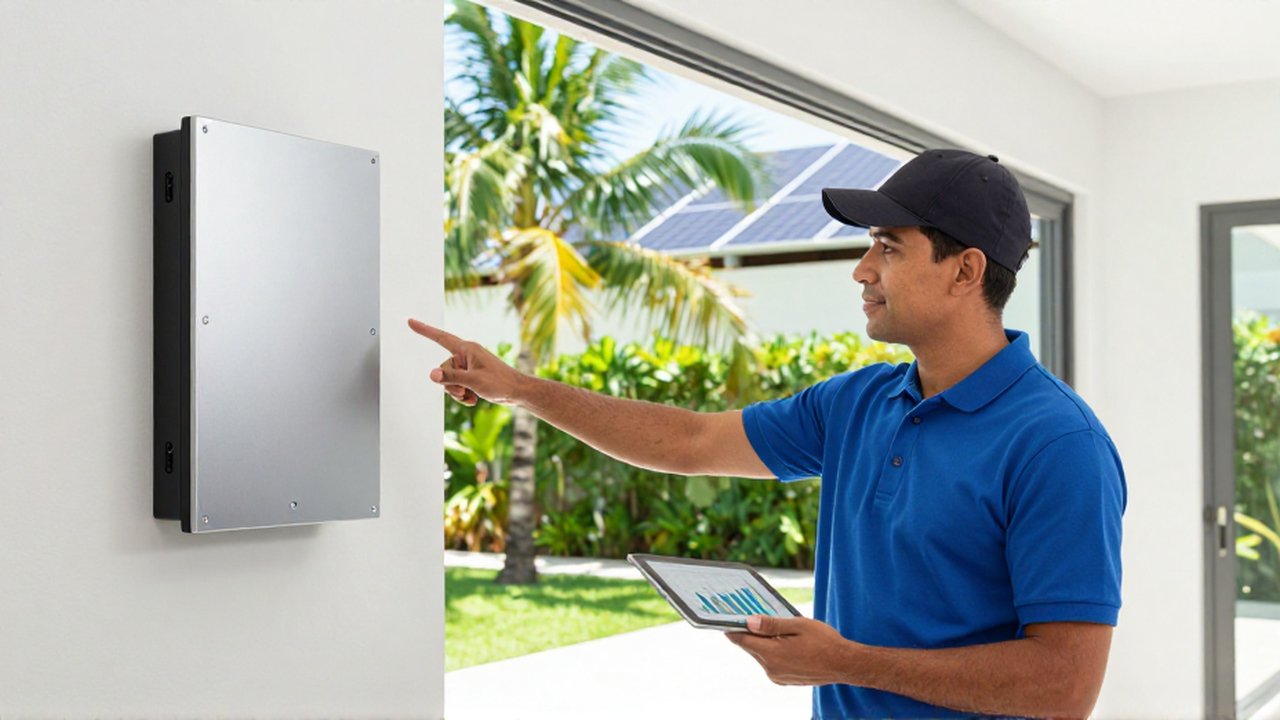
Solar power flips this model. It requires a significant upfront capital expenditure to purchase panels, inverters, mounting hardware, and potentially battery storage. However, once the system is installed, the cost of generating your own electricity drops to near zero. Instead of paying a utility company every month, your primary expense shifts from a recurring operational cost to a depreciating asset that you own.
To visualize the core difference, consider the following breakdown:
| Feature | Traditional Electricity | Solar Power System |
|---|---|---|
| Upfront Cost | Negligible | High |
| Monthly Bill | Variable and recurring | Minimal to zero |
| Price Predictability | Low (subject to rate hikes) | High (fixed production cost) |
| Ownership | Service-based | Asset-based |
Factors influencing long term savings
While the initial cost of solar is high, the long-term savings are driven by several key factors. The primary driver is the avoidance of future utility rate increases. Because solar energy is harvested for free from the sun, every kilowatt-hour you produce is a kilowatt-hour you do not have to purchase from the grid at potentially higher future prices.
The efficiency and scale of the system also play a major role. A system that is sized correctly for your home’s specific consumption patterns—including air conditioning, refrigeration, and lighting—will maximize your savings. If a system is undersized, you will still rely heavily on the grid, diminishing the economic benefits.
Furthermore, the inclusion of battery storage affects the math. While batteries increase the initial cost significantly, they provide the ability to use solar energy during the night or during grid outages. This increases your energy independence and can further reduce your reliance on expensive peak-hour electricity, though it extends the time needed to reach a full return on investment.
Maintenance and durability considerations
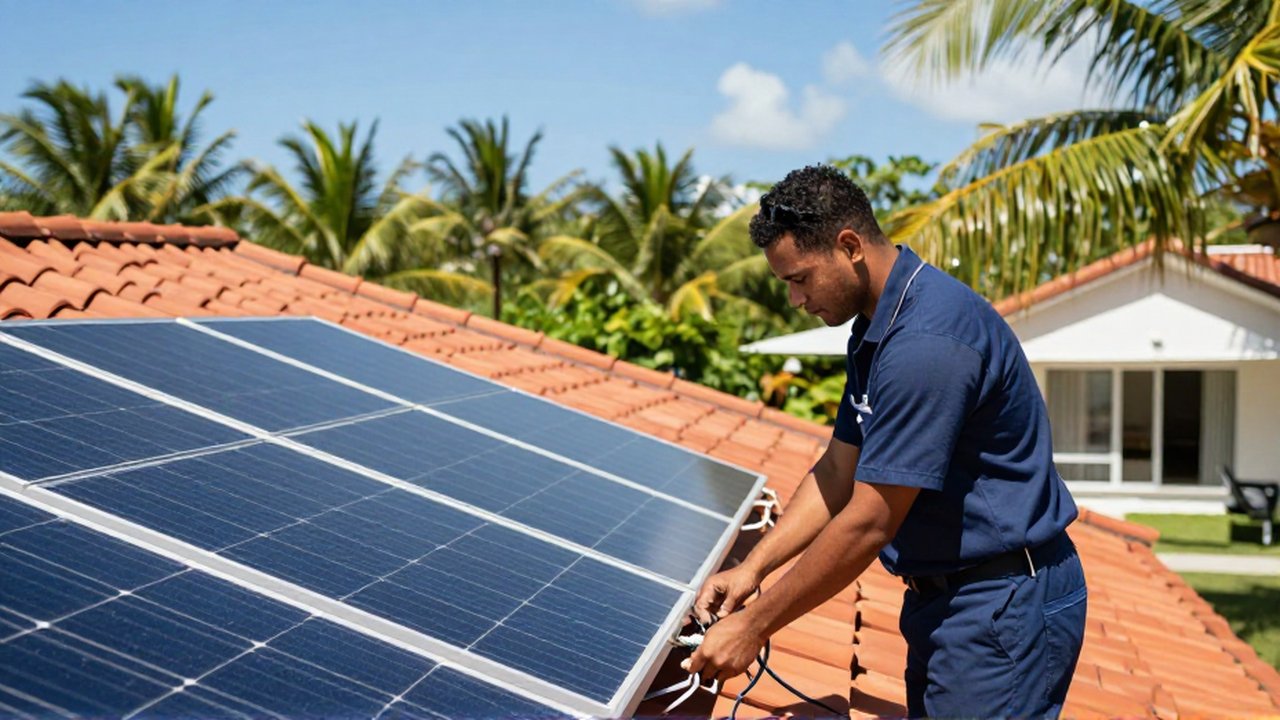
A common misconception is that solar power is entirely maintenance-free. While solar panels have no moving parts and are generally very durable, they are not immune to the environment. In tropical climates, dust, salt spray from the ocean, and debris can accumulate on the panels, slightly reducing their efficiency over time. Regular cleaning is a practical necessity to ensure the system performs at its rated capacity.
Traditional electricity also carries "maintenance" costs, though they are indirect. You do not maintain the grid, but those maintenance costs are baked into your monthly utility tariff. If the grid infrastructure in your area is aging, you may experience outages or voltage fluctuations that could potentially damage household appliances.
When comparing the two, consider these maintenance aspects:
- Solar Cleaning: Periodic washing of panels to remove dust and residue.
- Inverter Lifespan: While panels can last decades, inverters typically need replacement or servicing sooner.
- Grid Reliability: Traditional power may require you to invest in secondary backup solutions (like generators) if the grid is unstable.
Common mistakes in energy decision making
When choosing between these two energy paths, homeowners often fall into several predictable traps. One frequent error is underestimating the total energy load of a household. Many people calculate their solar needs based on lights and appliances but forget the heavy draw of air conditioning units, which are essential in warmer climates. An undersized system leads to disappointment and continued high bills.
Another mistake is focusing solely on the "payback period" without considering the opportunity cost of the capital. While solar is often a winning investment, it ties up a large amount of liquidity that could be used elsewhere. It is vital to weigh the benefits of energy independence against your current financial flexibility.
Finally, failing to account for the local environment is a risk. In coastal areas, the salt air can accelerate the corrosion of mounting hardware if high-quality, marine-grade materials are not utilized. Always ensure that any solar installation is specifically designed for your geographic location to protect your investment.
Frequently asked questions
How long does it take for solar to pay for itself? The time required to recoup the initial investment varies depending on local electricity rates, the size of your system, and your consumption patterns, but it generally occurs over several years of reduced utility bills.
Does solar power work during cloudy weather? Yes, solar panels can still generate electricity on cloudy days by capturing diffused sunlight, although the total energy production will be lower than on a clear, sunny day.
Will solar power keep my lights on during a blackout? Only if your system includes a battery backup or is specifically configured with a hybrid inverter capable of "islanding." A standard grid-tied system will shut down during a blackout for safety reasons.
Does solar installation decrease property value? In many markets, a well-installed and maintained solar energy system can increase a home's value by providing a predictable, lower cost of living for future owners.
Leave a Reply