
Best smart energy monitors for Dominican Republic households

Introduction
Managing electricity costs is a primary concern for homeowners in the Dominican Republic, where utility rates can be significant and energy consumption often fluctuates due to heavy air conditioning use. A smart energy monitor is a device that connects to your electrical panel to provide real-time data on how much electricity your home is consuming. By tracking usage patterns through a smartphone app, these devices allow you to identify "energy vampires"—appliances that draw power even when turned off—and understand which devices contribute most to your monthly bill.
Implementing energy monitoring is particularly useful when you notice unexpected spikes in your utility statements or when you are attempting to optimize a home equipped with solar panels or backup generators. Understanding your consumption in real-time empowers you to make informed decisions about lifestyle changes, such as adjusting thermostat settings or rescheduling heavy appliance use. This proactive approach helps in reducing waste, extending the lifespan of your electrical components, and ultimately lowering your household expenses.
Benefits of monitoring energy consumption

Using a smart monitor provides visibility into the invisible flow of electricity within your walls. In the Dominican Republic, where tropical climates necessitate constant cooling, being able to see exactly how much power an air conditioning unit draws during different times of the day can lead to substantial savings. When you can see the immediate impact of turning on a high-wattage appliance, you develop a more conscious relationship with your energy habits.
Beyond simple cost savings, energy monitoring serves as an early warning system. Unusual spikes in electricity usage can sometimes indicate that a motor in a refrigerator or a water pump is struggling or failing, potentially saving you from expensive emergency repairs. Furthermore, for residents utilizing solar energy systems, these monitors are essential for balancing consumption with production, ensuring that you maximize the use of your self-generated power during daylight hours.
Key features to consider for Dominican households
When selecting a device, it is vital to consider how it will function within the specific electrical infrastructure of a Dominican home. Not all monitors are created equal, and choosing the wrong type can lead to installation difficulties or inaccurate data.
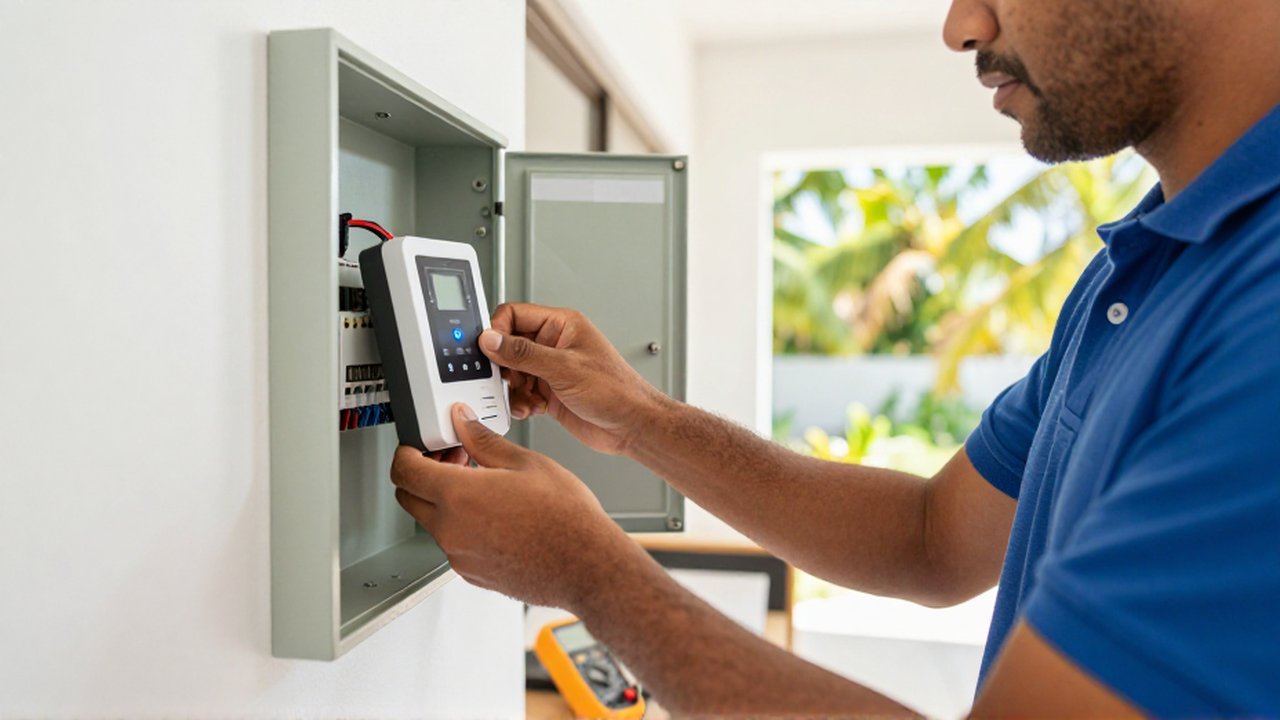
Installation method Some devices are "non-invasive" and use magnetic clamps that attach to the wires in your breaker box. These are generally easier to install. Others require direct wiring into the electrical panel, which usually necessitates professional assistance from a certified electrician.
Connectivity and stability Given the local climate and potential for internet fluctuations, look for monitors that offer stable Wi-Fi connectivity. A device that constantly disconnects will provide inconsistent data, making it difficult to track long-term trends.
Granularity of data Some monitors provide a single reading for the entire house, while more advanced models can identify specific circuits or individual appliances. If your goal is to target specific high-energy items like water heaters or laundry machines, high granularity is a significant advantage.
App functionality The software interface is just as important as the hardware. A good application should provide clear visualizations, such as graphs and charts, and ideally offer alerts when consumption exceeds a certain threshold.
Comparison of common monitoring technologies
| Monitor Type | Installation Complexity | Accuracy Level | Best For |
|---|---|---|---|
| Whole-home Clamp-on | Low to Medium | High | General household tracking and cost estimation |
| Circuit-level Monitors | High | Very High | Detailed analysis of specific appliances and heavy loads |
| Smart Plugs (Individual) | Very Low | Moderate | Monitoring single devices like TVs or small appliances |
Common installation mistakes and risks
A frequent mistake is attempting to install a hardwired monitor without professional help. Electrical panels in many Dominican homes can be complex, and improper installation poses a risk of short circuits or fire hazards. Always prioritize safety and consider hiring a local electrician to ensure the device is integrated correctly with your breaker box.
Another error is relying solely on smart plugs for total energy management. While smart plugs are excellent for monitoring a single lamp or a computer, they cannot provide a complete picture of your home's energy health. They are a supplement to, rather than a replacement for, a central energy monitor. Finally, placing your Wi-Fi router too far from the electrical panel can result in "blind spots" where data fails to upload, rendering the device ineffective.
Frequently asked questions
Do smart energy monitors work with solar power systems? Yes, many smart monitors are highly compatible with solar setups. They can help you visualize the interplay between the energy being pulled from the grid and the energy being produced by your panels, helping you optimize your usage.
Can these devices help reduce my electricity bill immediately? The device itself does not reduce consumption, but it provides the data necessary to change your habits. By identifying high-consumption periods and inefficient appliances, you can take action that leads to lower bills.
Is it difficult to connect these devices to my smartphone? Most modern smart monitors are designed for easy pairing via a mobile app. However, the reliability of the connection depends heavily on your home's Wi-Fi signal strength near the electrical panel.
Will a monitor work during a power outage? Standard smart monitors require electricity to function. If your home loses power, the monitor will also turn off. If you have a backup system like a generator or battery storage, the monitor can work again once power is restored to the panel.
Leave a Reply