
Best times of year to prune hibiscus plants

Introduction
Pruning hibiscus plants is a fundamental aspect of gardening that ensures these vibrant tropical shrubs remain healthy, compact, and prolific in their flowering. Proper pruning helps manage the plant's size, removes dead or diseased wood, and encourages the growth of new branches, which are the primary sites for upcoming blooms. By understanding the timing and technique of pruning, gardeners can transform a leggy, overgrown bush into a lush, ornamental centerpiece for any landscape.
Knowing when to prune is just as important as knowing how to prune. While hibiscus are relatively resilient, performing maintenance at the wrong time—such as during extreme heat or severe dormancy—can stress the plant and reduce its flowering potential. The ideal timing depends largely on your local climate and the specific goals you have for the plant, whether that is rejuvenation, shape control, or simply removing seasonal debris.
Ideal seasons for hibiscus pruning
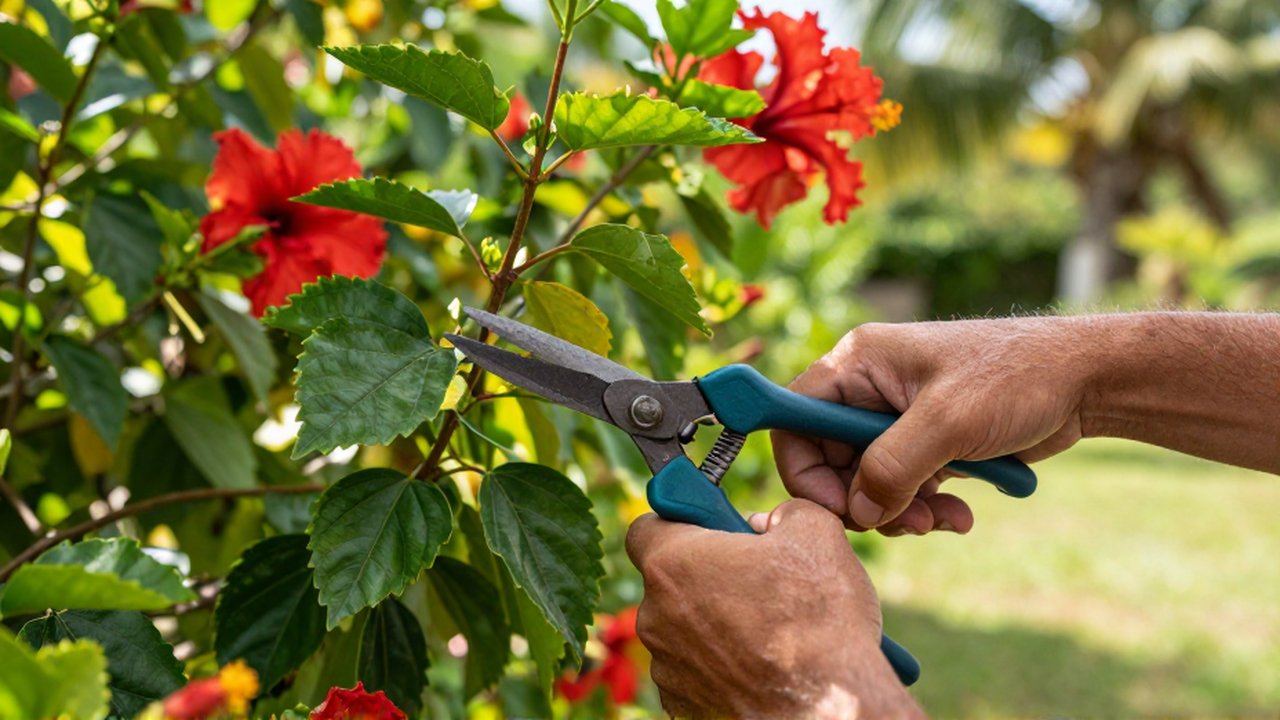
The most effective time to prune hibiscus is generally during the late winter or early spring, just before the plant begins its active growth phase. In tropical or subtropical environments, like those found in the Dominican Republic, the distinction between seasons is less about temperature drops and more about the transition into the primary growing season. Pruning just before the new growth spurt ensures that the plant can immediately channel its energy into healing the cuts and producing new, vigorous stems.
For those living in regions with distinct seasonal changes, pruning in late winter prevents any frost damage from affecting the fresh cuts. If your goal is simply to tidy up the plant or remove small, dead branches, you can perform light maintenance throughout the year. However, heavy structural pruning should always be reserved for the period when the plant is about to enter its most productive cycle.
Different pruning methods and objectives
Gardeners often approach pruning with different intentions, and the timing may shift slightly depending on the desired outcome. Understanding these different methods allows you to tailor your care to the specific needs of your hibiscus.
Maintenance pruning This is the most common form of care and involves removing dead, damaged, or diseased wood. This can be done almost any time of year. It keeps the plant looking tidy and prevents pests or diseases from spreading through the foliage.
Shape and size control If your hibiscus is becoming too large for its designated space or looks "leggy," you will need to prune more aggressively. This is best done in early spring. By cutting back long, thin stems, you encourage the plant to branch out from the base, creating a fuller, bushier appearance.
Rejuvenation pruning If an older hibiscus has become woody and unproductive, rejuvenation pruning is necessary. This involves cutting the plant back significantly to encourage entirely new growth. This should only be done during the most vigorous growth period in spring to ensure the plant has enough energy to recover.
Essential steps for successful pruning
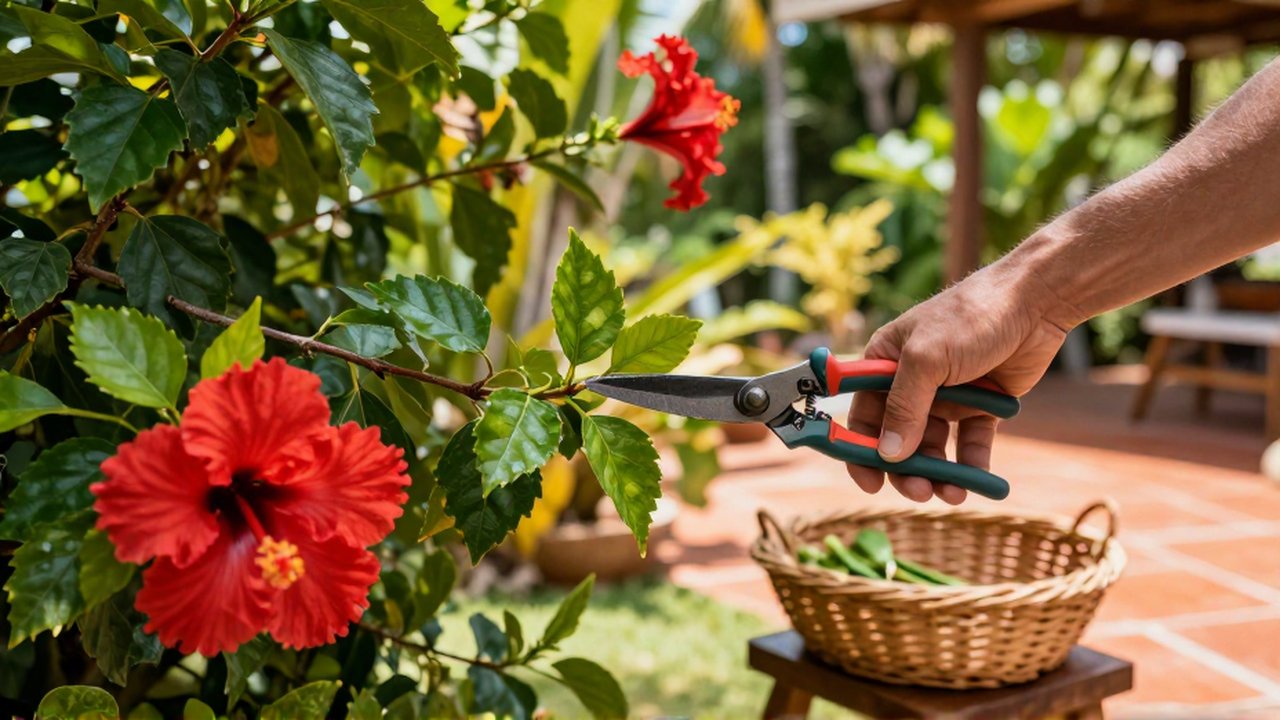
To ensure your hibiscus recovers quickly and stays healthy, follow a systematic approach when handling your garden shears.
- Sanitize your tools: Before starting, clean your pruning shears with rubbing alcohol. This prevents the accidental transfer of bacteria or fungi from one plant to another.
- Identify and remove the "Three Ds": Start by cutting away any branches that are Dead, Damaged, or Diseased. This clears the way for healthy growth.
- Thin out the interior: Remove branches that are crossing or rubbing against each other. This improves airflow within the center of the plant, which is vital for preventing fungal issues in humid climates.
- Execute clean cuts: Always make your cuts at a slight angle, roughly 1/4 inch above a healthy bud. A clean, sharp cut heals much faster than a jagged tear.
- Assess the height: If you are reducing the size of the plant, cut back to a main branch or a lateral bud to encourage new outward growth rather than upward stretching.
Common pruning mistakes to avoid
One of the most frequent errors is over-pruning. While it is tempting to cut a large bush down to a stump to make it manageable, doing so can deprive the plant of the energy needed to survive. Always leave enough healthy foliage to allow the plant to photosynthesize.
Another mistake is pruning during peak heat or drought. In tropical climates, the intense sun can stress fresh pruning cuts, causing the plant to lose moisture too quickly. It is better to wait until the plant is well-hydrated and the growth season is established. Lastly, avoid using dull tools. Ragged edges caused by blunt shears create wounds that are prone to infection and rot.
Frequently asked questions
Can I prune hibiscus in the middle of summer? You can perform light maintenance, such as removing dead flowers or small twigs, during the summer. However, avoid heavy structural pruning during the hottest months, as the plant may struggle to recover from the stress.
How often should I prune my hibiscus? For general maintenance, pruning once or twice a year is usually sufficient. If you are managing a very large plant or one that grows rapidly, more frequent light trimming may be necessary to maintain its shape.
Will pruning make my hibiscus bloom more? Yes, if done correctly. Pruning encourages the growth of new, young stems. Since hibiscus typically produce flowers on new growth, regular, well-timed pruning often leads to a more abundant flowering display.
What should I do if I prune too much? If you accidentally prune too heavily, ensure the plant receives adequate water and fertilizer during its growing season. Avoid adding extra stress like heavy shade or transplanting, and let the plant's natural growth cycle work to regenerate the canopy.
Leave a Reply