
Best plants for low maintenance landscaping in DR

Introduction
Creating a beautiful outdoor space in the Dominican Republic does not have to result in an endless cycle of weeding, pruning, and heavy watering. Low-maintenance landscaping focuses on selecting species that are naturally adapted to the local climate, meaning they thrive in the tropical heat and varying rainfall patterns of the island. By choosing the right plants, homeowners can achieve a lush, green aesthetic while significantly reducing the time and cost required for yard upkeep.
This approach is particularly beneficial for those with busy lifestyles or for properties where water conservation is a priority. Instead of fighting against the environment with delicate, high-needs flowers, a low-maintenance strategy works with the tropical ecosystem. Selecting plants that are drought-tolerant and resistant to local pests ensures that your garden remains vibrant and structurally sound throughout the year, even during the intense summer months or the transition between seasons.
Benefits of choosing native and tropical hardy plants
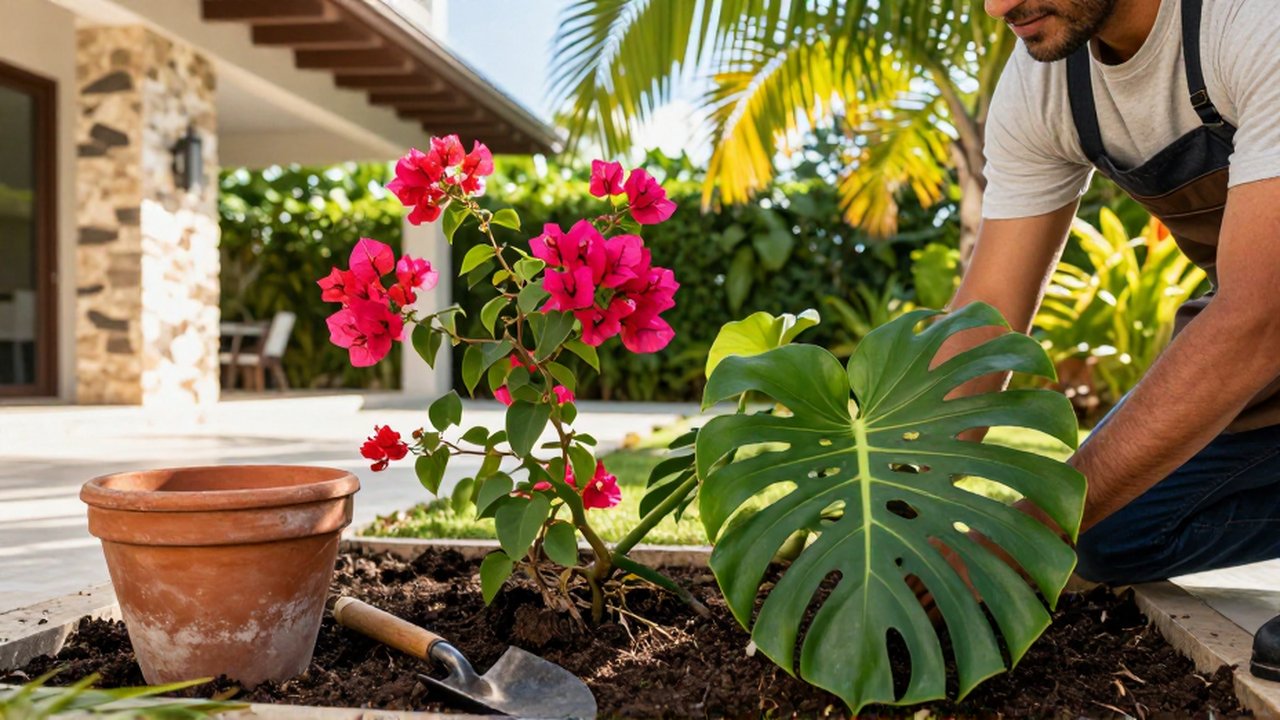
Opting for low-maintenance plants offers several practical advantages for residents in the Dominican Republic. First and foremost is resilience. Tropical plants that are native to the Caribbean or adapted to similar climates are built to handle high humidity and intense UV radiation, which can scorch more sensitive varieties.
Another significant benefit is water efficiency. Many low-maintenance species have evolved to survive periods of drought, reducing the need for automated irrigation systems and lowering water bills. Furthermore, these plants tend to require fewer fertilizers and chemical pesticides because they are already integrated into the local biological cycle, making your landscaping more eco-friendly. Finally, you save time. A well-planned garden of hardy species requires only occasional pruning and debris removal, allowing you to enjoy your outdoor space rather than constantly working in it.
Top plant selections for low maintenance gardens
When selecting plants, it is helpful to categorize them by their role in your landscape. The following options are widely recognized for their ability to thrive in Dominican soil and weather conditions with minimal intervention.
Structural and shade plants
- Palms (various species): Palms are the quintessential tropical element. Many varieties, such as the Royal Palm, are incredibly hardy and provide essential height and shade with very little maintenance beyond occasional trunk cleaning.
- Bougainvillea: Known for its vibrant colors, this woody vine is extremely drought-tolerant once established. It can be grown as a hedge or a climbing plant, though it may require occasional pruning to manage its size.
Flowering and colorful accents
- Hibiscus: These are staple tropical plants that provide large, colorful blooms. They love the sun and are relatively easy to care for, requiring only regular watering during extreme dry spells.
- Ixora: Often used for hedges, Ixora produces dense clusters of small flowers. They are very hardy and can handle different light conditions, making them versatile for various garden borders.
- Plumeria (Frangipani): These trees offer beautiful, fragrant flowers and have a sculptural quality. They are highly drought-resistant and thrive in the tropical sun.
Groundcovers and foliage
- Bromeliads: These are excellent for adding texture and color without needing much soil depth. They are highly adapted to humidity and can grow in various shaded or semi-shaded areas.
- Agave and Aloe: For a more xeriscaped (water-wise) look, these succulents are nearly indestructible. They require very little water and add a modern, architectural feel to the landscape.
Criteria for successful tropical landscaping

To ensure your low-maintenance garden actually stays low-maintenance, you must consider more than just the plant species. Proper planning prevents future problems that could lead to high upkeep.
- Sun Exposure Mapping: Before planting, observe your yard throughout the day. Do not plant sun-loving Hibiscus in a permanent shadow, as they will become leggy and weak, requiring more care to look good.
- Soil Drainage: While tropical plants love moisture, they can rot in waterlogged soil. Ensure your planting areas have adequate drainage, especially during the rainy season.
- Grouping by Need: Use a technique called "hydrozoning." Group plants with similar water and light requirements together. This prevents you from overwatering a drought-tolerant Agave just to keep a nearby flowering shrub alive.
- Mulching: Applying a layer of organic mulch around your plants helps retain soil moisture, suppresses weed growth, and regulates soil temperature. This is one of the most effective ways to reduce manual labor.
Common landscaping mistakes to avoid
Even with the right plants, certain errors can turn a simple garden into a high-maintenance chore. One frequent mistake is overcrowding. While it is tempting to fill every empty patch of dirt immediately, plants need space to reach their full maturity. Overcrowded plants compete for nutrients and light, leading to stunted growth and increased vulnerability to pests.
Another error is ignoring the scale of the plant. A small shrub might look charming in a nursery pot, but in the Dominican climate, it may grow into a massive hedge within two years. Always check the mature size of a plant before choosing its location. Lastly, avoid over-fertilizing. In tropical climates, excessive fertilizer can lead to rapid, weak growth that is highly susceptible to pests and wind damage during hurricane season.
Frequently asked questions
How often should I water low-maintenance plants? Once established, many tropical hardy plants only need deep watering once or twice a week during the dry season. During the rainy season, you may not need to water at all.
Can I use low-maintenance plants in shaded areas? Yes. While many tropical plants love sun, species like Bromeliads, certain Ferns, and Philodendrons are excellent choices for shaded or semi-shaded spots under trees or structures.
Are these plants resistant to hurricanes? While no plant is completely immune to high winds, many palms and succulents are structurally resilient. Avoid planting large, top-heavy trees too close to your home to minimize risk during storms.
Do I still need to fertilize my garden? Yes, but much less frequently than high-maintenance gardens. A light application of balanced organic fertilizer once or twice a year is usually sufficient to maintain color and growth.
Leave a Reply