
Benefits of using organic mulch in tropical soil

Introduction
Organic mulch refers to natural materials, such as wood chips, dried leaves, coconut husks, or compost, spread across the surface of the soil. In tropical environments, where high temperatures and intense rainfall patterns dominate, applying a protective layer of organic matter is an essential landscaping practice. It serves to bridge the gap between the harsh external climate and the delicate needs of plant root systems, creating a more stable growing environment.
Using organic mulch is particularly appropriate during the transition between the wet and dry seasons or when establishing new garden beds. It matters because tropical soils often face rapid degradation due to heavy leaching and extreme heat. By introducing organic mulch, homeowners can mimic the natural forest floor, protecting the soil structure and ensuring that plants can thrive despite the demanding Caribbean weather.
Soil moisture retention and temperature regulation
One of the most immediate advantages of organic mulch in the Dominican Republic is its ability to manage water. The tropical sun can quickly evaporate moisture from the upper layers of the soil, leaving plants stressed and thirsty. A thick layer of mulch acts as an insulating barrier, significantly slowing down evaporation rates. This helps maintain a consistent level of hydration in the root zone, which is vital during the intense heat of the dry season.
Furthermore, mulch provides critical temperature regulation. Tropical soils can become excessively hot during midday, which can cook tender roots and inhibit nutrient uptake. Organic matter acts as a thermal buffer, keeping the soil cooler during the day and helping to retain a bit of warmth during cooler tropical nights. This stability reduces "transpiration stress," allowing plants to focus their energy on growth rather than survival.
Nutrient enrichment and soil structure improvement

Unlike inorganic mulches, such as gravel or stones, organic mulch eventually breaks down through the action of microorganisms, fungi, and earthworms. This decomposition process is a fundamental driver of soil fertility. As the material decays, it releases essential nutrients back into the earth, effectively acting as a slow-release fertilizer. This is especially beneficial in tropical regions where heavy rains often "leach" or wash away nutrients from the soil.
The benefits extend to the physical structure of the soil as well. As organic matter integrates with the ground, it:
- Improves aeration: Creates small pockets of air that allow roots to breathe.
- Enhances drainage: Prevents the soil from becoming a compacted, anaerobic mass after heavy downpours.
- Promotes microbial life: Encourages the growth of beneficial bacteria and fungi that protect plant health.
Weed suppression and erosion control
Managing a tropical garden often involves a constant battle against rapid weed growth. Because organic mulch creates a physical barrier, it prevents sunlight from reaching weed seeds in the soil, effectively inhibiting their germination. This reduces the need for manual weeding and the use of chemical herbicides, making garden maintenance more sustainable and less labor-intensive.
Additionally, mulch plays a crucial role in erosion control. In many tropical landscapes, sudden, heavy rainfalls can wash away topsoil, leaving plants exposed and roots vulnerable. A layer of mulch breaks the impact of falling raindrops, dispersing their energy before they hit the ground. This prevents "splash erosion" and ensures that the nutrient-rich topsoil remains in place to support your landscaping.
Choosing the right organic materials
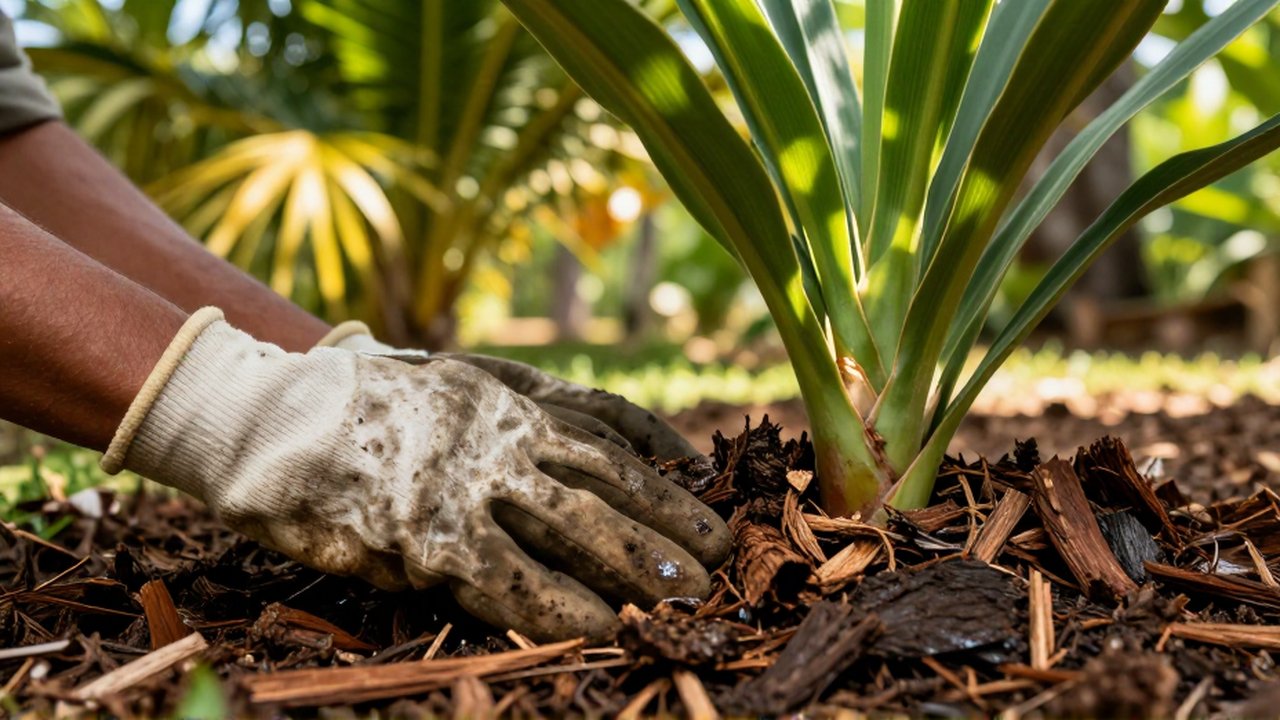
Selecting the appropriate mulch depends on the specific needs of your garden and the type of plants you are cultivating.
| Mulch Type | Best Use | Primary Benefit |
|---|---|---|
| Wood Chips/Bark | Perennials, trees, and shrubs | Long-lasting and excellent for temperature control. |
| Dried Leaves | Flower beds and groundcovers | Mimics natural forest floor; excellent for nutrient recycling. |
| Coconut Husks/Coir | Tropical ornamentals and potted plants | Superior water retention and very lightweight. |
| Compost | Vegetable gardens and young plants | Immediate nutrient boost and soil conditioning. |
Common mistakes to avoid when applying mulch
While organic mulch is highly beneficial, improper application can lead to unintended issues. One frequent mistake is "volcano mulching," which occurs when mulch is piled too high against the trunk of a tree or the stem of a plant. This traps excess moisture against the bark, which can lead to fungal diseases or rot. Always leave a small gap around the base of the plant to allow for air circulation.
Another error is applying a layer that is too thin. A very thin layer will decompose too quickly and fail to provide adequate weed suppression or moisture retention. Conversely, a layer that is excessively thick—exceeding several inches—can actually prevent oxygen from reaching the roots. Aim for a consistent depth of approximately 2 to 4 inches for most garden applications.
Frequently asked questions
How often should I replenish organic mulch? This depends on the material used and your local rainfall. In tropical climates, organic matter decomposes faster due to heat and moisture. You should check your mulch levels every few months and top them up as needed to maintain an even layer.
Can organic mulch harm my plants? If applied correctly, it is almost always beneficial. However, if you use "fresh" wood chips that have not been composted, they may temporarily tie up nitrogen in the soil as they break down. It is generally safer to use well-aged or composted organic matter.
Does mulch help with pest control? Mulch can have a dual effect. While it can sometimes provide a hiding spot for certain insects, its primary role is to suppress weeds which are often the hosts for pests. By maintaining a healthy, balanced soil ecosystem, you create more resilient plants that are better equipped to withstand pest pressures.
Leave a Reply