
Benefits of automatic irrigation systems for home gardens

Introduction
Maintaining a thriving home garden requires consistent moisture, but manual watering is often a time-consuming and inconsistent task. An automatic irrigation system is a programmed setup of pipes, valves, and controllers designed to deliver water to plants without human intervention. These systems are essential for homeowners who want to ensure their vegetation receives the precise amount of hydration required to flourish, regardless of their daily schedule.
Implementing an automated solution is particularly appropriate for those with large outdoor spaces, diverse plant types, or busy lifestyles. By utilizing technology to manage water delivery, you can prevent common gardening pitfalls such as underwatering during heatwaves or overwatering during rainy periods. This transition from manual to automated care represents a significant step toward professional-grade garden management and long-term plant health.
Improved water efficiency and conservation
One of the most significant advantages of automated irrigation is the ability to manage water usage with high precision. Manual watering often leads to significant waste through runoff, uneven distribution, and evaporation. Automatic systems, particularly drip irrigation, deliver water directly to the root zone, minimizing the amount lost to the air or surface evaporation.
Precision is achieved through several technical methods:
- Scheduled watering: Systems can be programmed to run during the early morning or late evening when temperatures are lower, reducing evaporation loss.
- Targeted delivery: Drip lines and micro-sprinklers ensure that water goes exactly where it is needed, rather than soaking entire walkways or driveways.
- Zoning capabilities: Different areas of a garden can be placed on separate zones, allowing for tailored water volumes based on the specific needs of various plant species.
Enhanced plant health and growth consistency
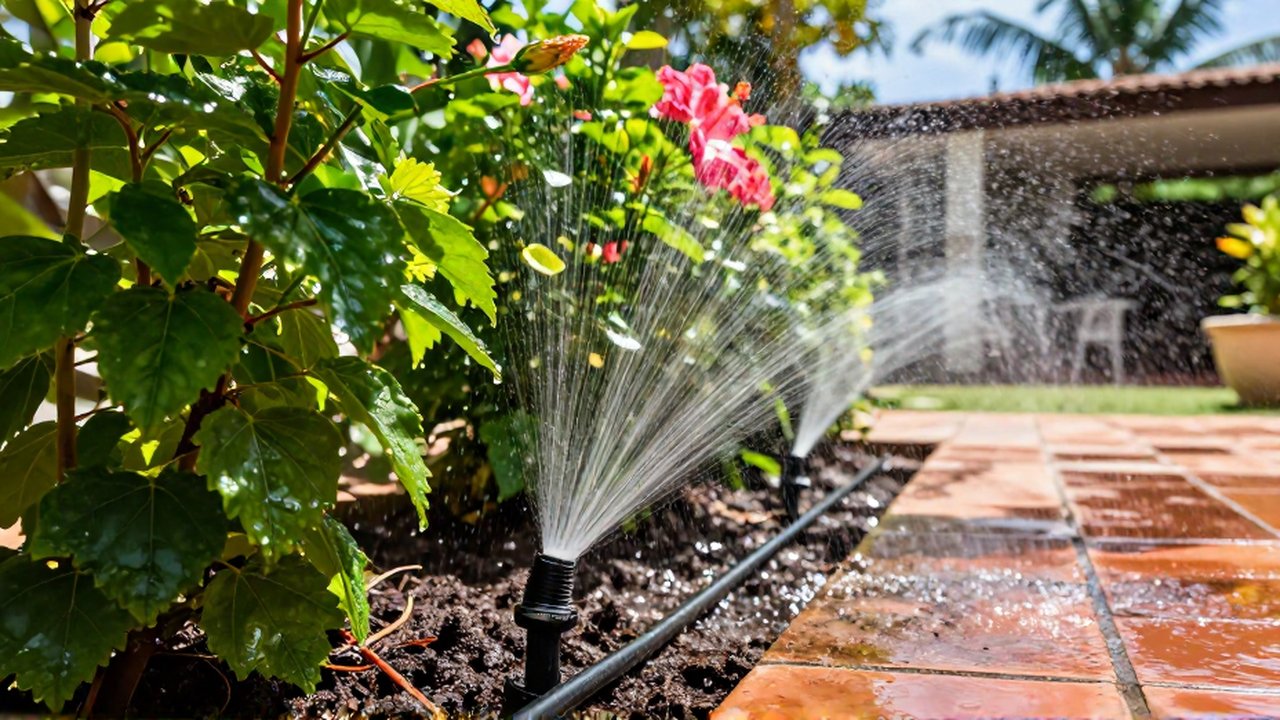
Plants thrive on stability. Frequent fluctuations in soil moisture—moving from bone-dry to oversaturated—can cause physiological stress, leading to stunted growth or susceptibility to disease. Automatic systems provide a consistent moisture profile that allows plants to develop strong, resilient root systems.
By maintaining a regular cycle, you eliminate the risk of "watering fatigue" caused by human error. For example, a gardener might forget to water during a particularly hot week, causing sudden wilting. An automated system follows its programmed logic regardless of the weather or the homeowner’s availability. This consistency is especially vital for delicate ornamental plants, vegetable patches, and manicured lawns that require steady hydration to maintain their aesthetic value.
Time savings and lifestyle convenience
For many homeowners, gardening is a hobby that can sometimes become a demanding chore. Managing a watering schedule for multiple flower beds, shrubs, and lawn areas can take hours every week. Automating this process reclaims that time, allowing you to enjoy your garden rather than working on its basic survival.
The convenience extends beyond daily tasks. If you travel for work or go on vacation, an automatic system ensures your garden remains hydrated in your absence. This provides peace of mind, knowing that your investment in landscaping is protected even when you are not physically present to tend to it.
Comparison of irrigation methods
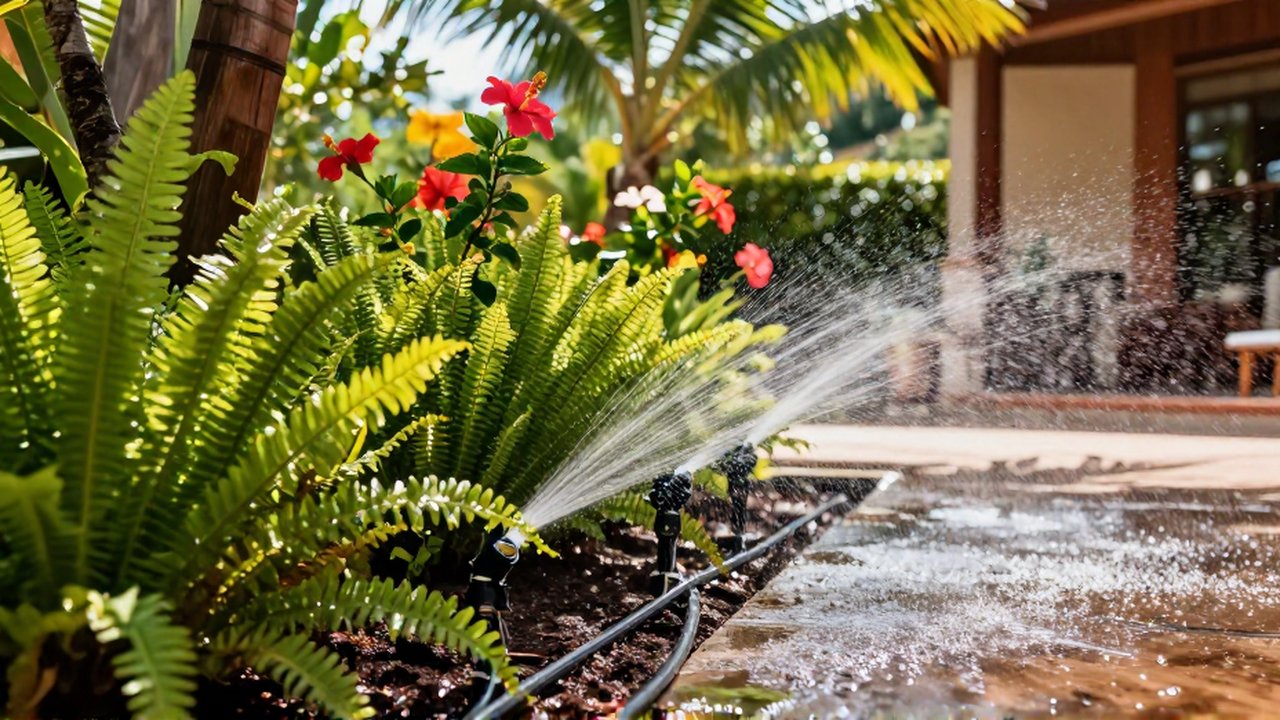
Choosing the right type of automatic system depends on the specific layout and plant types in your garden. The following table outlines common methods used in home irrigation:
| Method | Best Use Case | Primary Benefit |
|---|---|---|
| Drip Irrigation | Flower beds, shrubs, and vegetable gardens | Extreme water efficiency and direct root hydration |
| Sprinkler Systems | Large lawns and open grass areas | Wide coverage for uniform grass health |
| Micro-Sprayers | Potted plants and dense shrubbery | Gentle coverage that mimics natural rainfall |
| Soaker Hoses | Narrow garden borders and rows | Simple setup for linear planting areas |
Common mistakes to avoid during installation
While the benefits are numerous, improper setup can lead to wasted resources or even plant damage. Avoiding these common errors will ensure the system performs as intended:
- Ignoring soil types: Clay soil retains water longer than sandy soil. If the system is not adjusted for your specific soil composition, you risk waterlogging.
- Poorly placed sensors: If using rain sensors, ensure they are placed in an open area where they can accurately detect rainfall. An incorrectly placed sensor might fail to stop the system during a storm.
- Neglecting maintenance: Clogged nozzles or leaking valves can ruin the efficiency of the entire system. Regular inspections are necessary to ensure every zone is functioning correctly.
- Incorrect zoning: Grouping highly thirsty plants with drought-tolerant succulents in the same zone will result in either one group drying out or the other rotting.
Frequently asked questions
How much maintenance do automatic systems require? While they save time on watering, they do require periodic check-ups. You should inspect nozzles for mineral buildup, check for leaks in the connections, and ensure the controller remains functional.
Can automatic systems help save money on water bills? Yes, when installed correctly. By using precision methods like drip irrigation and watering at optimal times, you significantly reduce water waste, which can lead to lower utility costs over time.
Is it difficult to set up a system for a small garden? Not necessarily. There are many modular, "plug-and-play" kits available for small spaces or container gardens that connect easily to standard outdoor faucets and timers.
Will an automatic system work if it rains? If your system is equipped with a rain sensor or a smart controller that integrates local weather data, it will automatically skip scheduled watering cycles during or after rainfall to prevent overwatering.
Leave a Reply