
Best tropical flowers for shade in sunny Caribbean gardens

Introduction
Creating a lush, vibrant landscape in the Caribbean requires a deep understanding of how light interacts with your property. While the tropical sun is a powerful asset, many areas of a garden—such as under large trees, near high walls, or beneath porch eaves—fall into permanent or partial shade. Selecting the right plants for these spots is essential to prevent soil erosion, reduce heat buildup around the home, and ensure a continuous cycle of color throughout the year.
Using shade-tolerant tropical flowers allows you to maximize the aesthetic potential of every corner of your yard. Instead of struggling with scorched leaves or stunted growth from sun-loving species, choosing plants adapted to lower light levels ensures a healthy, resilient garden. This approach not only saves time and money on replacements but also creates diverse microclimates that support local pollinators and provide cooling psychological benefits to your living space.
Top tropical plants for partial shade and dappled light
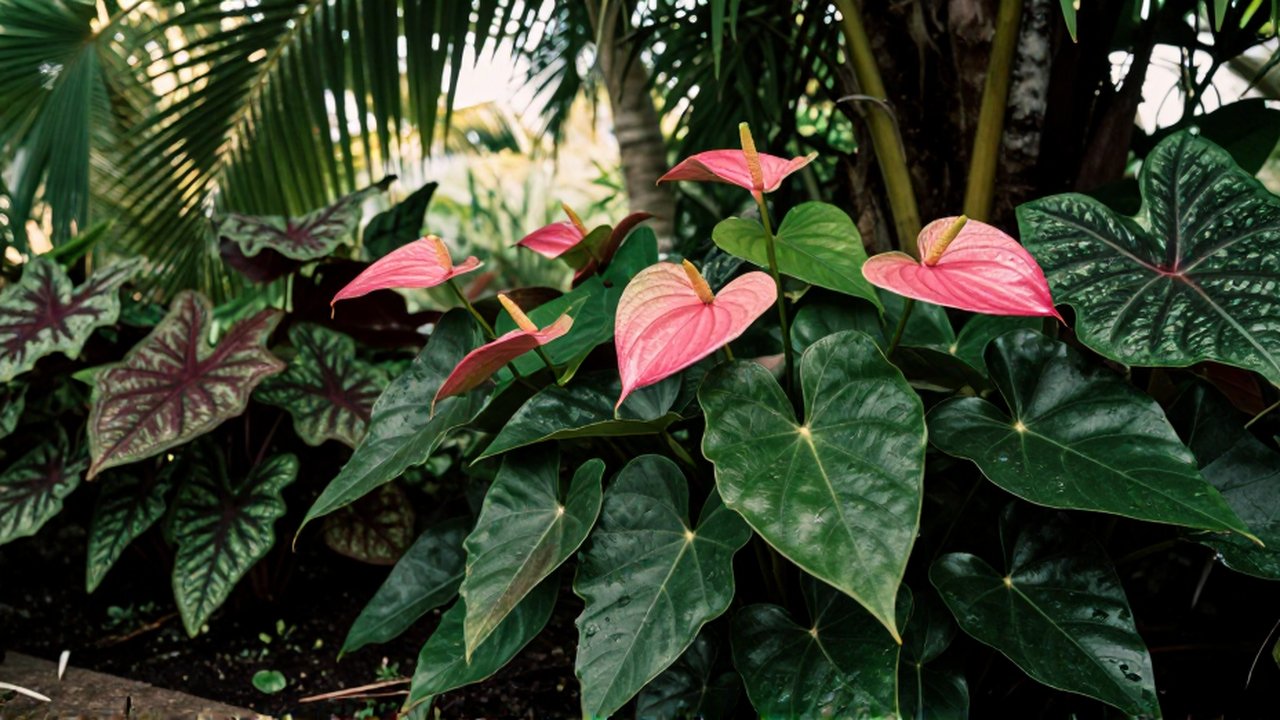
In many Caribbean gardens, "shade" is rarely absolute. Most garden areas experience dappled light, where sunlight filters through the canopy of larger trees. For these transitional zones, plants that can handle a few hours of morning sun but prefer protection during the intense midday heat are ideal.
Bromeliads are perhaps the most iconic choice for shaded Caribbean settings. These epiphytic plants come in an incredible array of colors, from deep reds to electric pinks. They are highly efficient at managing moisture and can be planted in the ground or even mounted on tree trunks to add vertical interest. Because they thrive on humidity, they are perfect for the tropical climate.
Anthuriums are another excellent option for adding structure and color. Known for their waxy, heart-shaped spathes, they provide a sophisticated look that lasts for a long time. They prefer consistent moisture and filtered light, making them perfect for locations that are protected from the direct afternoon sun but still benefit from the warmth of the Caribbean air.
Best flowering species for deep shade areas
For areas that receive very little direct sunlight, such as the north side of a building or under a dense jungle canopy, you must select plants that prioritize foliage or those specifically adapted to low-light flowering.
Caladiums are a standout choice here. While they are primarily grown for their stunning, multicolored leaves—ranging from white and pink to deep green—they contribute significantly to the texture of a shady garden. They thrive in the humid, shaded conditions common in the Dominican Republic and provide a "burst" of color that doesn't rely solely on petals.
Peace Lilies (Spathiphyllum) are highly effective for deep shade. They offer elegant white blooms that stand out sharply against dark green foliage. They are particularly useful for cleaning up the look of dark corners and are relatively easy to maintain if the soil remains consistently moist.
| Plant Name | Light Requirement | Primary Visual Appeal | Maintenance Level |
|---|---|---|---|
| Bromeliads | Dappled / Partial | Colorful centers/leaves | Low |
| Anthuriums | Filtered Light | Waxy, colorful spathes | Moderate |
| Caladiums | Deep Shade | Colorful foliage | Moderate |
| Peace Lily | Deep Shade | White flowers | Moderate |
| Bird of Paradise | Bright / Partial | Exotic flower shape | High |
Essential tips for maintaining shaded tropical gardens
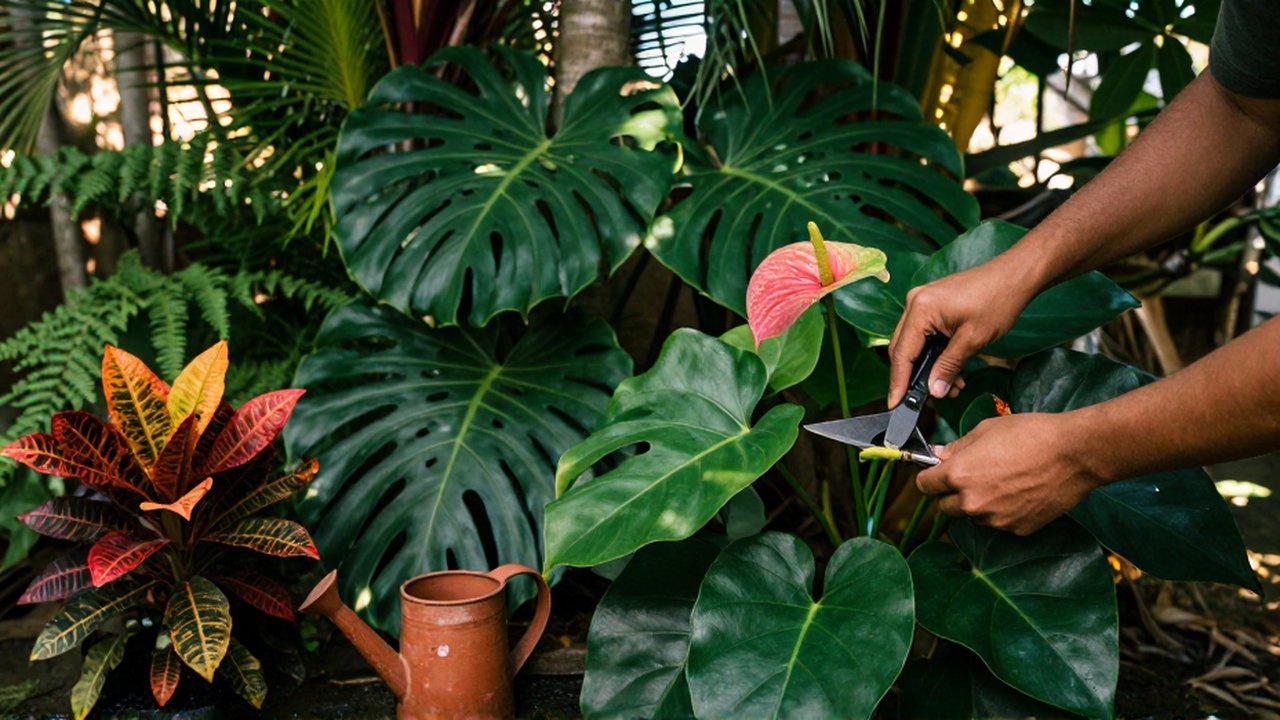
Growing in the shade presents unique challenges, particularly regarding moisture management and soil health. When light is limited, water evaporates more slowly from the ground, which can lead to specific issues if not managed correctly.
One of the most common mistakes is overwatering. Because shaded areas stay damp longer, plants are more susceptible to root rot and fungal diseases. Always check the top inch of soil before adding more water. Additionally, because shaded plants often have softer, thinner leaves, they can be more vulnerable to pests that thrive in humid, low-airflow environments. Ensure your plants are spaced appropriately to allow for air circulation.
Fertilization is also key. Since shade-grown plants may grow more slowly than those in full sun, avoid over-fertilizing, which can lead to salt buildup in the soil. Use organic compost to enrich the soil, which helps maintain the structure and moisture-holding capacity necessary for tropical species to thrive.
Frequently asked questions
Can shade plants survive the Caribbean heat? Yes, many tropical shade plants are specifically adapted to high humidity and warmth. Their "shade" requirement is usually to avoid the direct, scorching intensity of the midday sun, which can burn their leaves, rather than a need for cool temperatures.
How can I tell if my plant is getting too much sun? Look for signs of leaf scorch, such as brown, crispy edges or bleached spots on the foliage. If a plant that thrives in shade begins to look wilted or discolored during the afternoon, it likely needs more protection from direct light.
Do shade plants need more water than sun plants? Not necessarily. While shaded soil stays moist longer, the plants themselves may not require watering as frequently as sun-drenched plants. The key is to monitor the soil moisture rather than following a strict schedule to prevent root rot.
Leave a Reply