
How to start composting in a Dominican Republic home
Introduction
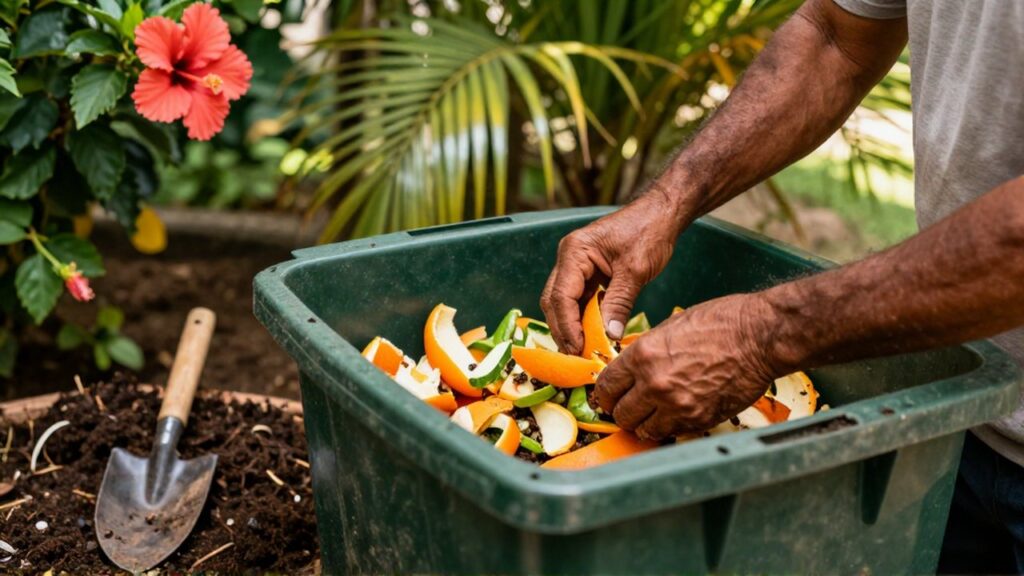
Composting is the natural process of recycling organic matter, such as food scraps and yard waste, into a nutrient-rich soil amendment. In the Dominican Republic, where tropical climates facilitate rapid biological decomposition, composting is an excellent way to reduce household waste, lower landfill contributions, and enrich your garden soil. By capturing nutrients that would otherwise be lost, you create a sustainable cycle that benefits your local ecosystem and your personal plant life.
Implementing a composting system at home is especially beneficial for those living in tropical environments. The consistent warmth and humidity of the island can accelerate the breakdown of organic materials, provided you manage the moisture and aeration levels correctly. Whether you live in a spacious house with a large yard or an apartment with a small balcony, there is a composting method suited to your space.
Starting this practice helps mitigate the odors and pests often associated with decomposing organic waste in high temperatures. It also provides a cost-effective way to maintain lush gardens, vibrant flower beds, and healthy fruit trees without relying heavily on synthetic fertilizers. By following a structured approach, you can transform your kitchen leftovers into "black gold" for your plants.
Benefits of composting in a tropical climate
The warm, humid conditions of the Dominican Republic act as a natural catalyst for the composting process. In many temperate regions, decomposition slows down significantly during the winter; however, in a tropical setting, the microorganisms responsible for breaking down matter remain active year-round. This allows for faster turnover of compost, meaning you can produce usable soil amendment more frequently.
Beyond the speed of production, composting offers significant advantages for the home environment. It improves the structure of tropical soils, which can sometimes be sandy or heavy with clay, by increasing their ability to retain moisture and essential nutrients. For gardeners, this means healthier plants that are more resilient to the intense Caribbean sun and sudden heavy rainfall.
Choosing the right composting method for your space
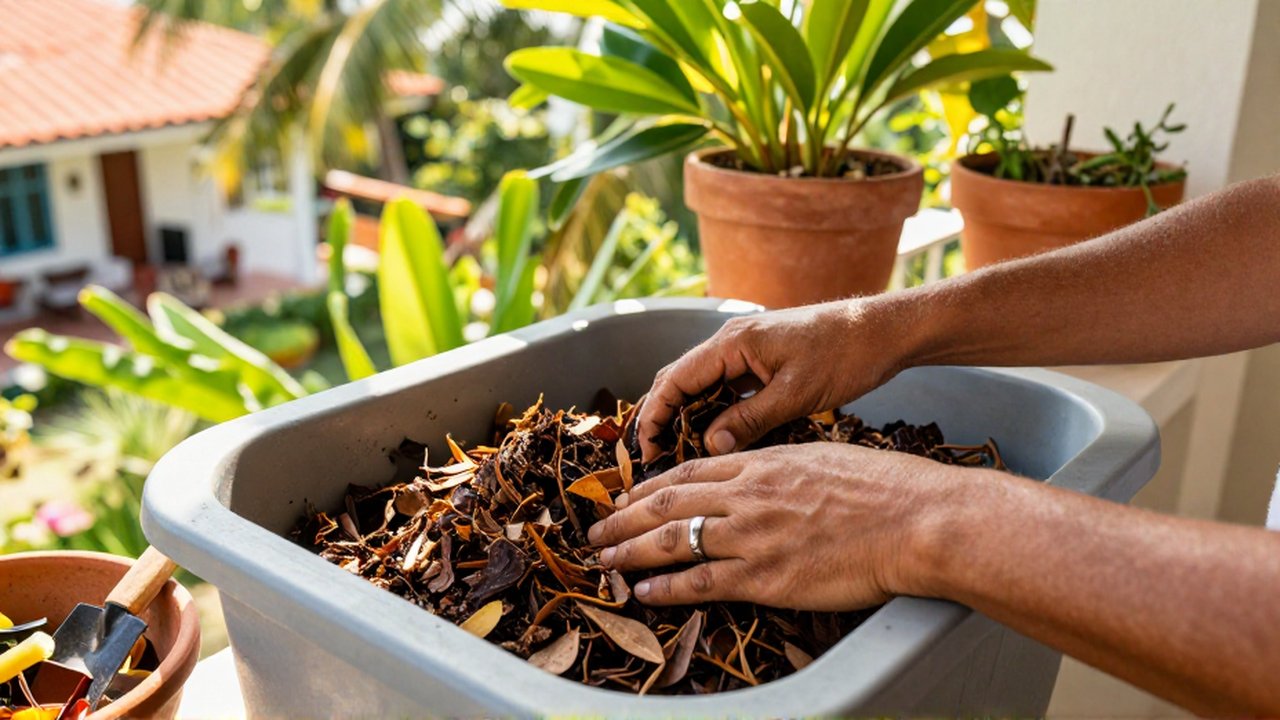
The first decision you must make is selecting a method that fits your specific residential setting. Your choice will depend on available square footage, the amount of waste produced, and your level of commitment to maintenance.
Large yard or garden space If you have a significant outdoor area, a traditional open pile or a compost bin is the most efficient choice. These methods allow for large volumes of yard waste, such as fallen leaves and grass clippings, to be processed alongside kitchen scraps. A wooden or plastic bin helps keep the pile contained and can deter some local wildlife.
Small patios or urban balconies For those living in apartments or homes with limited outdoor space, vermicomposting (using worms) or bokashi composting is highly recommended. Vermicomposting uses specific worm species to break down organic matter in small, contained bins, making it virtually odorless if managed correctly. Bokashi is a fermentation process that occurs in an airtight container, allowing you to process even certain types of meat and dairy that are typically excluded from traditional piles.
Essential components of a healthy compost pile
To achieve successful decomposition, you must balance two main categories of materials: "Greens" and "Browns." A successful compost pile requires a specific ratio to prevent odors and ensure proper aeration.
Green materials (Nitrogen-rich) These provide the protein necessary for the microorganisms to grow and multiply. Examples include:
- Fruit and vegetable scraps
- Coffee grounds and filters
- Fresh grass clippings
- Green plant trimmings
Brown materials (Carbon-rich) These provide the energy source for the microbes and help create air pockets within the pile. Examples include:
- Dried leaves
- Cardboard (shredded)
- Small twigs and woody debris
- Paper scraps
A general rule of thumb is to use more "browns" than "greens" by volume. In the Dominican Republic, where green waste can accumulate quickly during the rainy season, having a steady supply of dry browns (like dried coconut husks or dried fallen leaves) is crucial to prevent the pile from becoming a soggy, smelly mess.
Step by step guide to starting your first pile
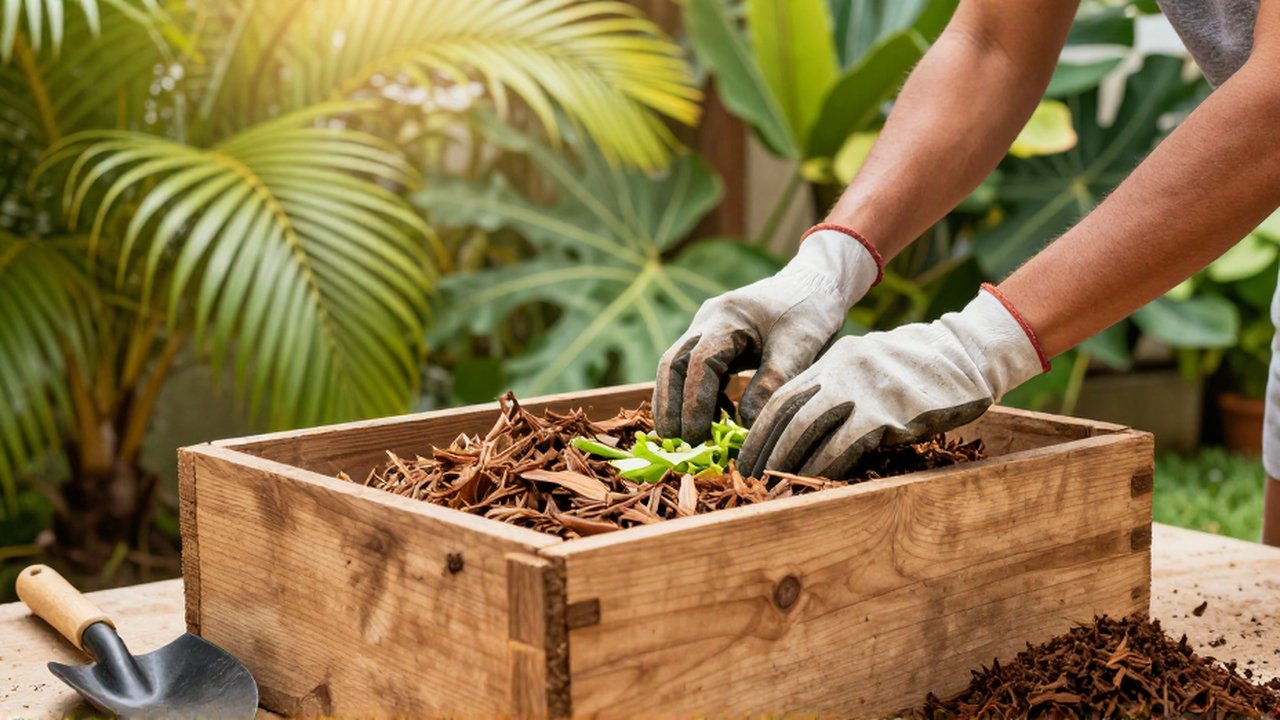
- Select a location: Choose a spot that is easy to access but slightly shielded from extreme direct sun to prevent the pile from drying out too quickly. Ensuring the site has good drainage is vital to prevent waterlogging during heavy tropical rains.
- Prepare the base: Start with a layer of coarse "brown" materials, such as small twigs or straw. This promotes airflow at the bottom of the pile, which is essential for aerobic decomposition.
- Layer the materials: Add your kitchen scraps (greens) and immediately cover them with a thicker layer of carbon-rich materials (browns). This "sandwiching" technique helps trap odors and prevents flies from being attracted to the fresh food waste.
- Maintain moisture and air: Your compost should feel like a wrung-out sponge. If it is too dry, add a little water; if it is too wet, add more dry browns. Turn the pile with a shovel or pitchfork every week or two to introduce oxygen, which speeds up the process and prevents anaerobic conditions.
- Harvest the compost: Once the material at the bottom of the pile is dark, crumbly, and smells like earthy soil, it is ready to be used in your garden.
Common mistakes to avoid
One of the most frequent errors is including materials that attract pests or create foul odors. Never add meat, bones, fats, oils, or dairy to a traditional open compost pile, as these will decompose slowly and attract rodents or insects. Similarly, avoid adding pet waste or weeds that have already gone to seed, as the heat of a home compost pile may not always be high enough to kill those seeds or pathogens.
Another common mistake is neglecting the balance of moisture. In the Dominican Republic, the high humidity can lead to a pile becoming too wet, especially during the hurricane season. An oversaturated pile will lack oxygen, leading to a sour smell. Always keep a supply of dry leaves or shredded cardboard nearby to quickly correct the moisture levels if the pile becomes too damp.
Frequently asked questions
How long does it take to get finished compost? Depending on the method and how often you turn the pile, it can take anywhere from a few months to a year. Managed piles in tropical heat tend to move faster than those in cooler climates.
Does composting attract pests like rats or flies? If you balance your greens and browns correctly and avoid adding meat or oils, pests are unlikely to be an issue. Covering food scraps with a layer of dry leaves or soil is a highly effective preventative measure.
Can I compost in an apartment without a yard? Yes, vermicomposting (worm bins) or the Bokashi method are specifically designed for small spaces and can be kept indoors or on a small balcony with minimal odor.
How do I know when my compost is ready? Ready compost should be dark, crumbly, and have an earthy smell. You should not be able to recognize the original food scraps or leaves that were put into the pile.
Leave a Reply