
Benefits of pruning garden plants for pest control
Introduction
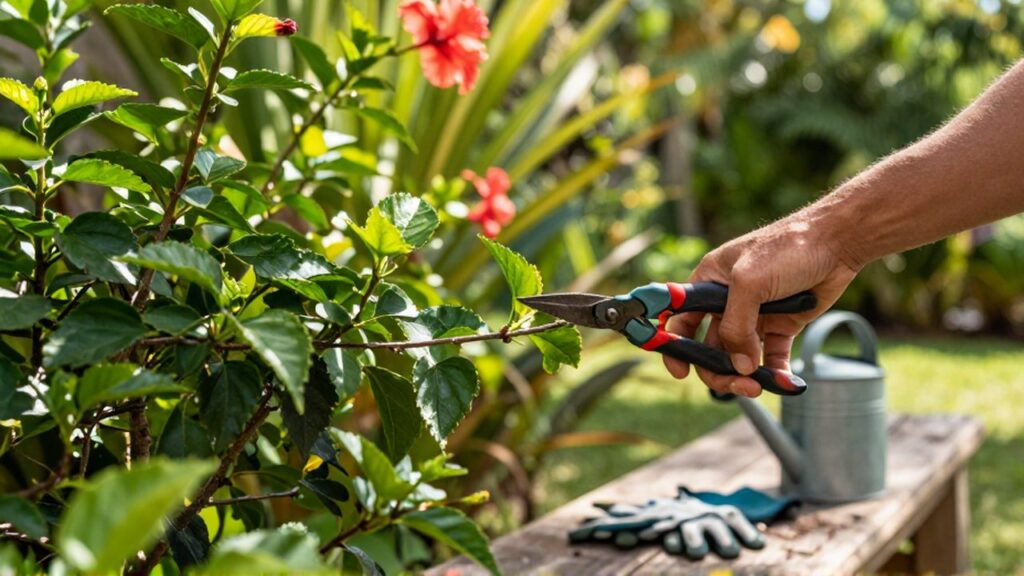
Pruning is a fundamental gardening practice that involves the selective removal of specific plant parts, such as branches, buds, or diseased stems. While many gardeners prune to encourage growth or improve aesthetics, one of its most significant advantages is its role in proactive pest management. By strategically shaping your plants, you can disrupt the life cycles of harmful insects and create an environment that is less hospitable to infestations.
This practice is particularly important in tropical and humid climates, where dense foliage can quickly become a breeding ground for pests. Pruning should be done regularly throughout the growing season, focusing on removing dead wood, thinning out crowded areas, and eliminating diseased tissue. When executed correctly, it serves as a natural defense mechanism that reduces the need for chemical interventions and promotes a healthier, more resilient garden ecosystem.
Improving airflow and reducing humidity
One of the primary ways pruning helps control pests is by optimizing air circulation within the plant canopy. Many common garden pests, such as aphids, spider mites, and various fungal pathogens, thrive in stagnant, humid environments. When plants grow too densely, the interior leaves are shielded from wind, causing moisture to linger on the foliage.
By thinning out the center of a shrub or removing overlapping branches, you allow air to move more freely through the plant. This increased airflow helps the leaves dry more quickly after rain or dew, lowering the localized humidity that pests rely on to reproduce. A well-ventilated plant is much less likely to host the damp, dark microclimates that attract many soft-bodied insects and mold-forming organisms.
Increasing sunlight penetration

Sunlight is a natural deterrent for many types of garden pests that prefer shade and dampness. When a plant becomes overly bushy or overgrown, the inner structure is often plunged into deep shade, creating a protected sanctuary for hiding insects. Pruning allows sunlight to reach the interior parts of the plant, which provides several protective benefits:
- Thermal regulation: Direct sunlight can increase the temperature of the foliage, making it less comfortable for temperature-sensitive pests.
- Visual inspection: Better light penetration makes it easier for you to spot early signs of infestation, such as egg clusters or larvae, hidden deep within the foliage.
- Plant vigor: Increased light promotes photosynthesis, which strengthens the plant's natural immune response to insect damage.
Eliminating hiding spots and breeding grounds
Overgrown plants offer numerous "hiding spots" where pests can go unnoticed by both the gardener and natural predators. Pruning helps simplify the plant's architecture, making it harder for pests to establish permanent colonies.
Dense, tangled branches provide ideal shelter for larger pests and can also house nests for insects that damage plant tissue. Furthermore, dead or decaying wood is a magnet for wood-boring insects and various larvae. By consistently removing deadwood and thinning out the "clutter" of a plant, you remove the physical infrastructure these organisms need to survive and multiply. This proactive removal effectively reduces the population density of pests before they can cause significant damage.
Managing disease transmission

In many cases, what appears to be a pest problem is actually a fungal or bacterial issue that is being exacerbated by insect activity. Insects often act as vectors, carrying pathogens from one plant to another as they move through the garden. Removing diseased branches through pruning serves a dual purpose: it stops the spread of the pathogen and removes the weakened tissue that pests are most likely to attack.
| Pruning Action | Primary Benefit | Target Issue |
|---|---|---|
| Thinning branches | Enhances airflow | High humidity and fungal growth |
| Removing deadwood | Eliminates shelter | Wood-boring insects and decay |
| Cutting diseased stems | Interrupts cycles | Pathogen spread and pest attraction |
| Heading back growth | Increases light | Shade-loving pests and mites |
Common mistakes to avoid during pruning
While pruning is beneficial, improper technique can accidentally create more problems. One common mistake is "over-pruning," which can stress the plant and make it more susceptible to opportunistic pests. A stressed plant has fewer resources to defend itself.
Another mistake is using dull or dirty tools. Using unsterilized shears can spread diseases directly into the "wounds" of the plant. Always clean your tools with alcohol or a mild disinfectant between plants to ensure you are not transferring pests or pathogens from an infested area to a healthy one. Finally, avoid pruning during the peak of a heavy pest outbreak without a plan, as the sudden release of plant sap can sometimes attract even more insects to the area.
Frequently asked questions
How often should I prune for pest control? It depends on the plant species, but regular maintenance is key. A light thinning once or twice during the growing season is often more effective for pest management than one heavy pruning session per year.
Can pruning attract more insects to my garden? In the short term, pruning can release scents and sap that might attract certain insects. However, the long-term benefit of improved airflow and sunlight far outweighs this temporary effect.
Do I need special tools for effective pruning? Sharp, clean bypass pruners are essential for most tasks. For thicker branches, loppers may be required. The most important factor is ensuring the tools are clean to prevent the spread of disease.
Is pruning effective against all types of pests? Pruning is highly effective against pests that thrive in humidity or shade, such as mites, scale, and many fungi. It is less effective against mobile pests like caterpillars or large beetles, though it can still help by making them easier to spot.
Leave a Reply