
Best battery types for solar energy storage in the DR
Introduction
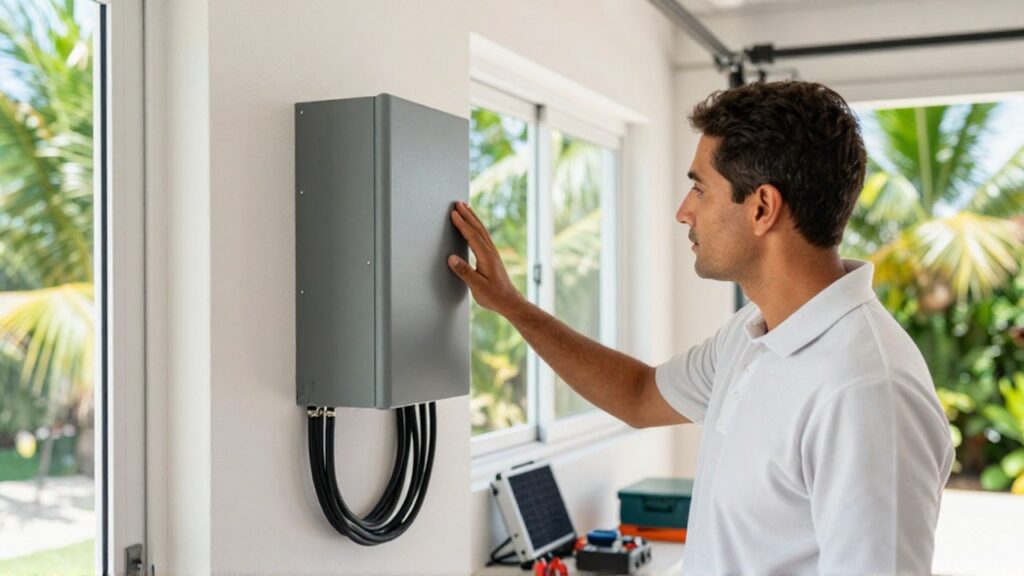
Selecting the right battery type is a critical step in designing an effective solar energy system in the Dominican Republic. As the country faces fluctuating electricity costs and occasional grid instabilities, residential and commercial users rely on solar storage to ensure a continuous supply of power. A battery system allows you to capture excess energy generated during peak sunlight hours and use it during the night or during power outages.
The effectiveness of your solar investment depends heavily on choosing a storage technology that can withstand the local environment. The Dominican Republic presents specific challenges, such as high ambient temperatures and high humidity levels, which can significantly impact the lifespan and efficiency of different chemical compositions. Understanding the technical differences between available options is essential for maximizing your return on investment and ensuring long-term energy security.
Common battery technologies for solar storage
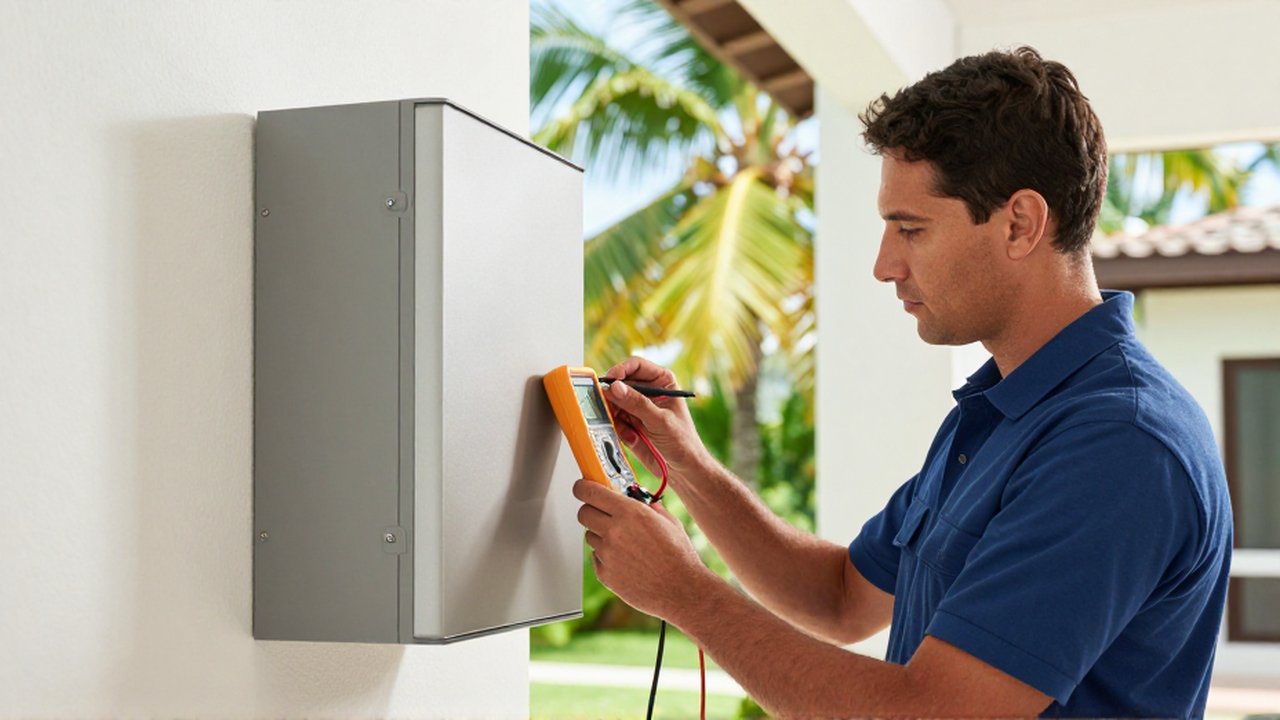
There are several types of batteries available in the market, each with distinct chemical compositions that dictate their performance. The most common technologies used in solar installations are Lead-Acid and Lithium-Ion.
Lead-Acid Batteries This is one of the oldest and most traditional technologies. They are widely available and generally require a lower upfront investment compared to newer alternatives. Within this category, you will find flooded lead-acid batteries and Sealed Lead-Acid (SLA) or Absorbent Glass Mat (AGM) batteries. While they are reliable for basic needs, they have a lower depth of discharge, meaning you should not drain them completely if you want them to last.
Lithium-Ion Batteries Lithium-ion technology has become the industry standard for modern solar installations. These batteries are known for their high energy density, allowing them to store more power in a smaller footprint. They also support a much higher depth of discharge, meaning you can use a larger percentage of the stored energy without damaging the battery. This makes them highly efficient for homes that rely on solar energy as their primary power source.
Lithium Iron Phosphate (LiFePO4) A specific subtype of lithium technology, LiFePO4 is gaining massive popularity in tropical climates. These batteries are chemically more stable than standard lithium-ion (NMC) cells, making them safer and less prone to thermal runaway. They also tend to offer a higher number of charge-discharge cycles, which translates to a longer operational life for the system.
Comparison of battery characteristics
To make an informed decision, it is helpful to compare how these technologies perform across key metrics relevant to solar energy users.
| Feature | Lead-Acid (AGM/Gel) | Lithium-Ion (NMC) | Lithium Iron Phosphate (LiFePO4) |
|---|---|---|---|
| Initial Cost | Low | High | High |
| Lifespan (Cycles) | Low to Moderate | Moderate to High | Very High |
| Depth of Discharge | 50% recommended | 80% - 90% | 90% - 100% |
| Efficiency | Moderate | High | Very High |
| Temperature Tolerance | Sensitive | Moderate | High |
Decision criteria for the Dominican climate
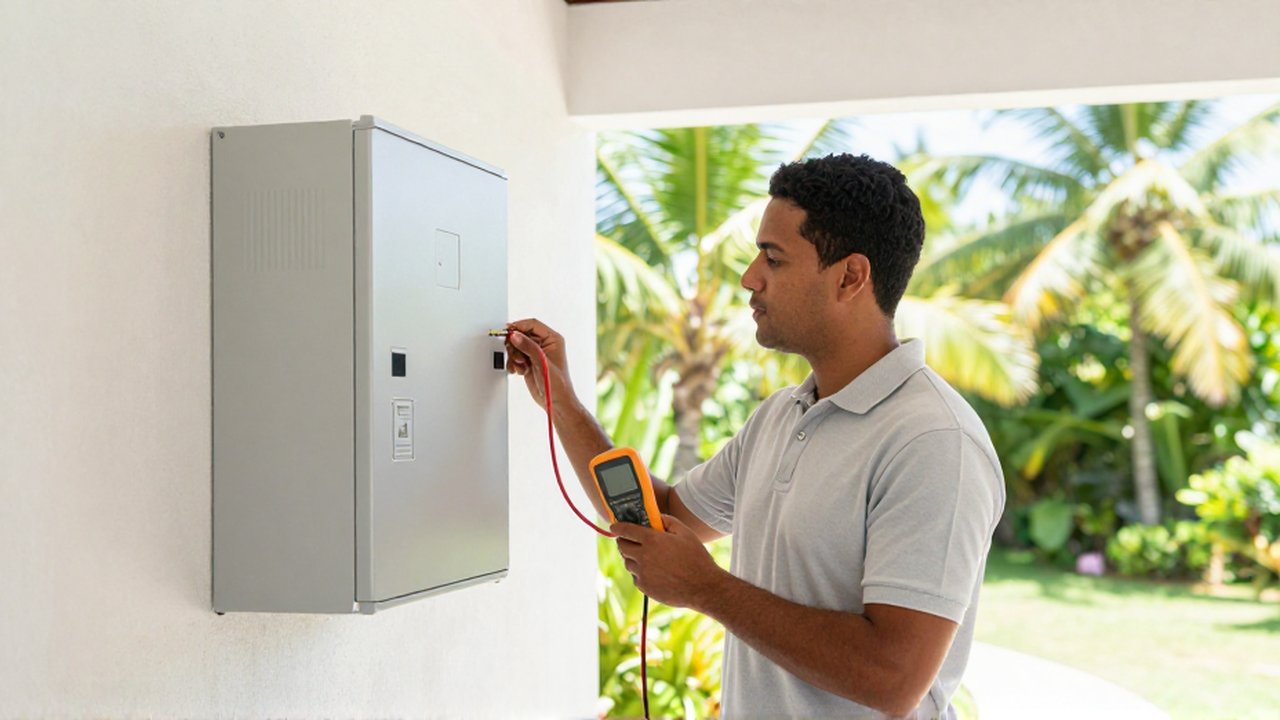
When choosing a battery for use in the Dominican Republic, you must consider environmental factors that go beyond simple cost comparisons.
Temperature and Heat Management High ambient temperatures can accelerate the degradation of battery chemistry. Lead-acid batteries can suffer from "outgassing" or electrolyte loss if not properly ventilated, while certain lithium chemistries can become unstable if they overheat. LiFePO4 is often preferred in warmer regions because it manages heat more effectively and maintains stability even when temperatures rise.
Cycle Life and Longevity In a solar setup, batteries are charged and discharged daily. This constant movement of energy consumes the battery's "cycle life." If your goal is to have a system that lasts 10 years or more without significant replacement, investing in high-cycle lithium technology is often more economical in the long run, despite the higher initial price tag.
Space and Installation Requirements If you are looking to install your storage system in a garage, utility room, or a confined indoor space, the footprint matters. Lithium batteries are much more compact than lead-acid banks, which require much larger enclosures to achieve the same amount of stored kilowatt-hours (kWh).
Maintenance and environmental precautions
Proper maintenance is necessary to ensure that your chosen battery type performs as expected and reaches its maximum rated lifespan.
For lead-acid systems, regular monitoring of voltage levels and ensuring proper ventilation is vital to prevent the buildup of gases and to avoid permanent damage from deep discharging. In the Dominican Republic, the humidity can also lead to corrosion on terminal connections, so keeping contact points clean and dry is a standard preventive measure.
For lithium-based systems, maintenance is much lower as they use a Battery Management System (BMS) to regulate charging and discharging. However, it is still essential to ensure the installation environment is well-ventilated to prevent heat accumulation. Avoiding installations in areas directly exposed to intense sunlight or extreme tropical moisture will help protect the electronic components of the battery.
Frequently asked questions
Which battery is cheaper to install initially? Lead-acid batteries generally have a much lower upfront cost, making them more accessible for smaller budgets or temporary setups. However, they often require more frequent replacement than lithium options.
Can I mix different types of batteries in one system? No, you should never mix different battery chemistries or different capacities in the same battery bank. Mixing them can lead to uneven charging, reduced efficiency, and potential damage to the batteries.
How does humidity affect solar batteries? High humidity can cause corrosion on the terminals and electrical connections, leading to increased resistance and energy loss. It can also affect the internal components of the Battery Management System in lithium batteries if they are not properly rated for tropical environments.
How long do lithium batteries typically last? While it depends on usage and temperature, modern lithium-based batteries (especially LiFePO4) are designed to last many years, often providing thousands of charge cycles before their capacity significantly diminishes.
Leave a Reply