
How to prepare a garden for hurricane season
Introduction
Preparing your garden for hurricane season is a critical component of tropical home maintenance in the Dominican Republic. Because high winds and torrential rains are inevitable during this period, an unmanaged landscape can transform from a beautiful asset into a significant safety hazard. Taking proactive steps helps mitigate the risk of property damage, protects your plant investments, and prevents debris from clogging drainage systems or damaging your home's structure.
Effective preparation begins well before the first storm warning is issued. By assessing your landscape, pruning high-reaching branches, and securing loose decorative items, you create a resilient environment that can withstand extreme weather. This process is not just about saving plants; it is about ensuring the safety of your household and reducing the long-term costs associated with storm recovery and landscaping repairs.
Assess plant health and structural integrity
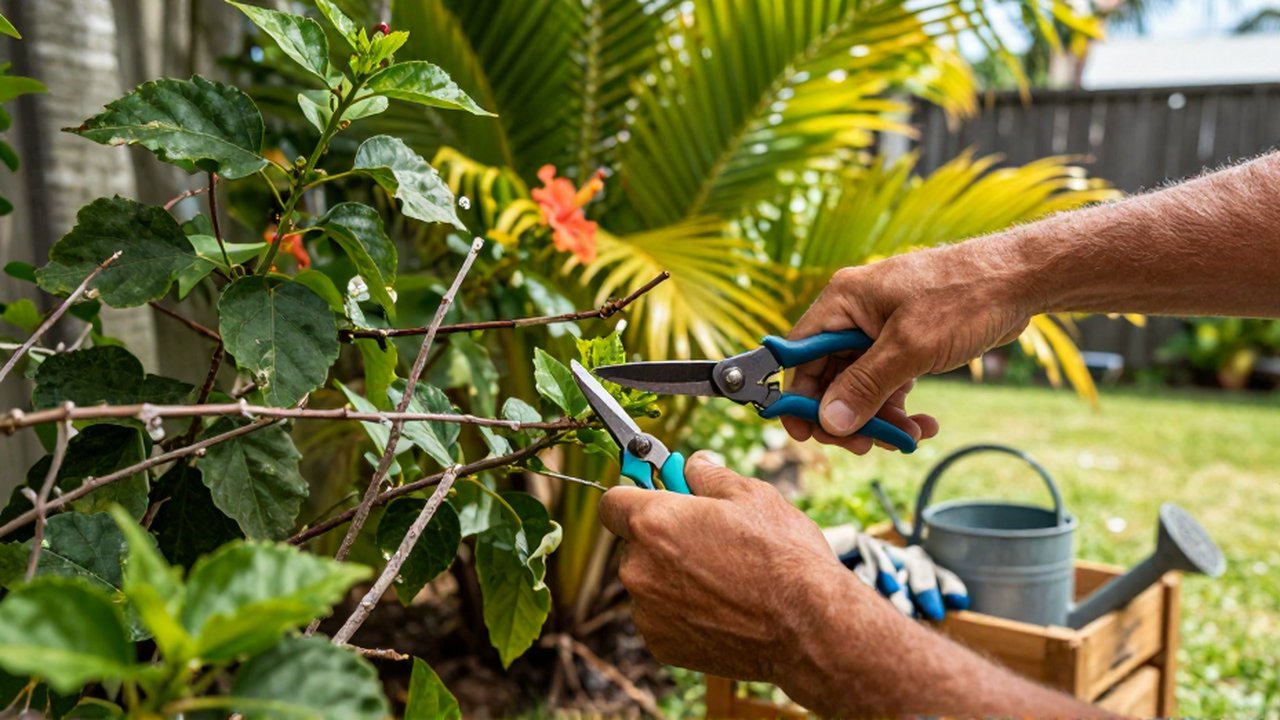
The first step in hurricane readiness is a thorough inspection of every living element in your garden. Trees and large shrubs are the most significant risks during a storm. Look for signs of disease, decay, or structural weakness, such as hollow trunks, deeply cracked bark, or fungal growth at the base. A compromised tree is much more likely to fall during high winds, potentially causing catastrophic damage to your roof or power lines.
Pruning is one of the most effective ways to safeguard your landscape. Focus on removing dead, diseased, or broken branches that could become projectiles. Additionally, consider "thinning out" the canopy of large trees. By removing some of the inner branches, you allow wind to pass through the tree more easily, reducing the "sail effect" that often causes trees to uproot. However, avoid heavy pruning too close to the storm season, as fresh cuts can leave plants vulnerable to pests and disease.
Secure loose objects and garden decor
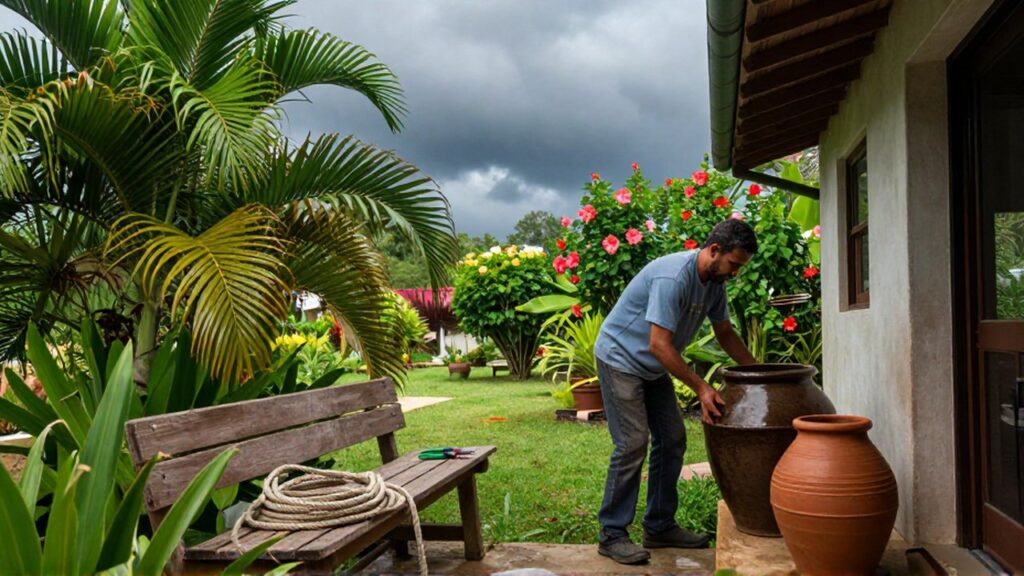
A hurricane brings more than just wind; it brings flying debris. Any object in your garden that is not anchored to the ground can become a dangerous projectile. This includes lightweight plastic pots, garden furniture, bird feeders, wind chimes, and decorative stone statues. Even medium-sized items can be moved by intense gusts, causing damage to windows, doors, or vehicles.
Create a protocol for securing or storing these items. Heavy ceramic pots can be moved to a sheltered area, such as a garage or a covered porch, or weighed down with heavy stones. Lightweight items should be brought indoors entirely. If certain decorative elements are too heavy to move, ensure they are securely fastened to a stable base. This systematic approach to "clearing the decks" minimizes the chaos that follows a storm.
Manage irrigation and drainage systems
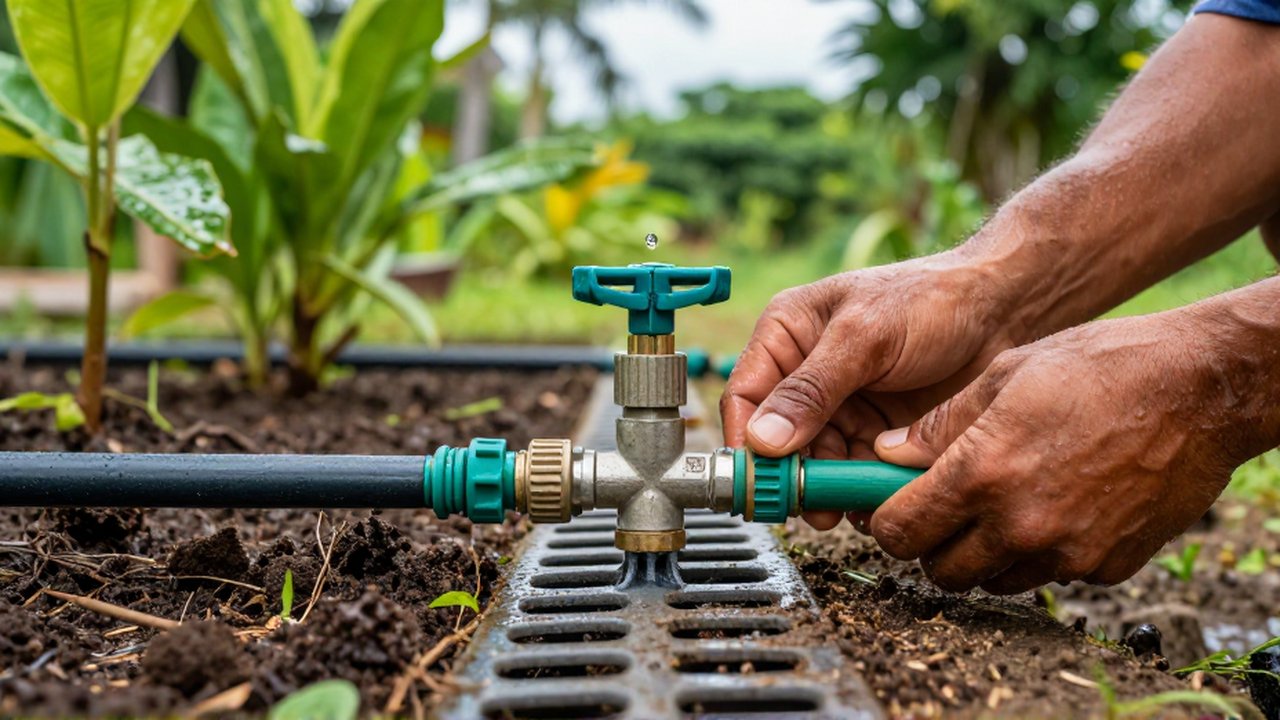
Heavy rainfall is a hallmark of hurricane season, and poor drainage can lead to soil erosion, flooded garden beds, and foundation issues for your home. Before the season reaches its peak, inspect your garden's drainage capacity. Clear all gutters, downspouts, and drainage channels of leaves, silt, and debris to ensure water flows away from your house and garden structures.
| Feature | Maintenance Action | Purpose |
|---|---|---|
| Drainage Pipes | Clear out sediment and organic matter | Prevents flooding and soil erosion |
| Garden Beds | Level uneven soil and check for pooling | Manages water runoff and prevents rot |
| Irrigation Systems | Inspect for leaks and secure heads | Prevents unnecessary water waste and damage |
| Retaining Walls | Check for cracks or shifting | Ensures structural stability against water pressure |
If you have raised beds, ensure they are structurally sound. Waterlogged soil becomes much heavier, and the pressure from saturated earth can cause walls to buckle. For potted plants, ensure they are placed in areas where water will not pool excessively, which can lead to root rot or the tipping of the pots.
Protect vulnerable plants and soil
Not all plants are created to withstand high winds. Tropical flowers, succulents, and young saplings are particularly vulnerable. If you have prized specimens in containers, move them to a more sheltered location, such as against a wall or under a sturdy overhang. If they must remain outside, consider grouping them together to create a windbreak, though this should not be a substitute for moving them to safety.
To prevent soil erosion during intense downpours, consider using mulch. A thick layer of organic mulch can help stabilize the soil and absorb some of the impact of falling rain. However, avoid using large chunks of bark that could be washed away; instead, use finer materials that adhere better to the ground. For very small or fragile plants, temporary protection like mesh covers or even simple wooden stakes can provide much-needed support.
Frequently asked questions
Should I fertilize my plants right before a hurricane? No, you should avoid fertilizing right before a storm. Fertilization encourages new, soft growth, which is much more susceptible to wind damage and breakage. It is better to let plants remain in a stable state.
Is it better to leave large pots in the garden or move them? Ideally, they should be moved to a sheltered area. If they are too heavy to move, ensure they are placed on level ground and consider bracing them against a wall to prevent them from tipping over in strong gusts.
How can I tell if a tree is at risk of falling? Look for leaning trunks, large cracks in the main stem, visible decay or mushrooms at the base, and roots that are lifting out of the soil. If a tree looks unstable, it is best to consult a professional arborist.
What should I do with my garden tools after a storm? Once it is safe to go outside, clear away any fallen branches or debris. Check your tools for damage and clean them thoroughly, especially if they were exposed to mud or saltwater, to prevent rust and degradation.
Leave a Reply