
How to store gasoline safely for emergency generators
Introduction
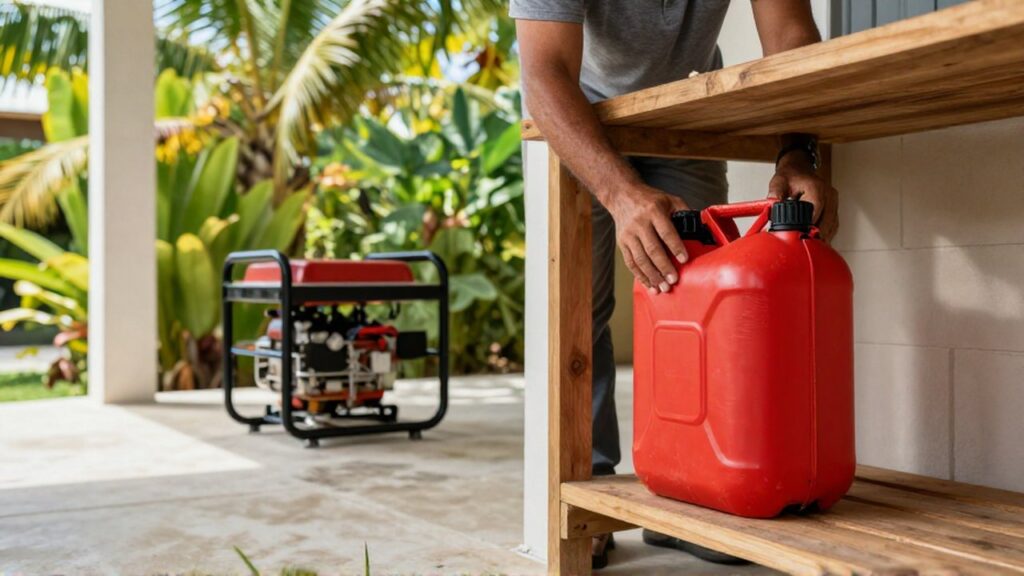
Having a reliable emergency generator is a critical part of home preparation, especially in regions prone to power outages and tropical storms. However, a generator is only as useful as the fuel available to run it. Storing gasoline correctly is essential to ensure that your equipment starts instantly when a blackout occurs and to prevent dangerous accidents within your household.
Proper fuel management involves more than just buying extra cans. It requires understanding how gasoline degrades over time, how to prevent evaporation, and how to mitigate fire and health risks. If fuel is stored improperly, it can become unusable due to oxidation or become a significant hazard to your family and property.
Learning the correct protocols for storage allows you to maintain a ready-to-use energy reserve. By following specific guidelines regarding container types, environmental conditions, and rotation cycles, you can ensure that your emergency preparedness plan remains effective and safe throughout the year.
Essential equipment for fuel storage
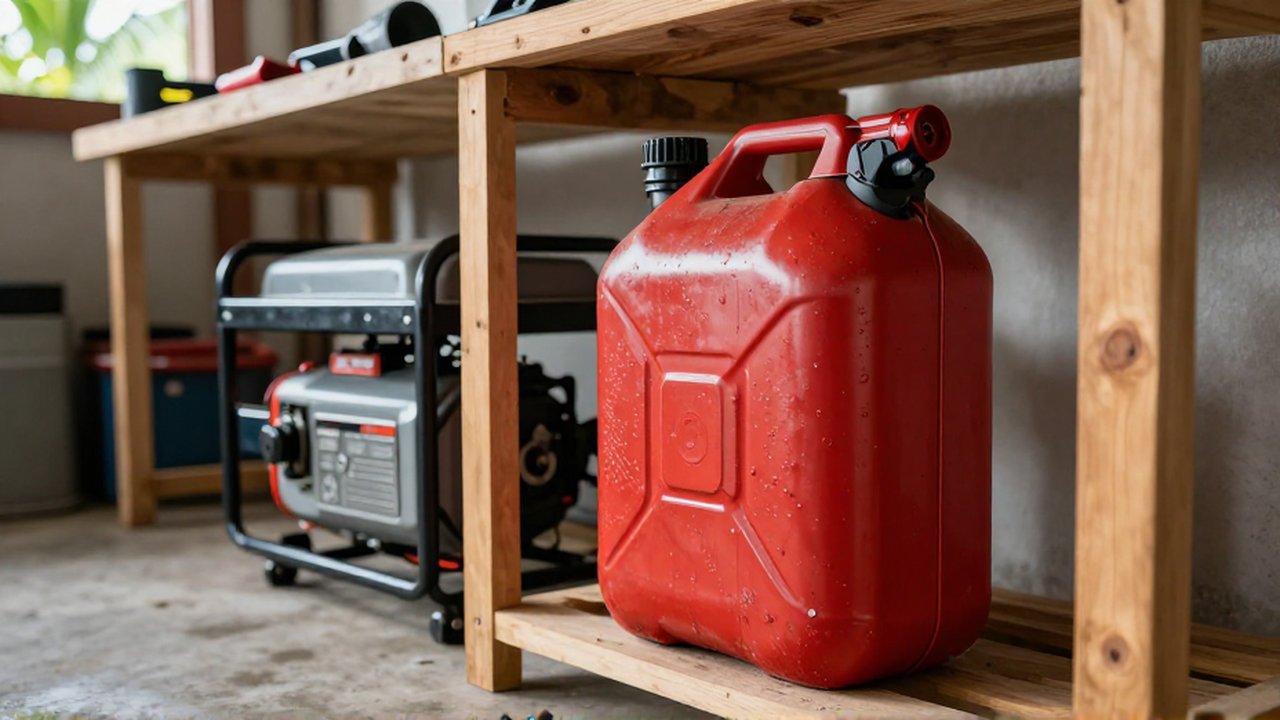
The first step in safe storage is selecting the right containers. Never use milk jugs, plastic water bottles, or any containers not specifically designed for flammable liquids. Standard plastic containers can degrade when exposed to gasoline, leading to leaks that create both a fire hazard and toxic fumes.
The most reliable options are certified safety cans made of high-density polyethylene (HDPE) or heavy-duty metal. Metal cans are often preferred for long-term storage because they are more resistant to the permeation of vapors, but they must be kept in a way that prevents rust. Always ensure the container has a tight-sealing lid and a spout designed to minimize spills during pouring.
Before filling any container, inspect it for cracks, dents, or signs of wear. A compromised container is a liability that can lead to environmental contamination or an uncontrolled fire.
Ideal storage conditions and locations
Where you keep your gasoline is just as important as what you keep it in. Gasoline vapors are heavier than air and can settle in low-lying areas, creating an invisible explosion risk. Therefore, fuel should never be stored inside the main living areas of a house, such as kitchens, bedrooms, or hallways.
The best location is a detached structure, such as a garden shed or a dedicated outdoor storage locker. If you must store fuel near the house, ensure the area is well-ventilated and far away from any sources of ignition, including water heaters, electrical panels, or pilot lights.
Temperature and sunlight also play significant roles in safety and fuel quality. Direct sunlight can cause the pressure inside a container to build up, potentially leading to leaks or container failure. Store your fuel in a cool, dry, and shaded area to minimize evaporation and chemical breakdown.
Maintenance of fuel quality over time
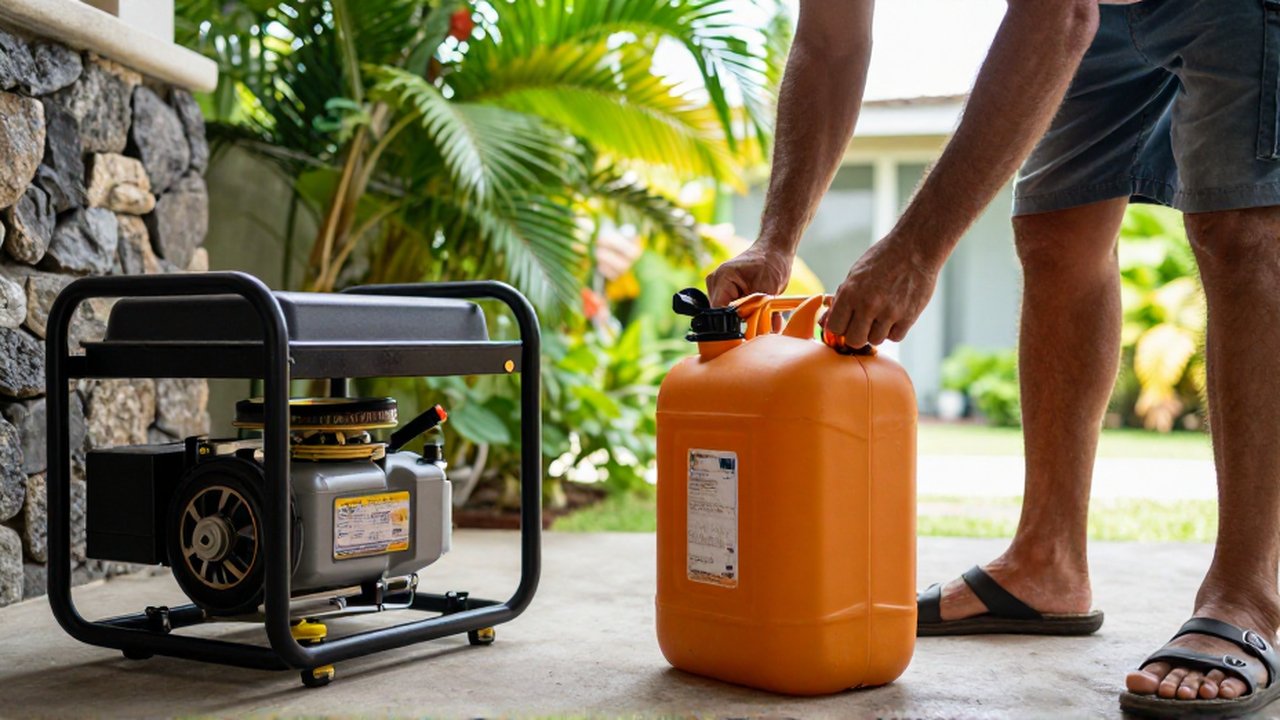
Gasoline is a volatile substance that begins to degrade the moment it is produced. Over time, the light components of the fuel evaporate, and the remaining mixture can become "stale." Stale gasoline can clog the carburetor of your generator, leading to difficult starts or total engine failure during an emergency.
To maintain fuel readiness, implement a rotation system. Do not simply let old fuel sit for a year; instead, use the fuel for routine tasks and replace it with fresh fuel periodically. Depending on the type of fuel and the container used, gasoline typically remains stable for a few months.
| Storage Method | Estimated Reliability | Recommended Action |
|---|---|---|
| Fresh gasoline in standard cans | 1 to 3 months | Rotate frequently |
| Gasoline with fuel stabilizer | 6 to 12 months | Add stabilizer immediately after purchase |
| Stale/Old gasoline | Highly unreliable | Drain and replace before use |
Using a fuel stabilizer is a highly effective way to extend the life of your reserve. Adding a stabilizer to the fuel immediately after filling the container helps prevent oxidation and the formation of gum and varnish that can damage your generator's engine.
Safety precautions and risk mitigation
Safety during the filling and handling process is paramount. Always fill your containers in a well-ventilated outdoor area to prevent the buildup of concentrated vapors. Avoid filling a container to the very brim; leave a small amount of "expansion space" at the top to account for temperature changes and pressure shifts.
When handling fuel, follow these primary safety rules:
- Never smoke or use open flames near fuel containers.
- Use a funnel to prevent spills, and clean up any drips immediately with absorbent materials.
- Keep fuel containers out of the reach of children and pets.
- Store fuel away from combustible materials like dry wood, paper, or oily rags.
If a spill occurs, treat it with caution. Do not wash it into drains or soil; instead, use sand or kitty litter to absorb the liquid, then dispose of the contaminated material according to local environmental regulations.
Frequently asked questions
Can I store gasoline in a garage? While common, storing gasoline in a garage can be risky if the garage is attached to the house and lacks heavy ventilation. It is safer to use a detached shed or a specialized outdoor storage cabinet to minimize the risk of vapors entering the home.
How can I tell if my gasoline has gone bad? Bad gasoline often has a distinct, sour, or varnish-like smell that differs from the usual sharp scent of fresh fuel. You might also notice that the liquid appears darker or cloudy. If in doubt, it is safer to replace the fuel than to risk damaging your generator.
Does adding stabilizer make gasoline last forever? No, stabilizers significantly extend the life of the fuel, but they do not prevent degradation indefinitely. Even with stabilizers, it is best practice to rotate your fuel supply at least once or twice a year to ensure maximum reliability.
Is it safe to store fuel near my generator? You should never store fuel containers directly next to the generator while it is running. The heat and potential sparks from the engine pose a major fire risk. Always transport fuel to the generator only when you are ready to refuel, and keep the storage area a safe distance away.
Leave a Reply