
Comparing lithium vs lead acid batteries for home use
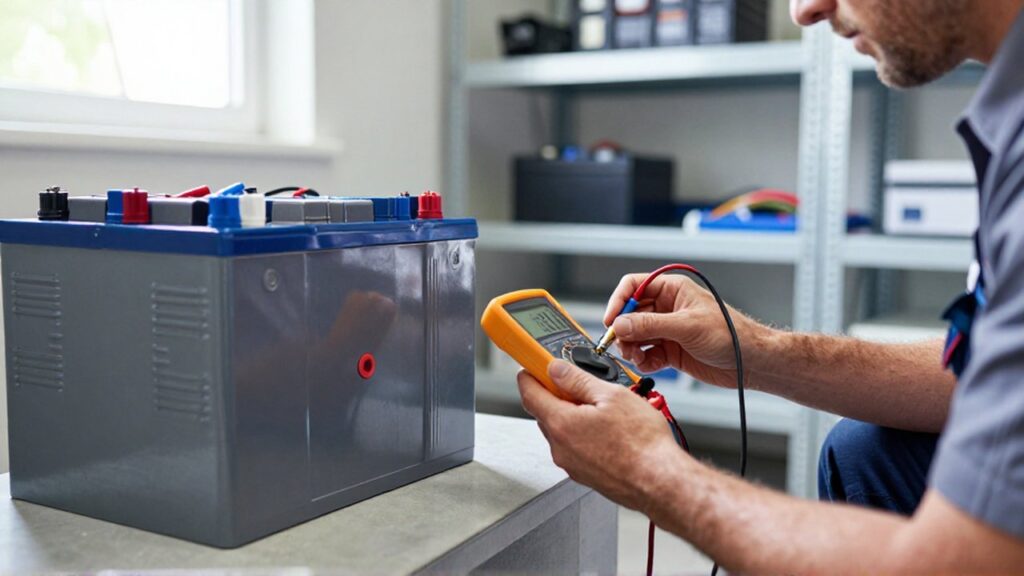
Introduction
Choosing the right energy storage system is a critical decision for homeowners looking to implement solar power, backup systems, or off-grid living. Battery technology acts as the bridge between energy generation and consumption, ensuring that essential appliances stay running during power outages or throughout the night. Selecting between lithium-ion and lead-acid technologies requires understanding how each performs under different loads, their lifespan, and their impact on your long-term household budget.
The primary goal of selecting a home battery is to achieve a balance between reliability, capacity, and cost-effectiveness. While lead-acid batteries have been the standard for decades due to their low entry cost, lithium-ion technology has rapidly become a favorite for modern residential setups. Understanding the fundamental differences in how these two chemistries manage energy will help you make an informed choice that aligns with your specific energy needs and home maintenance capabilities.
Differences in performance and depth of discharge
The most significant technical difference between these two types of batteries lies in their Depth of Discharge (DoD). Depth of discharge refers to the percentage of the battery's total capacity that can be used safely without damaging the unit. Lead-acid batteries generally require a conservative approach; discharging them too deeply or too frequently can significantly shorten their operational life. Typically, users are advised to only use about 50% of the available capacity to maintain battery health.
In contrast, lithium-ion batteries are much more resilient. They allow for a significantly higher depth of discharge, often reaching 80% to 90% or more, without the same level of degradation seen in lead-acid models. This means that a lithium battery with a smaller rated capacity might actually provide more usable energy for your home than a larger lead-acid battery. Additionally, lithium batteries maintain a more stable voltage output as they discharge, ensuring that electronics receive consistent power until the battery is nearly empty.
Lifespan and cycle life comparison
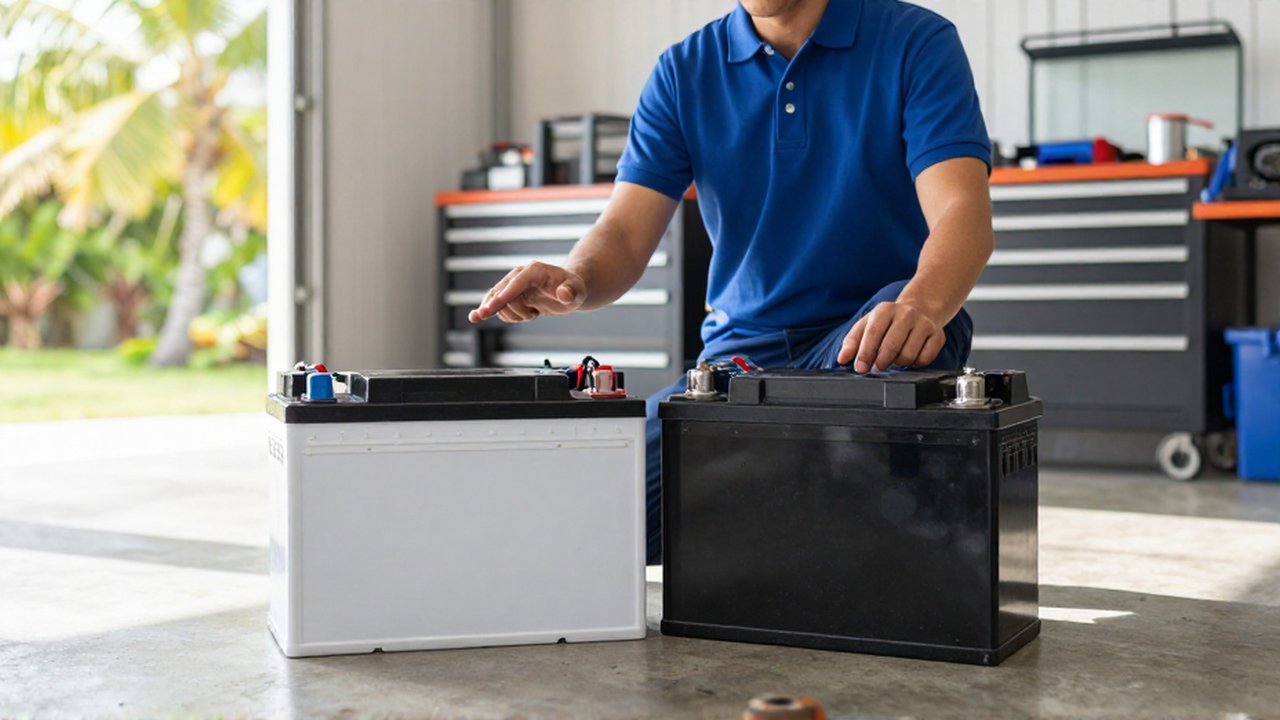
When evaluating the long-term value of a home battery, the cycle life is a decisive factor. A cycle represents one full charge and one full discharge of the battery. Lead-acid batteries typically offer a limited number of cycles before their ability to hold a charge diminishes. Because they are highly sensitive to how deeply they are discharged and how often they are used, their replacement frequency is often higher in active households.
Lithium-ion batteries are engineered for longevity. They can undergo thousands of charge and discharge cycles while retaining a high percentage of their original capacity. For a homeowner, this translates to a much longer service life, often spanning a decade or more, depending on usage patterns. While the initial investment for lithium is higher, the fact that you may not need to replace the units for many years can make them more economical over the total duration of the system's life.
Maintenance requirements and installation complexity
Lead-acid batteries, particularly the flooded varieties, require active maintenance to ensure they function correctly. This may include regular checking of electrolyte levels, adding distilled water, and ensuring terminals are clean and free of corrosion. If these maintenance tasks are neglected, the battery can fail prematurely or even release harmful gases. Even "maintenance-free" sealed lead-acid (SLA) batteries require careful monitoring of temperature and charging profiles to prevent damage.
Lithium batteries are essentially "plug and play" in comparison. They feature integrated Battery Management Systems (BMS) that automatically regulate voltage, temperature, and charging rates. This internal intelligence protects the battery from common errors like overcharging or deep discharging, making them much more suitable for homeowners who want a low-maintenance solution. Because they require almost no manual intervention, they are ideal for indoor installations or for users who prefer a set-and-forget approach to home energy.
Cost analysis and long term value
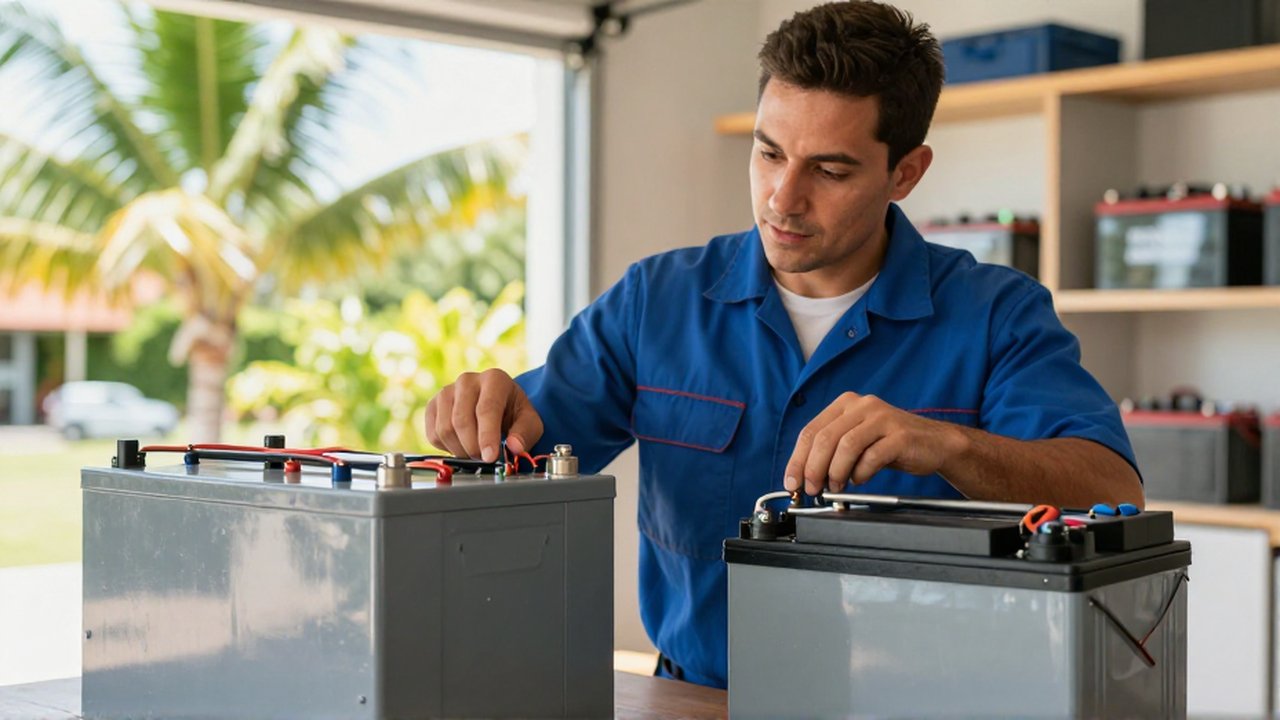
The decision between lithium and lead-acid often comes down to a comparison between upfront costs and lifecycle costs. Lead-acid batteries have a much lower initial purchase price. This makes them an attractive option for budget-conscious users or for systems where energy storage is a secondary concern rather than a primary requirement. If the goal is a simple, low-cost backup for minimal lighting or small devices, lead-acid can be a functional choice.
However, when looking at the "cost per cycle" or "cost per usable kilowatt-hour," lithium often proves to be the superior investment. Because lithium batteries last longer and allow for a deeper discharge, you get more utility out of every dollar spent over the lifetime of the system. When you factor in the costs of frequent replacements and the labor involved in maintaining lead-acid units, the higher initial price of lithium technology often offsets itself through increased efficiency and durability.
Summary of key characteristics
| Feature | Lead-Acid Batteries | Lithium-Ion Batteries |
|---|---|---|
| Initial Cost | Low | High |
| Usable Capacity | Low (approx. 50%) | High (80%+) |
| Maintenance | Periodic / Required | Minimal to none |
| Lifespan | Shorter (fewer cycles) | Longer (more cycles) |
| Efficiency | Moderate | High |
Frequently asked questions
Which battery is better for daily solar use?
Lithium is generally better for daily cycling. Because solar systems often involve daily charge and discharge cycles, lithium's ability to handle frequent use without rapid degradation makes it more reliable for solar-integrated homes.
Can I mix lithium and lead-acid batteries in one system?
No, you should never mix different battery chemistries in a single system. They have different charging requirements and voltage profiles; mixing them can cause one type to overcharge, fail, or create safety hazards.
Are lithium batteries safer for indoor use?
Generally, yes. Because lithium batteries have built-in management systems to prevent overheating and overcharging, and because they do not require electrolyte refilling, they are often preferred for indoor residential installations.
Why is the lead-acid battery cheaper upfront?
The manufacturing process for lead-acid technology is older, more established, and uses less complex materials and electronic management components compared to the advanced chemical engineering required for lithium-ion cells.
Leave a Reply