
How to select energy-efficient lighting for home furniture displays
Introduction
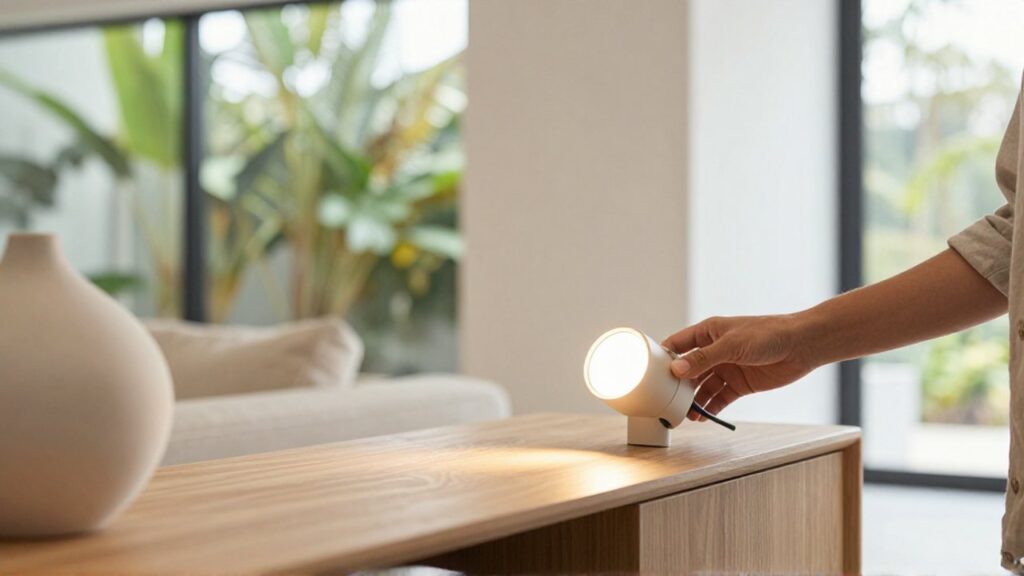
Lighting plays a decisive role in how we perceive our living spaces, particularly when it comes to highlighting the textures, colors, and shapes of our furniture. Selecting the right lighting for furniture displays allows you to transform a simple room into an inviting sanctuary while emphasizing your most valued pieces. When done correctly, lighting adds depth and character to your home decor, making wood grains pop or fabrics appear more luxurious.
However, professional-looking displays often require multiple light sources, which can lead to increased electricity consumption if not managed properly. Choosing energy-efficient options is essential for maintaining a sustainable home and controlling monthly utility costs. By understanding the relationship between light quality and energy consumption, you can create stunning interior displays that are both environmentally friendly and cost-effective.
This guide provides the necessary criteria to help you select energy-efficient lighting solutions that enhance your furniture displays without compromising on aesthetics or efficiency.
Benefits of energy efficient lighting for furniture
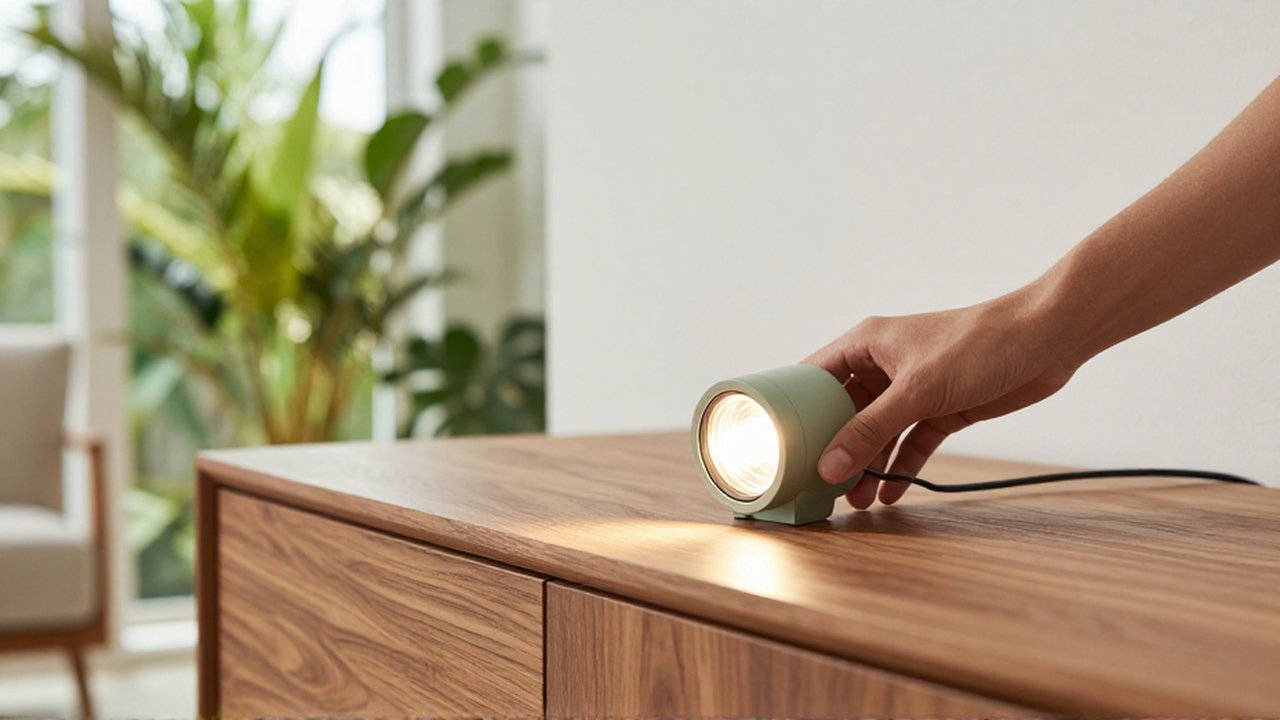
Moving away from traditional incandescent or halogen bulbs toward modern energy-efficient technologies offers several advantages for home decor enthusiasts. The most immediate benefit is the significant reduction in power consumption. Because energy-efficient bulbs, such as LEDs, require much less wattage to produce the same amount of light, they lower your carbon footprint and your electricity bills.
Beyond cost savings, energy-efficient lighting is far superior for furniture preservation. Traditional bulbs emit a high amount of infrared radiation, which generates heat. This heat can lead to the fading of delicate upholstery and the drying out of wooden finishes over time. Modern LED technology remains cool to the touch, protecting the integrity of your furniture materials. Furthermore, these lights have much longer lifespans, meaning you will spend less time and money on maintenance and bulb replacements.
Understanding color temperature and light quality
The most common mistake in furniture lighting is ignoring the Color Rendering Index (CRI) and Color Temperature. Even an energy-efficient bulb can make a beautiful sofa look dull or "off" if the light quality is poor.
Color Temperature is measured in Kelvins (K) and dictates the "mood" of the light.
- Warm Light (2700K - 3000K): Best for living rooms and bedrooms. It enhances the warmth of wood furniture and creates a cozy, inviting atmosphere.
- Neutral Light (3500K - 4500K): Ideal for dining areas or workspaces. It provides a clean, natural look that doesn't distort colors too much.
- Cool Light (5000K+): Generally avoided for furniture displays as it can feel clinical, though it may be useful in specific modern or minimalist settings.
Color Rendering Index (CRI) indicates how accurately a light source reveals the true colors of an object. When selecting bulbs to highlight furniture, always look for a high CRI (90 or above). A high CRI ensures that the navy blue of an armchair or the mahogany tones of a dining table appear exactly as they should, preventing visual mismatch.
Effective lighting layers for furniture displays
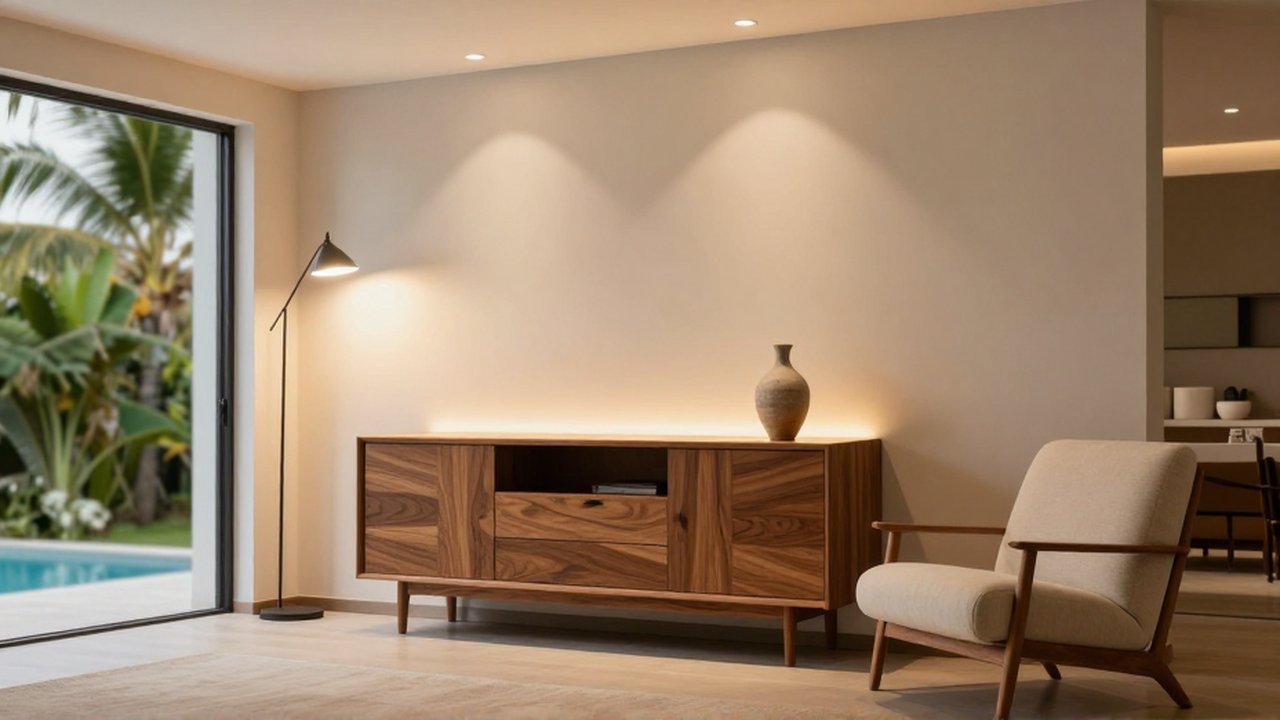
To create a professional display, you should avoid relying on a single overhead light. Instead, use a layered approach that incorporates different types of energy-efficient fixtures.
| Layer Type | Purpose | Recommended Fixture |
|---|---|---|
| Ambient Lighting | Provides general illumination for the room. | Dimmable LED ceiling fixtures or recessed lights. |
| Task Lighting | Highlights specific areas for functionality. | LED desk lamps or reading lights near armchairs. |
| Accent Lighting | Creates drama by highlighting specific furniture pieces. | LED track lighting, spotlights, or picture lights. |
Using dimmable LED technology is a crucial step in this process. Dimmers allow you to control the intensity of the light based on the time of day or the specific mood you wish to create, further optimizing energy use.
Key selection criteria for energy efficient bulbs
When you are shopping for lighting to complement your furniture, keep these technical factors in mind to ensure you are getting a high-quality, efficient product.
First, check the lumens rather than the watts. In the past, we judged brightness by wattage, but with energy-efficient technology, wattage only tells you how much power is being used. Lumens tell you how much light is actually being produced. For accent lighting, you may want lower lumen counts to avoid glare, while ambient lighting requires higher lumen counts.
Second, consider the beam angle of your accent lights. If you are highlighting a tall bookshelf or a large wardrobe, a wide beam angle will distribute light evenly. If you want to spot a single sculptural chair, a narrow beam angle will create a dramatic, focused effect.
Finally, ensure the bulbs are compatible with your existing fixtures. Some dimmable LEDs require specific dimmers to avoid flickering, which can be distracting and can also shorten the life of the bulb.
Frequently asked questions
Will energy-efficient LED lights make my furniture look different than incandescent bulbs? Yes, they can. To ensure your furniture looks its best, prioritize bulbs with a high Color Rendering Index (CRI). This ensures the colors of your fabrics and wood remain vibrant and accurate.
Can I use track lighting to highlight furniture without wasting too much energy? Absolutely. LED track lighting is highly efficient and allows you to direct light precisely where it is needed, preventing light from being wasted on empty floor space or walls.
Is it better to use warm or cool light for wooden furniture? Warm light (between 2700K and 3000K) is generally recommended for wooden furniture, as it enhances the natural warmth and rich tones of the wood.
Do energy-efficient lights produce heat that could damage my decor? One of the primary benefits of LED and other energy-efficient technologies is that they produce very little heat compared to incandescent bulbs, making them much safer for delicate furniture and fabrics.
Leave a Reply