
Essential hurricane emergency kit checklist for families
Introduction
Living in a tropical region means that hurricane season is a recurring reality that requires proactive preparation. An essential hurricane emergency kit is a pre-assembled collection of supplies designed to sustain your family during the critical hours or days following a storm when electricity, running water, and access to stores may be unavailable. Having these items organized and ready prevents panic and ensures that your household can maintain basic hygiene, nutrition, and safety during an emergency.
Preparing this kit is most effective when done well before the first tropical storm is even detected. Waiting until a weather warning is issued often leads to shortages in local supermarkets and increased stress levels. By building a comprehensive kit in advance, you create a reliable safety net that allows your family to focus on following official evacuation orders or sheltering in place securely.
Core survival supplies for every household

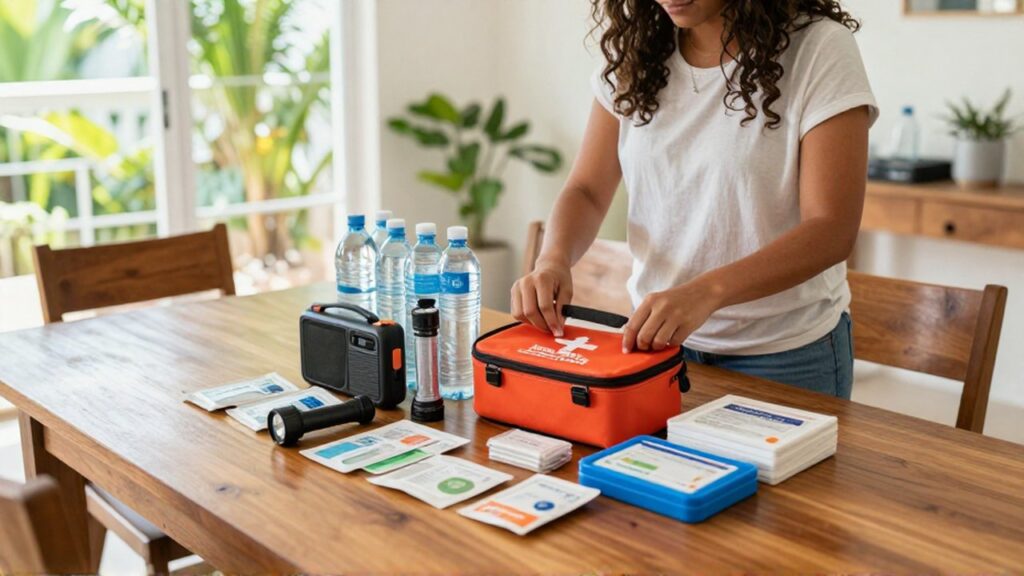
The foundation of any emergency kit consists of the items necessary for immediate physiological survival: water, food, and light. Because hurricanes often disrupt municipal water systems and power grids, these items must be stored in a way that is easily accessible.
For water, the standard recommendation is to store at least one gallon per person per day for a minimum of three days, though stretching this to a week is much safer. This supply must cover both drinking and very basic sanitation needs. When selecting food, prioritize non-perishable items that do not require cooking or refrigeration. Canned goods, dried fruits, protein bars, and crackers are excellent choices. Remember to include a manual can opener in your kit, as electric versions will not work during a blackout.
Lighting and communication are equally vital. Avoid using candles due to the high risk of fire during high winds or gas leaks; instead, prioritize LED lanterns and high-quality flashlights. Stock an ample supply of extra batteries for all devices. A battery-powered or hand-crank weather radio is indispensable for receiving real-time updates from local authorities when cellular networks fail.
Medical and hygiene necessities
A hurricane can turn minor scrapes or common illnesses into significant problems if medical supplies are unavailable. Every family kit should include a thoroughly stocked first aid kit. This should contain bandages of various sizes, antiseptic wipes, antibiotic ointment, medical tape, scissors, and tweezers.
Beyond standard first aid, you must account for specific personal needs. This includes a minimum two-week supply of all prescription medications, as well as basic over-the-counter relief for fever, pain, and gastrointestinal issues. If family members use medical devices, ensure you have backup power sources or manual alternatives available.
Hygiene is often overlooked but is critical for preventing the spread of disease in cramped or flooded conditions. Include items such as hand sanitizer, moist towelettes, garbage bags, and plastic ties for waste disposal. Personal hygiene products like toothpaste, soap, toilet paper, and feminine hygiene products should be packed in waterproof containers to ensure they remain usable even if the kit is exposed to moisture.
Essential documents and financial preparedness

In the aftermath of a major storm, proving identity and accessing funds can be a logistical challenge. Digital copies are helpful, but physical copies kept in a waterproof, portable container are more reliable in a total power failure.
You should compile a folder containing copies of important documents such as:
- Identity documents (passports, birth certificates, and national ID cards).
- Insurance policies (home, auto, and life).
- Bank account information and proof of property ownership.
- Emergency contact lists and medical records.
Regarding finances, keep a reserve of cash in small denominations. If the electrical grid is down, credit card machines and ATMs will not function. Having physical cash allows you to purchase essential supplies if local shops remain open but cannot process electronic payments.
Maintenance and kit review tips
An emergency kit is not a "set it and forget it" tool; it requires regular maintenance to remain effective. As seasons change, you must audit your supplies to ensure nothing has expired or degraded.
The best practice is to conduct a full kit inspection every six months. During this review, check the expiration dates on canned food and bottled water. Test your flashlights to ensure batteries have not leaked and have enough charge. If you have medical supplies or medications, replace any that are nearing their end date.
Additionally, consider the changing needs of your household. If a new baby arrives or a family member develops a new medical condition, your kit must be updated immediately to reflect these changes. Storing your kit in a single, easy-to-grab, waterproof container—such as a large plastic bin or a heavy-duty backpack—will ensure that you can move quickly if an evacuation order is issued.
Frequently asked questions
How much water should we actually store? As a general rule, aim for one gallon of water per person per day for at least three to seven days. This accounts for both drinking and essential hygiene.
Should we keep our kit in the car? While having some supplies in a vehicle is helpful for travel, your primary emergency kit should be kept in an easily accessible location within your home.
Is a solar charger better than batteries? Solar chargers are excellent secondary options, but they rely on sunlight, which may be unavailable during heavy storm clouds. Always prioritize high-quality batteries as your primary power source for flashlights and radios.
What should we do if our kit gets wet? Store all critical items—especially documents, electronics, and medications—in airtight, waterproof containers or heavy-duty plastic zip-top bags to prevent damage from humidity or flooding.
Leave a Reply