
Guide to repairing leaking water tanks and pumps

Introduction
Maintaining a reliable water supply is essential for the functionality of any household, especially in regions where water pressure can fluctuate or where gravity-fed systems are necessary. A leaking water tank or a malfunctioning pump does more than just waste water; it can lead to structural damage, increased utility bills, and a complete loss of water pressure when you need it most. Recognizing a leak early is crucial to preventing more expensive repairs or systemic failures.
This guide provides practical information for identifying the source of leaks and understanding the basic steps required to address them. Whether the issue stems from a hairline crack in a storage tank or a faulty seal in a pressurized pump, knowing how to diagnose the problem is the first step toward restoring your home's water system. By addressing these issues promptly, you can ensure long-term efficiency and prevent the stress of an unexpected water shortage.
Identifying common water tank leaks

Leaking water tanks generally fall into two categories: structural cracks and connection failures. Structural leaks often occur in plastic or concrete tanks due to temperature fluctuations, ground shifting, or material aging. These manifest as moisture seeping through the walls of the tank. Connection leaks, on the other hand, are usually found around the inlet, outlet, or overflow pipes. If you notice water pooling around the base of the tank or dripping from the fittings, the issue is likely related to the seals or the plumbing joints rather than the tank body itself.
To locate a leak, it is often necessary to drain the tank partially and inspect the interior and exterior surfaces. For plastic tanks, look for fine cracks that might expand under the weight of the water. For concrete tanks, check for signs of erosion or salt crystallization, which indicate water is pushing through the pores of the material. Identifying the specific location is vital because the repair method for a cracked wall is significantly different from the method used to fix a loose valve.
Troubleshooting water pump malfunctions
Water pumps are the heart of many domestic water systems, and their failures often present as sudden drops in pressure or unusual noises. A leak in a pump system often occurs at the mechanical seal, the gaskets, or the connection points between the pump and the piping. If you see water dripping directly from the pump motor housing, it may indicate a failed internal seal, which almost always requires professional replacement.
Other common signs of pump issues include:
- Constant cycling: The pump turns on and off frequently even when no water is being used, suggesting a leak in the line or a faulty pressure switch.
- Loss of prime: The pump runs but fails to move water, often caused by air entering the system through a leak in the suction line.
- Excessive noise: Grinding or loud vibrating sounds can indicate bearing failure or cavitation, which can lead to catastrophic leaks if left unaddressed.
Steps to repair tank cracks and fittings
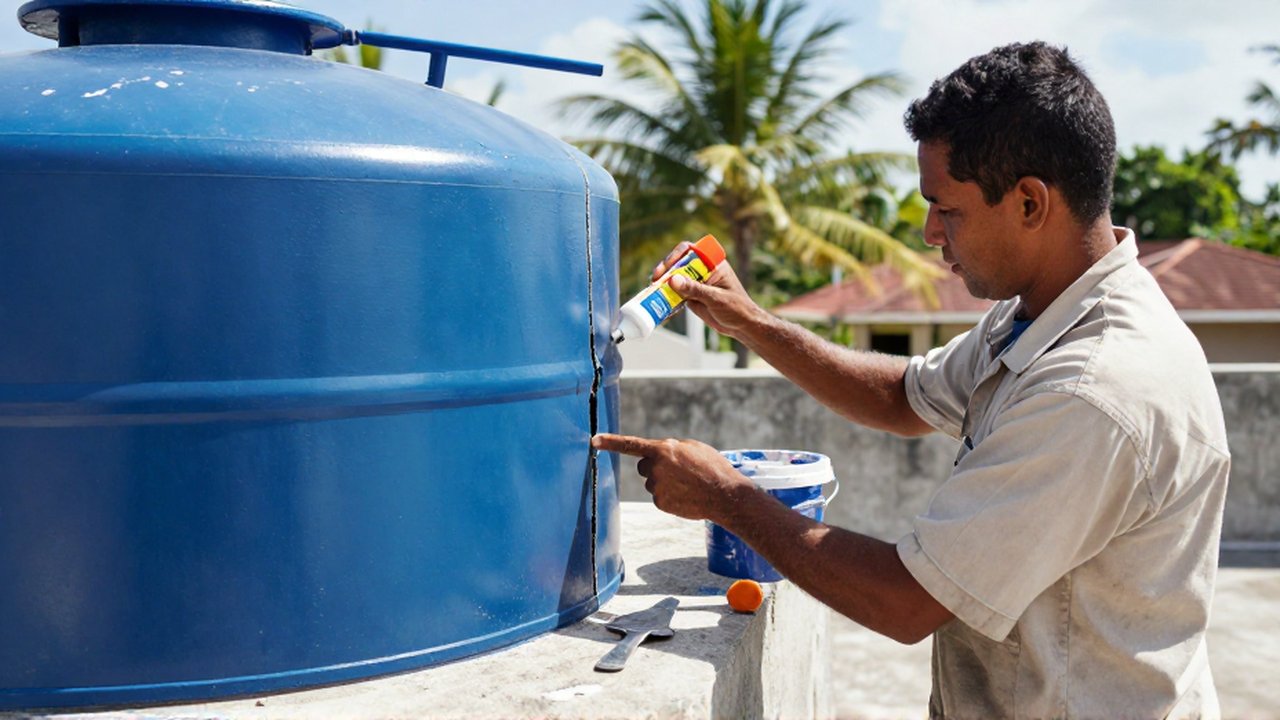
Repairing a tank depends heavily on the material of the container. For plastic (polyethylene) tanks, specialized waterproof sealants or plastic welding kits are often used. The surface must be thoroughly cleaned and dried to ensure the adhesive bonds correctly. For concrete tanks, applying a waterproof cementitious coating or a specialized epoxy injection can fill cracks and prevent further seepage.
For connection leaks, the process is more mechanical: 1. Isolate the system: Turn off the water supply and the pump to prevent further leaking and electrical hazards. 2. Drain the area: Remove the excess water around the leak to allow for a clean workspace. 3. Disassemble fittings: Unscrew the leaking joints or valves carefully. 4. Replace seals: Remove old, degraded washers, O-rings, or Teflon tape and replace them with new, high-quality components. 5. Reassemble and test: Tighten the connections firmly—but do not overtighten, as this can crack plastic fittings—and gradually turn the water back on to check for leaks.
Essential tools and safety precautions
Attempting repairs requires the right tools to avoid causing further damage. Depending on the scale of the repair, you may need a set of wrenches, screwdrivers, pliers, and plumbing tape. For structural tank repairs, specialized sealants and brushes are necessary. Always ensure you have a bucket and towels ready to manage residual water during the process.
Safety is the most critical aspect of any plumbing or pump repair. When working with pumps, always disconnect the power source to avoid electric shock. If the pump is located in a damp or cramped area, use caution to avoid slipping or working in unsafe electrical conditions. Furthermore, if a tank is large or elevated, do not attempt structural repairs that require you to climb on top of it without proper stability and safety gear. If a leak appears to be deep within a pressurized system or involves complex electrical components, it is highly recommended to consult a professional plumber or technician.
Frequently asked questions
How can I tell if my leak is coming from the tank or the pipes? Observe where the water is pooling. If it is constant and originates from a specific joint, it is likely a pipe or fitting. If it appears to be seeping through the tank wall or rising from the base of the tank, it is a structural tank issue.
Can I use regular silicone to fix a water tank? Standard silicone may not work for all materials. It is important to use a sealant specifically rated for the material of your tank (such as polyethylene for plastic tanks) and designed for constant submersion or high-moisture environments.
Why does my pump keep turning on even when I am not using water? This typically indicates a leak somewhere in your plumbing system. The pump is detecting a drop in pressure caused by the leak and is turning on to repressurize the system. Check all visible joints and the water tank level.
Is it safe to repair a leaking pump while it is plugged in? No. Never attempt to inspect or repair a pump while it is connected to a power source. Always disconnect the electricity first to prevent the risk of electric shock, especially in wet environments.
Leave a Reply