
Steps to unclog a bathroom drain without professional help
Introduction
A clogged bathroom drain is a common household frustration that can disrupt your daily routine and lead to unpleasant odors or water pooling in your shower or sink. Dealing with slow drainage can happen at any time, often due to the accumulation of hair, soap scum, or small debris that eventually creates a physical barrier in your pipes. Understanding how to address this issue promptly is essential for maintaining a functional and hygienic bathroom environment.
Learning to unclog a drain manually allows you to resolve most minor blockages quickly and cost-effectively. Instead of immediately calling a plumber, which can be expensive and time-consuming, many drainage issues can be fixed using basic household tools and simple mechanical methods. This guide provides a structured approach to diagnosing the problem and implementing effective, non-invasive solutions to restore proper water flow.
Common causes of bathroom drain clogs
Before attempting to fix the issue, it is helpful to understand why the blockage occurred. In bathrooms, the primary culprit is almost always a combination of organic matter and mineral buildup. Hair is the most frequent offender, often tangling with soap residue to form a thick, stubborn mass. This mass typically settles in the P-trap—the U-shaped pipe located beneath the sink or behind the shower wall—which is designed to hold water and prevent sewer gases from entering the home.
Other contributors include toothpaste, skin oils, and accumulated conditioner. In some cases, small objects or excessive amounts of sediment can also cause issues. Recognizing these causes helps you determine which method will be most effective, as a hair clog requires mechanical removal, whereas a buildup of soap scum may respond better to chemical or heat-based treatments.
Simple manual methods to clear the blockage
The first step in any DIY drainage project should be the least invasive method. Start by inspecting the drain surface. If you can see a visible clump of hair or debris near the stopper, use a pair of tweezers or a small tool to pull it out. This simple action often resolves the immediate problem without needing any additional equipment.
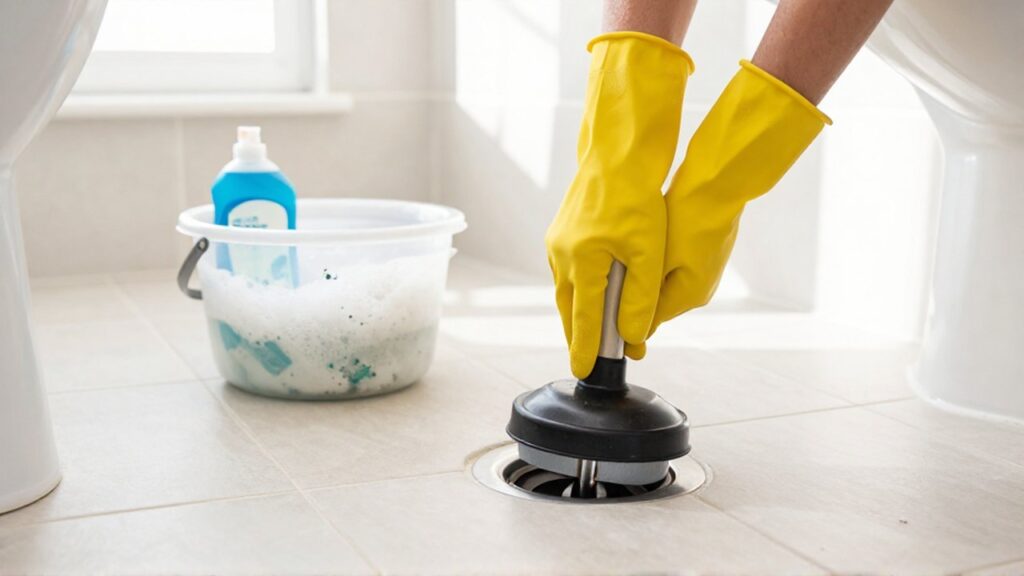
If the blockage is deeper, use a plunger. For a sink, use a cup-shaped plunger, and for a toilet, use a flange-style plunger. Ensure there is enough water in the basin to cover the head of the plunger to create a vacuum seal. Apply firm, rhythmic pressure to create suction that moves the clog back and forth until the water drains freely.
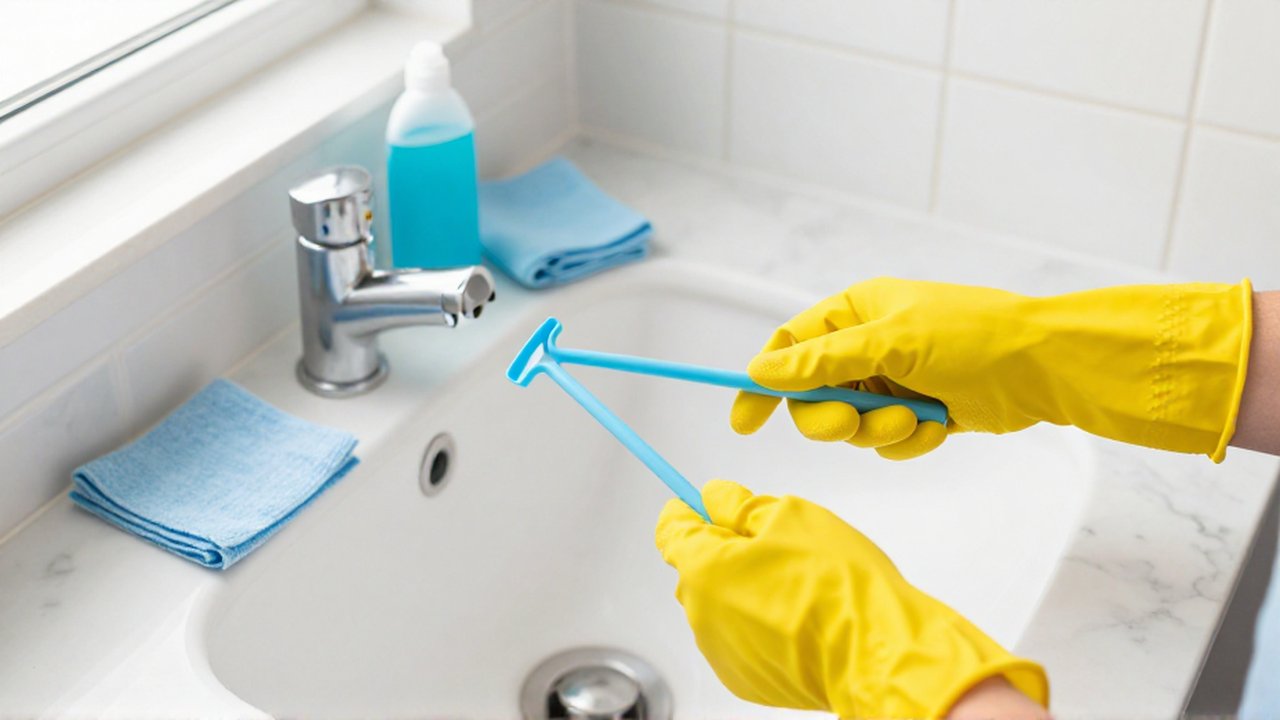
Another highly effective tool is a "zip tool" or a plastic drain snake. These are thin, flexible strips of plastic with small barbs along the sides. You slide the tool into the drain, wiggle it slightly, and pull it back up. The barbs are specifically designed to catch and pull out hair and organic debris that a plunger cannot reach.
Natural cleaning solutions for soap scum buildup
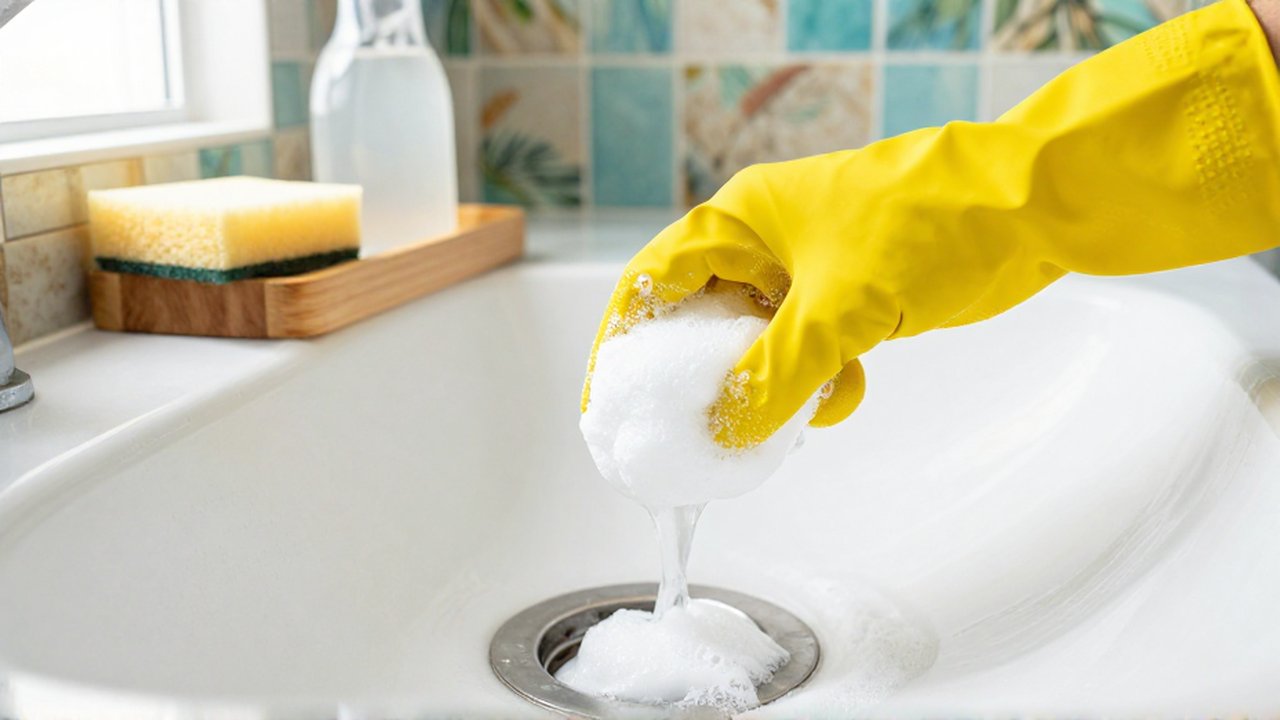
When a drain is not completely blocked but is draining slowly, the issue is likely a layer of soap scum and mineral deposits coating the interior of the pipes. In these instances, a natural chemical reaction can be safer for your pipes than harsh commercial cleaners.
One effective method involves using baking soda and vinegar. Follow these steps: 1. Pour a generous amount of dry baking soda down the drain. 2. Follow this with a cup of white vinegar. 3. Cover the drain with a stopper or a cloth to keep the fizzing action directed downward. 4. Wait approximately 15 to 30 minutes for the reaction to break down the buildup. 5. Flush the drain with a kettle of boiling water to rinse away the loosened residue.
Note: Use boiling water with caution, especially if you have PVC (plastic) pipes, as extremely high temperatures can occasionally soften the joints. In such cases, use very hot tap water instead.
When to stop and seek professional assistance
While many clogs are manageable, there is a limit to what DIY methods can achieve. If you have attempted plunging, snaking, and natural cleaning solutions without success, the blockage may be located much deeper in the main plumbing line or may be caused by a structural issue, such as tree roots penetrating the pipes or a collapsed pipe.
You should seek professional help if any of the following occur:
- Multiple drains are clogged at once: This usually indicates a main sewer line blockage rather than a localized drain issue.
- Water backs up in other fixtures: If flushing the toilet causes water to rise in the shower, the problem is systemic.
- Persistent odors or gurgling noises: These are signs of venting issues or significant buildup in the main lines.
- Attempts to fix the drain lead to leaks: If you notice water pooling under the sink after working on the trap, stop immediately to prevent water damage.
Frequently asked questions
Will using chemical drain cleaners damage my pipes? Frequent use of aggressive commercial chemical cleaners can lead to pipe corrosion, especially in older homes with metal pipes. They can also generate heat that may damage plastic PVC pipes. It is generally better to use mechanical methods or natural solutions first.
How can I prevent future bathroom clogs? The most effective prevention is using drain hair catchers or strainers over your shower and sink drains. Additionally, avoid pouring heavy oils or excessive amounts of thick soap into the drains, and occasionally flushing drains with hot water can help prevent buildup.
How often should I clean my drains? While you do not need to clean them on a strict schedule, performing a monthly flush with hot water or a mild natural solution can help keep soap scum and organic residue from accumulating into a major clog.
Why does my drain smell even after it is unclogged? A persistent smell often indicates that organic matter is still stuck in the P-trap or that there is a buildup in the overflow hole of the sink. Cleaning the overflow hole with a mixture of water and vinegar can often resolve this.
Leave a Reply