
How to create an organized entryway for beach homes
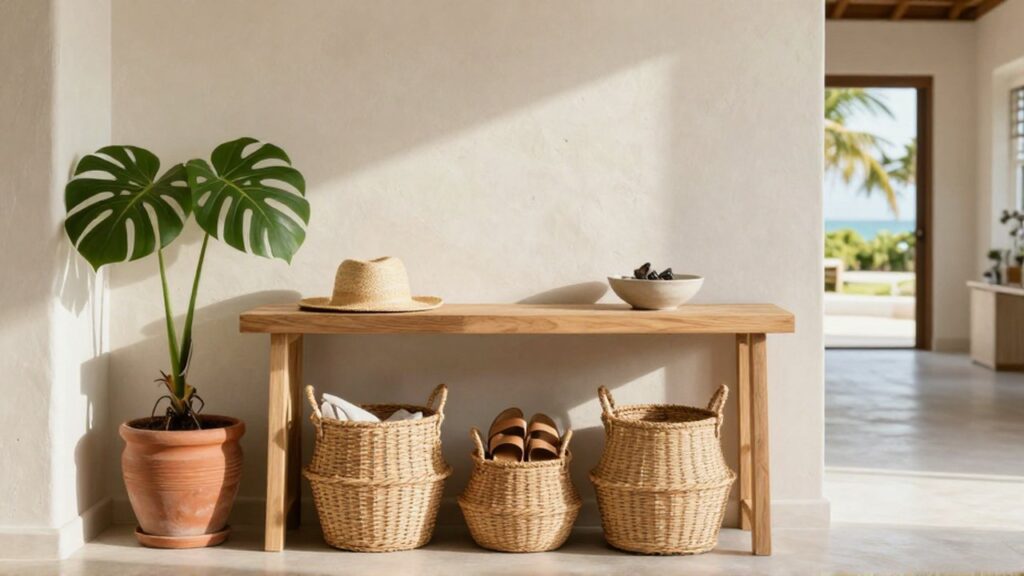
Introduction
The entryway of a beach home serves a much more significant purpose than just a transition point between the outdoors and indoors. In tropical coastal environments, this space acts as a critical buffer zone that manages the influx of sand, salt, moisture, and humidity. An organized entryway prevents these elements from migrating deeper into the living areas, which helps preserve flooring, furniture, and overall air quality.
Creating an efficient entryway is essential for maintaining a relaxed, vacation-like atmosphere without the stress of clutter. When a space is properly designed to handle beach gear, towels, and footwear, it ensures that the home remains tidy and easy to clean. This is especially important in homes where guests or family members are frequently coming and going from the coast.
Investing time in organizing this specific area allows you to establish a "landing zone" that streamlines daily routines. By implementing smart storage solutions and durable materials, you can protect your home's interior while creating a welcoming first impression for everyone who enters.
Essential functions of a coastal entryway
A successful entryway in a beach house must fulfill several roles simultaneously. First, it must act as a filtration system for sand and debris. Without a dedicated area to trap grit, sand will quickly find its way into rugs and upholstery throughout the entire house. Second, it needs to provide a safe place for wet items, such as swimwear and towels, to dry without causing dampness or odors in the main living areas.
Finally, the space must serve as a logistical hub for seasonal or recreational gear. This includes sunscreens, hats, flip-flops, and perhaps even snorkeling equipment. If these items do not have a designated home, they will inevitably clutter dining tables or hallway floors, disrupting the aesthetic and flow of the home.
Strategic zones for sand and moisture management
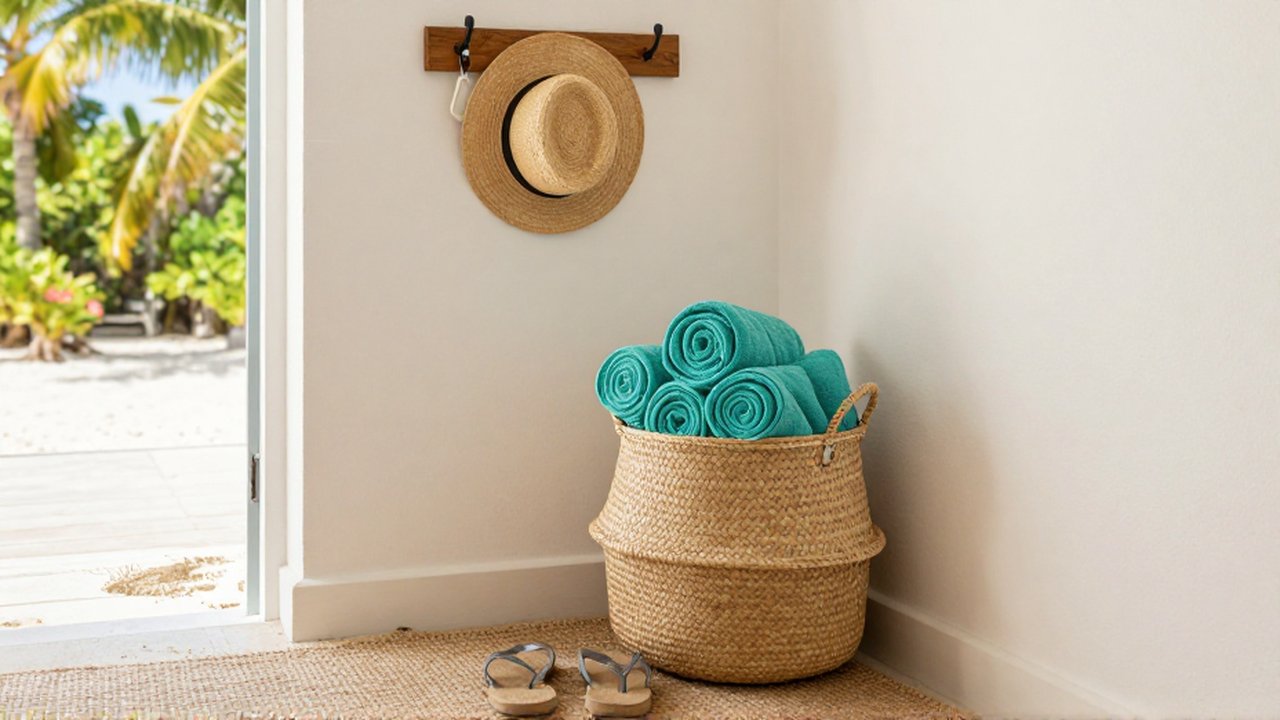
To prevent the spread of sand and salt, the entryway should be divided into specific functional zones. This prevents different types of "mess" from overlapping.
The first zone is the Debris Zone, located immediately at the door. This area should consist of heavy-duty, easy-to-clean mats. A high-quality coir mat or a rubberized mat can trap the majority of sand before it even reaches the floor. It is highly recommended to use two mats: one outside the door to scrape off heavy sand, and one inside to catch moisture and smaller particles.
The second zone is the Drying Zone. Because beach life involves frequent contact with water, you need a way to manage wet items. A dedicated towel rack, a floating shelf, or a breathable basket is ideal here. Avoid placing wet items on wooden furniture or carpeted areas, as the high humidity combined with moisture can lead to mold or wood damage.
The third zone is the Storage Zone. This is where footwear and larger items reside. Using open shelving or cubbies allows for better airflow, which is crucial in humid tropical climates to prevent odors from developing in damp shoes.
Durable materials for coastal environments
When selecting furniture and storage for a beach entryway, material choice is a deciding factor in how long the organization system will last. The salt air and high humidity can be aggressive toward certain materials.
| Material Type | Benefits | Risks to Watch For |
|---|---|---|
| Wicker/Rattan | Aesthetic appeal, breathable, lightweight | Can harbor moisture if not treated properly |
| Teak or Treated Wood | Highly resistant to humidity and salt | Requires occasional maintenance to prevent silvering |
| Metal (Powder-coated) | Durable, easy to clean, modern look | Low-quality metal may rust in salty air |
| Plastic/Resin | Waterproof, very easy to wash, affordable | Can look less "premium" if not chosen carefully |
| Ceramic/Stone | Heavy, stable, easy to wipe down | Can be slippery when wet |
It is often best to mix these materials. For example, a powder-coated metal bench with wicker baskets underneath provides a balance of durability and coastal style.
Practical organization solutions and tips
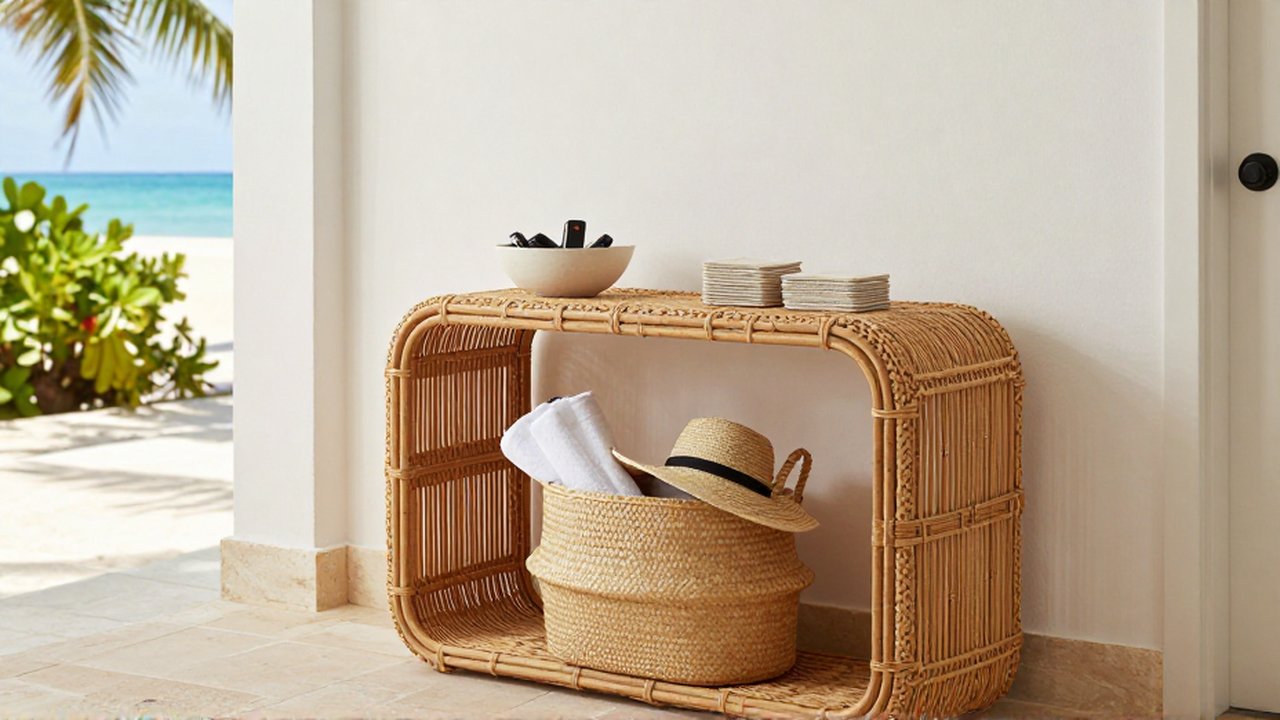
To maximize the utility of a small or medium-sized entryway, consider these practical implementation steps:
- Vertical Storage: Use wall-mounted hooks instead of standing coat racks. Hooks are easier to clean around and keep items off the floor, making it easier to sweep away sand.
- Clear Bins for Small Items: Use ventilated plastic or mesh bins for items like sunscreen, sunglasses, and hats. This keeps small accessories from getting lost while allowing them to "breathe."
- Footwear Stations: Implement a dedicated shoe rack. If possible, choose a model that is elevated off the ground, which allows you to sweep or mop underneath it easily.
- The "One-In, One-Out" Rule: In a vacation home, clutter accumulates quickly. Periodically audit the entryway to ensure that old towels or broken beach gear are not taking up valuable organized space.
Common mistakes to avoid
One frequent mistake is choosing high-pile rugs for the entryway. While they might look cozy, they are nearly impossible to clean once sand is embedded in the fibers. Stick to flat-weave or low-profile mats that can be shaken out or hosed down.
Another error is overcrowding the space. An entryway that is stuffed with too many items becomes a source of stress rather than a solution. If the space is too small for a large bench and a shoe rack, prioritize a wall-mounted system to keep the floor clear.
Lastly, neglecting the humidity factor is a significant risk. Avoid using closed wooden cabinets for storing damp beach gear, as this creates a microclimate that encourages mold growth. Always prioritize ventilation in your storage choices.
Frequently asked questions
What is the best way to clean sand out of an entryway? The most effective method is to use a vacuum with a brush attachment or a stiff broom to sweep the sand toward the door. For deeper cleans, a damp mop with a mild cleaner is effective, provided the floor is dried immediately to prevent slips.
Can I use regular indoor furniture in my beach entryway? It is possible, but not ideal. You should avoid delicate woods or fabrics that are highly absorbent. Opt for materials that can withstand being wiped down frequently with a damp cloth.
How can I prevent my entryway from smelling like damp towels? Ensure that wet towels and swimwear are hung in a well-ventilated area or placed in breathable baskets. Avoid storing wet items in closed drawers or cabinets, and consider using moisture-absorbing packets in your storage bins.
How often should I clean my entryway mats? In a high-traffic beach home, mats should be shaken out or vacuumed weekly. If they are heavily soiled with sand or salt, they should be hosed down or deep-cleaned once a month to maintain their effectiveness.
Leave a Reply