
When to call a professional plumber for emergency repairs
Introduction
Plumbing emergencies can turn a peaceful afternoon into a chaotic and destructive scene in a matter of minutes. Understanding the difference between a minor nuisance, such as a slow-draining sink, and a true emergency is essential for protecting your home and your wallet. Knowing when to intervene yourself and when to immediately contact a licensed professional can prevent extensive structural damage, mold growth, and costly secondary repairs.
An emergency plumbing situation is generally defined by any event that causes immediate property damage or poses a significant risk to the health and safety of the household. These issues often involve uncontrolled water flow, electrical hazards, or the complete loss of essential services. Recognizing these red flags early allows you to take the necessary preliminary steps, such as shutting off the main water valve, before the professional arrives on site.
Signs of a major water leak or burst pipe
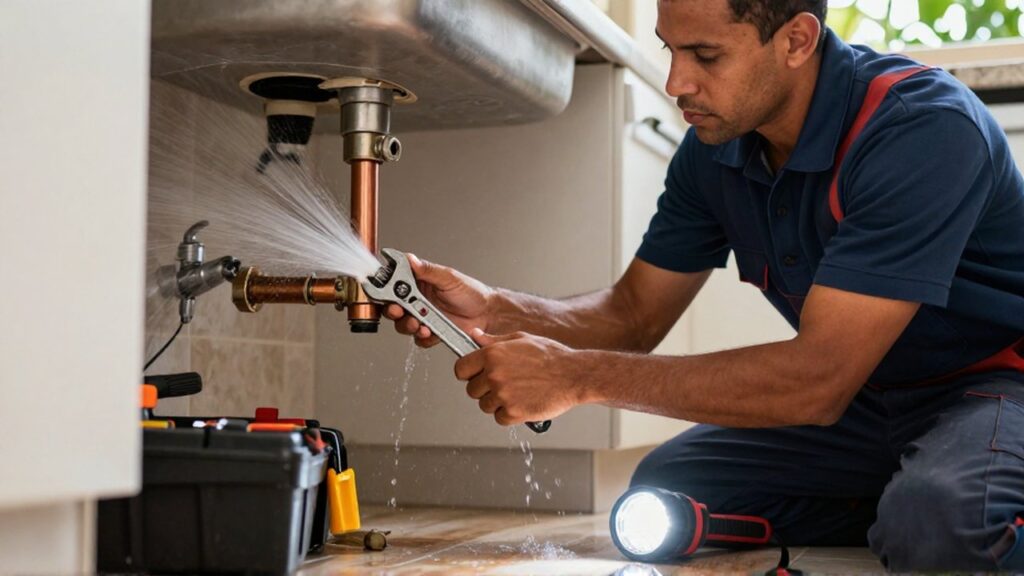
The most immediate indicator of a plumbing emergency is the presence of uncontrolled water flow. If you notice water spraying from a pipe, pooling rapidly on the floor, or seeping through walls and ceilings, you are dealing with a critical situation. Sudden increases in your water bill can also be a subtle sign of a hidden leak, but visible flooding requires instant action.
Water damage can escalate quickly, especially in tropical climates where humidity is already a concern. Even a small leak behind a wall can lead to significant structural rot and the rapid development of mold. When a pipe bursts, the priority is to shut off the main water supply to the house immediately to limit the volume of water entering the property.
Symptoms of a severe sewer backup
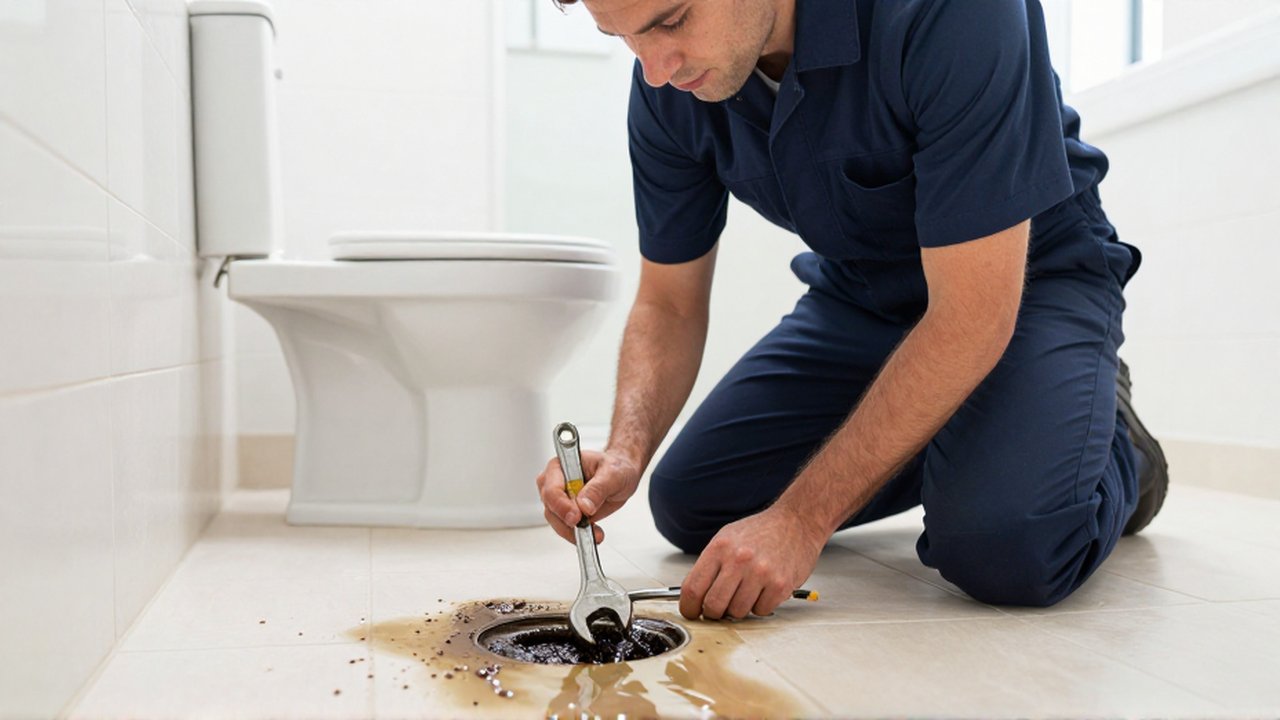
A sewage backup is more than just a clogged drain; it is a serious sanitary emergency. If you observe foul-smelling water rising from your toilets, tubs, or floor drains, it indicates that the main sewer line is obstructed or malfunctioning. This type of backup carries significant health risks because it involves the backflow of wastewater containing bacteria and pathogens.
Unlike a localized clog in a single sink, a sewer backup often affects multiple fixtures throughout the home simultaneously. Attempting to clear a main line with a standard plunger or chemical drain cleaner is rarely effective and can often worsen the situation by pushing the obstruction deeper into the system. Professional equipment and expertise are required to clear these lines safely and sanitize the affected areas.
Loss of hot water or complete water failure
While a lukewarm shower is an inconvenience, the total loss of water service or the complete failure of your water heater can constitute an emergency, particularly in larger households. A sudden drop in water pressure throughout the entire home may signal a broken main line or a catastrophic failure in the municipal connection.
If your water heater is leaking from the bottom or making unusual loud noises, it may be at risk of a tank rupture. Leaking water heaters can cause significant flooding in utility closets or garages. Because water heaters involve both plumbing and electrical or gas components, attempting a DIY repair is extremely dangerous. A professional can evaluate whether the unit requires a simple component replacement or a complete installation to ensure the safety of the home.
Plumbing issues involving electrical hazards

Water and electricity are a lethal combination. If you notice water leaking near electrical outlets, light fixtures, or your electrical panel, you must treat the situation as a high-priority emergency. This situation requires immediate attention to prevent electrical fires or accidental electrocution.
In such cases, the safest course of action is often to shut off the electricity at the main breaker before addressing the water leak, provided it is safe to reach the panel. Never attempt to touch wet electrical components or use heavy tools near standing water that is in contact with electrical lines. Waiting for a professional ensures that both the plumbing issue and the electrical safety hazards are addressed with the correct technical precautions.
Decision criteria for professional intervention
To decide whether to call a plumber immediately, evaluate the situation based on the following criteria:
| Factor | Minor Issue (DIY/Scheduled) | Emergency (Call Professional) |
|---|---|---|
| Water Flow | Slow drip or small puddle | Constant spray or rapid flooding |
| Drainage | One sink drains slowly | Multiple drains/toilets backing up |
| Health Risk | Odor from a single trap | Sewage smell or backflow |
| Damage Potential | Cosmetic or localized | Structural or electrical risk |
| Service Impact | Minor inconvenience | Total loss of water or heat |
Frequently asked questions
Can I use chemical drain cleaners to fix an emergency clog? It is generally not recommended. Chemical cleaners can damage older pipes, create hazardous reactions if they meet other substances, and often fail to solve the root cause of a major blockage.
Should I turn off the water supply or the electricity first? If water is leaking near electrical outlets or appliances, prioritize turning off the electricity at the main breaker to prevent shocks or fires, provided you can do so safely without stepping in water.
How do I find my main water shut-off valve? The main valve is typically located near the water meter, often in a basement, garage, or an exterior utility box. Knowing its location is a vital part of emergency preparedness.
Is a running toilet considered an emergency? A running toilet is usually a maintenance issue rather than an emergency, unless it is causing a significant increase in water usage or the tank is overflowing.
Leave a Reply