
Essential home maintenance tasks for coastal areas

Introduction
Living near the coast offers unparalleled beauty and a relaxed lifestyle, but the maritime environment presents unique challenges for property owners. The combination of high humidity, salt spray, and intense solar radiation creates a specialized set of maintenance requirements. If left unaddressed, these environmental factors can lead to rapid corrosion, structural degradation, and aesthetic decline.
Proactive maintenance is the most effective way to preserve property value and ensure the longevity of your home's components. By implementing a consistent schedule of inspections and repairs, homeowners can mitigate the aggressive effects of the ocean air. This guide outlines the critical areas that require regular attention to keep a coastal residence safe, functional, and visually appealing.
Dealing with salt spray and corrosion
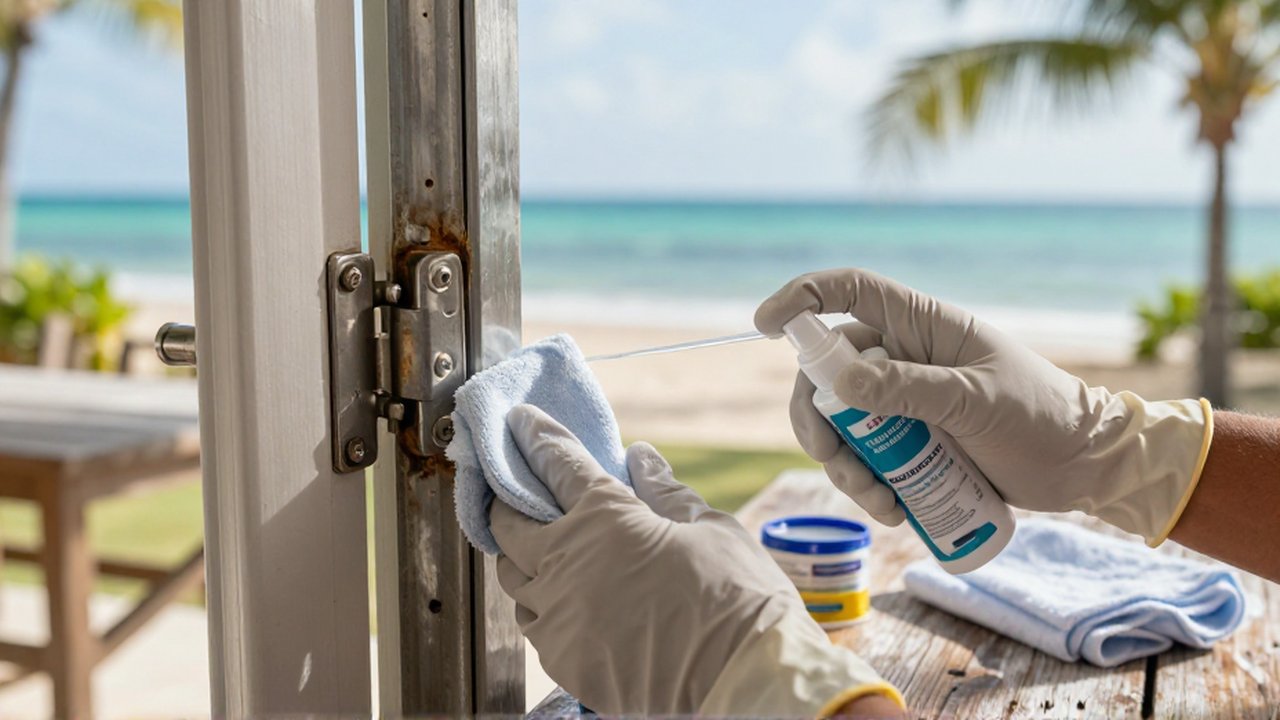
Salt is one of the most destructive elements in a coastal environment. When salt particles are carried by the wind, they settle on surfaces and attract moisture, creating a highly corrosive electrolyte. This process can quickly damage even high-quality materials if not managed correctly.
Metal components such as window frames, door handles, railings, and outdoor lighting require constant vigilance. Stainless steel is often a preferred choice for coastal homes, but even it can suffer from "tea staining" or surface oxidation if not cleaned. To prevent deep structural corrosion, homeowners should rinse metal fixtures with fresh water regularly to remove accumulated salt deposits.
Hardware and mechanical parts, including gate hinges and locks, should be treated with specialized lubricants designed to resist moisture. Check all exterior electrical connections and junction boxes to ensure they are properly sealed against both salt air and humidity. Regularly inspecting the integrity of metal fasteners in decks and fences is also vital, as rusted screws can lead to sudden structural failures.
Managing humidity and moisture control
The high humidity levels typical of coastal regions create a breeding ground for mold, mildew, and various fungi. This moisture can penetrate walls, affect indoor air quality, and damage furniture, electronics, and clothing. Effective moisture management is a continuous process that involves both structural integrity and interior climate control.
Inside the home, the use of dehumidifiers and air conditioning systems is essential to maintain a stable equilibrium. Ensure that ventilation systems are functioning correctly and that air vents are not blocked by dust or salt buildup. In areas prone to dampness, such as bathrooms and kitchens, using exhaust fans can significantly reduce the risk of mold growth on ceilings and walls.
On the exterior, ensure that the building's envelope is intact. Check for cracks in stucco, gaps in window seals, and issues with roof flashing. Water ingress is the primary driver of internal humidity issues. Furthermore, maintaining proper drainage around the foundation is crucial to prevent water from pooling near the house, which can lead to rising dampness and structural rot.
Protecting exterior surfaces and paint
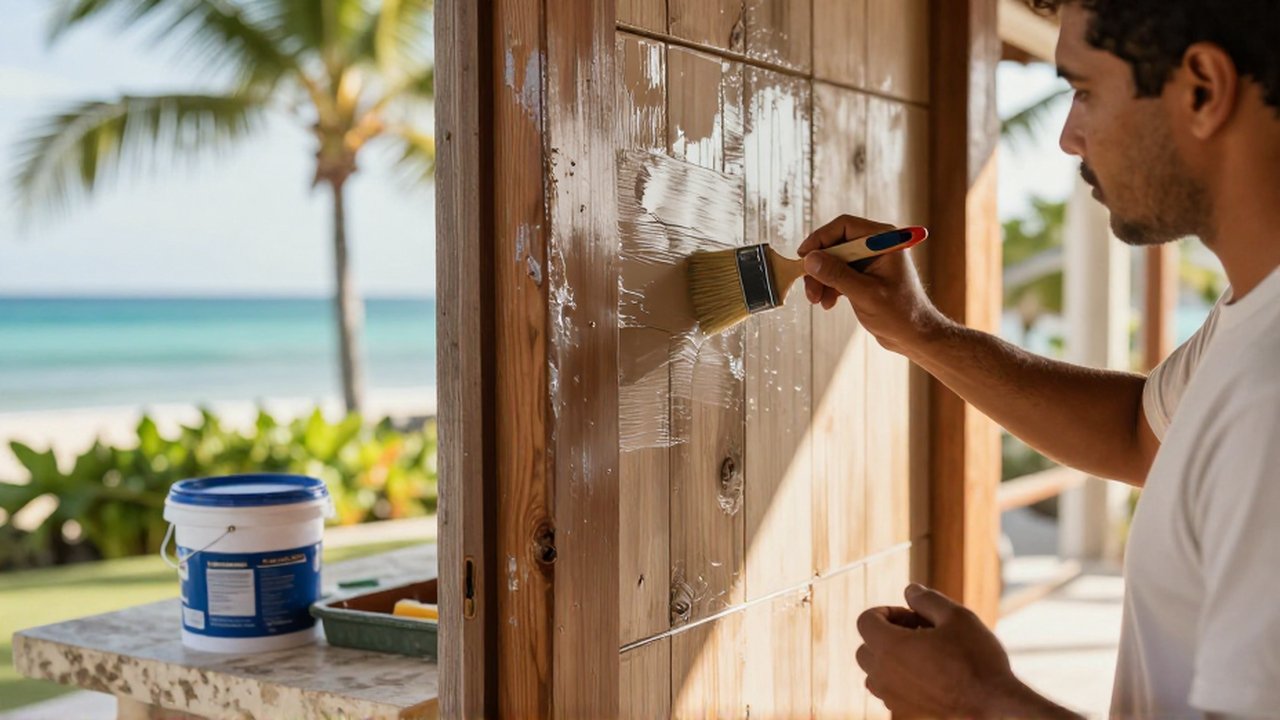
The tropical sun and salt air work together to degrade exterior finishes much faster than in inland areas. UV radiation can cause paint to fade and crack, while salt can cause adhesion failure, leading to peeling and bubbling. A well-maintained exterior serves as the first line of defense for the building's structure.
Choosing high-quality, marine-grade paints and coatings is a fundamental decision. These products are specifically formulated to withstand harsh UV exposure and resist salt penetration. When repainting, it is crucial to thoroughly clean the surface first to ensure no salt residue remains, as any trapped salt will cause the new layer of paint to fail prematurely.
Wood elements, such as decks, pergolas, and fences, require frequent sealing or staining. Wood is porous, meaning salt can settle deep within the grain, causing it to expand, contract, and eventually splinter. Regular applications of water-repellent sealants help close these pores and protect the organic material from the elements.
Maintaining roofing and gutter systems
The roof is the most critical component of a coastal home, as it bears the brunt of wind, rain, and salt. Coastal storms can be intense, and any weakness in the roof can lead to catastrophic water damage. Inspecting the roof should be a priority following any major weather event or seasonal change.
Check for signs of shingle lifting, cracked tiles, or damaged flashing around chimneys and vents. In coastal areas, gutters must be kept exceptionally clean. Salt and sand can accumulate in the troughs, creating a heavy sludge that slows drainage and can cause gutters to sag or overflow. This overflow can then direct water toward the foundation, compounding moisture problems.
Ensure that all roof penetrations, such as vents and pipes, are tightly sealed with weather-resistant caulking. Over time, the salt air can degrade the sealants used in these critical areas, making them brittle and prone to leaking. Periodic inspections by professionals can help identify subtle signs of wear that may not be visible from the ground.
Frequently asked questions
How often should I rinse my home with fresh water? While a full house wash is not necessary every week, rinsing metal fixtures, windows, and significant salt accumulations on decks with fresh water every few months can prevent much of the corrosive damage.
Is stainless steel completely maintenance-free in coastal areas? No. While stainless steel is much more resistant than other metals, it can still suffer from surface oxidation in high-salt environments. It still requires regular cleaning to maintain its appearance and integrity.
What is the best way to prevent mold indoors? Controlling indoor humidity is the most effective method. Use air conditioning or dehumidifiers to keep relative humidity levels between 40% and 50%, and ensure adequate airflow in closets and corners.
Should I use specialized sealants for my windows? Yes. In coastal zones, standard sealants may degrade quickly. Using marine-grade or high-performance silicone sealants provides better resistance to UV rays and salt-induced breakdown.
Leave a Reply