
Why humidity causes mold growth in tropical climates
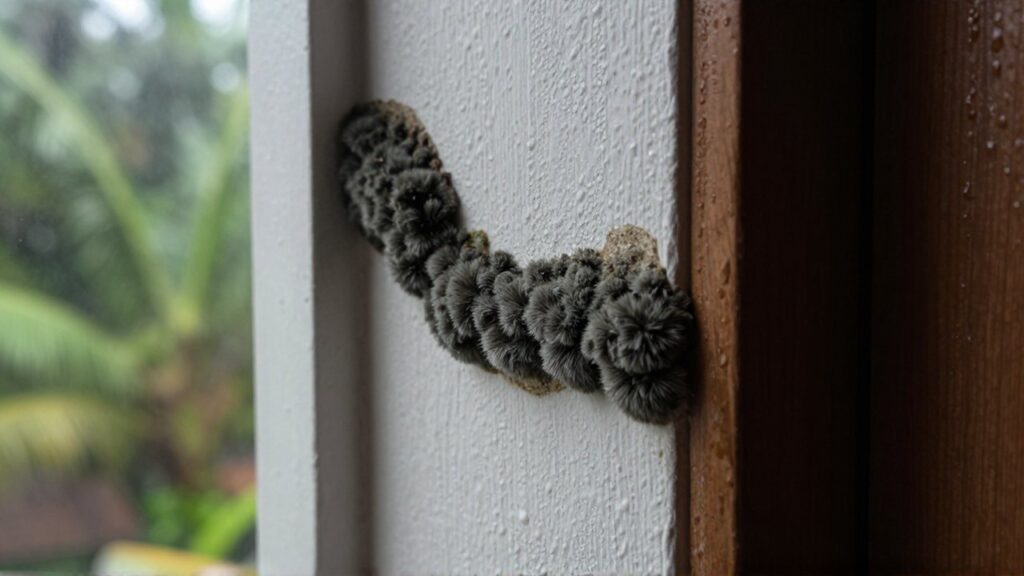
Introduction
Living in a tropical climate like the Dominican Republic means constant exposure to high levels of moisture in the air. Mold is a biological organism that thrives when specific environmental conditions are met, particularly when there is an abundance of water vapor. Understanding the relationship between humidity and mold is essential for any homeowner looking to protect their property, maintain air quality, and prevent structural damage.
When humidity remains consistently high, it creates a perfect incubator for fungal spores that are always present in the air. These spores land on surfaces, find moisture, and begin to grow into visible mold colonies. This process not only affects the aesthetics of a home but can also compromise the integrity of building materials and impact the well-being of those residing within the space.
The biological relationship between moisture and spores
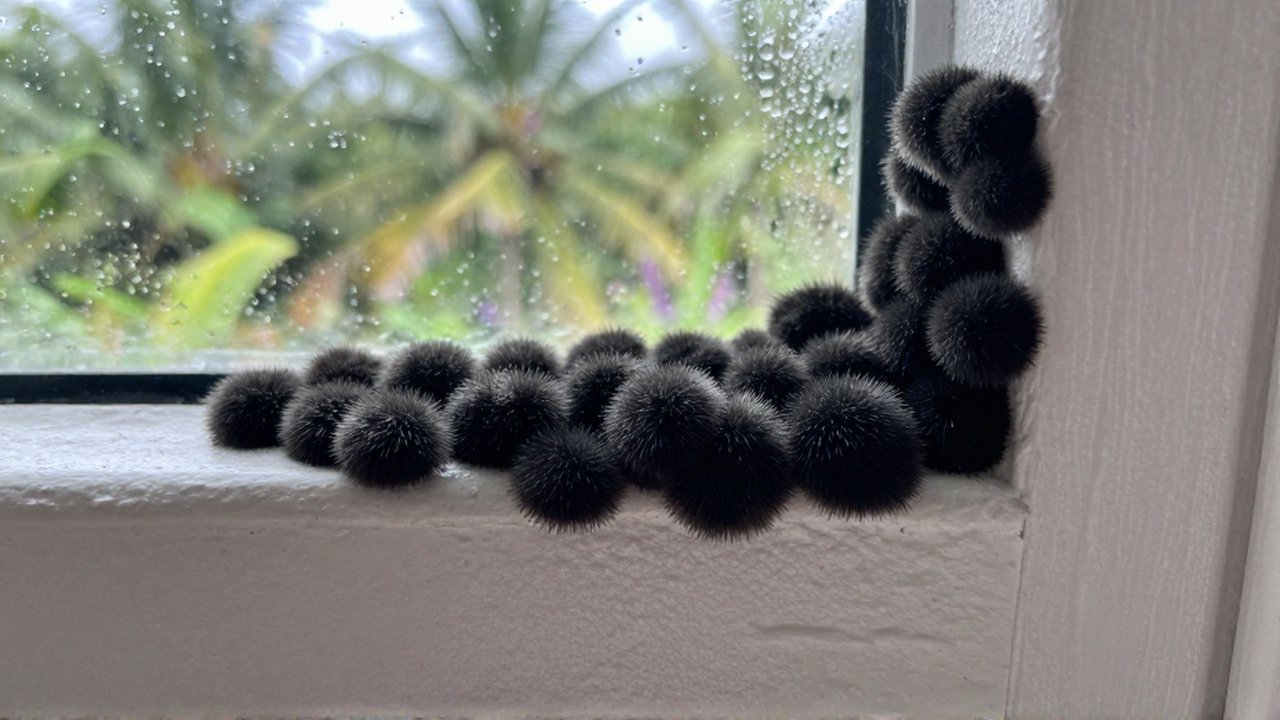
Mold is not a single entity but a diverse group of fungi that reproduce through microscopic spores. These spores are ubiquitous, meaning they are floating in the air even in a seemingly "clean" environment. To transition from a floating spore to a visible growing colony, the fungus requires three fundamental elements: a food source, a suitable temperature, and, most importantly, moisture.
In tropical regions, the temperature is almost always within the ideal range for fungal metabolic activity. Because the warmth is constant, the only variable that determines whether mold will bloom is the availability of water. When indoor relative humidity rises above 60%, the air becomes saturated enough that moisture begins to condense on cool surfaces, such as walls, windows, and inside closets. This condensation provides the direct liquid water that spores need to germinate and feed on organic materials like drywall, wood, fabric, and dust.
Why tropical environments accelerate the process
The rapid growth of mold in tropical climates is driven by the high hygroscopic nature of the environment. Humidity is the measure of water vapor in the air, and in the tropics, this level rarely drops below levels that favor fungal growth. This creates a continuous cycle where the environment is perpetually prepared for mold colonization.
Several factors contribute to this acceleration:
- High Ambient Humidity: Constant exposure to moisture from the ocean and tropical rainfall keeps the base humidity levels high.
- Thermal Mass and Condensation: Large structures often hold heat, but when warm, moist air meets a slightly cooler surface (like an air-conditioned wall), water droplets form immediately.
- Lack of Dry Seasons: While tropical regions have dry periods, the intense humidity during the rainy season can leave a lasting moisture footprint in porous materials.
- Poor Air Circulation: In many tropical homes, stagnant air in corners or behind furniture allows moisture to settle and stay, rather than evaporating.
Common areas prone to mold infestation
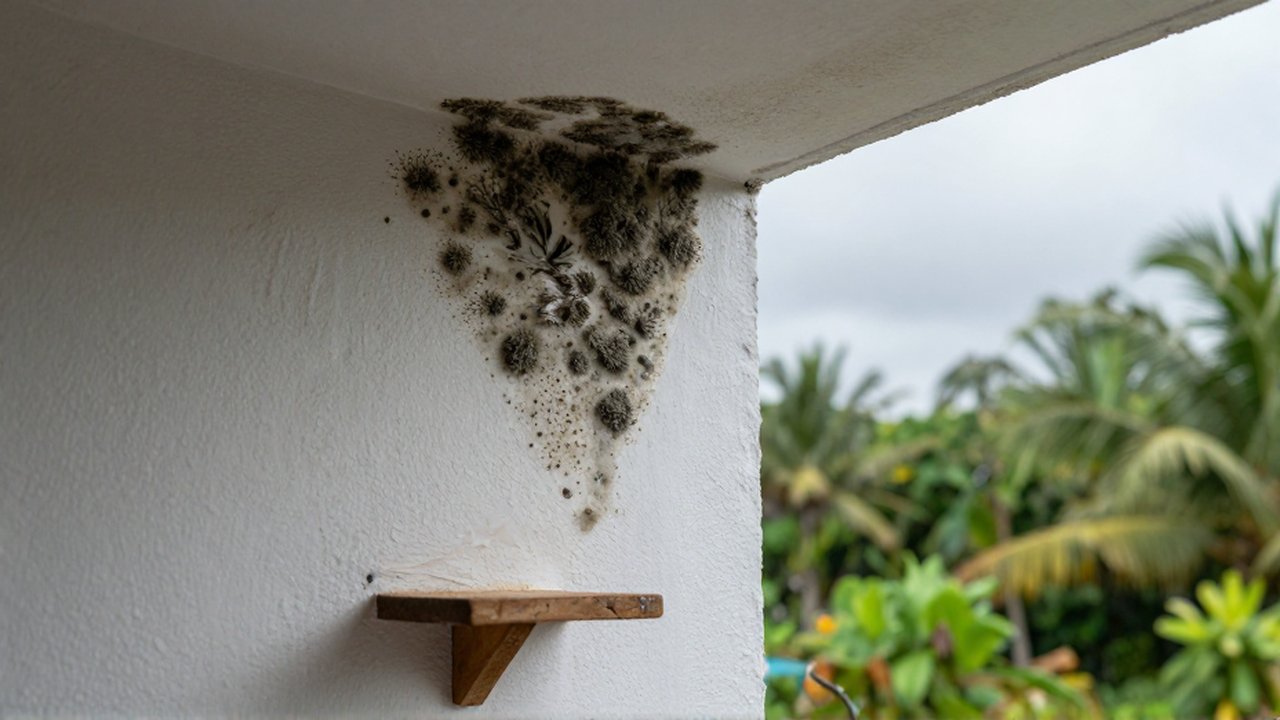
Identifying where mold is likely to appear is the first step in effective home maintenance. Not all surfaces are equal; mold prefers organic substrates that offer nutrients.
| Surface Type | Risk Level | Reason |
|---|---|---|
| Drywall and Plaster | High | Highly porous and often contains organic binders that feed mold. |
| Woodwork and Furniture | High | Provides an excellent organic food source and can trap moisture. |
| Fabrics and Curtains | Medium | Traps dust and moisture, providing a medium for growth. |
| Tile and Grout | Medium | While the tile is resistant, the porous grout can harbor spores. |
| Metal Surfaces | Low | Generally does not provide food, but can facilitate condensation. |
Closets, bathrooms, and kitchens are the highest-risk zones. Closets often lack airflow, leading to "dead zones" where moisture accumulates on clothes and walls. Bathrooms experience direct moisture from showers, which, if not ventilated, creates a steam-rich environment that settles on ceilings and walls.
Strategies to mitigate mold risk
While it is impossible to eliminate humidity entirely in a tropical setting, it can be managed through consistent habits and structural considerations. Prevention is significantly more cost-effective than remediation.
One of the most effective methods is improving ventilation. Using exhaust fans in bathrooms and kitchens, and ensuring that windows are opened during less humid times of the day, helps move air and prevent stagnation. Additionally, using air conditioning or dehumidifiers can actively remove water vapor from the indoor environment, bringing relative humidity down to a safer level, typically between 40% and 50%.
Maintaining the home's exterior is equally important. Ensuring that gutters are clear and that the ground slopes away from the house prevents water from pooling near the foundation. Inside, keeping furniture slightly away from walls allows air to circulate behind them, preventing the buildup of condensation that often leads to hidden mold growth.
Frequently asked questions
Can mold grow in a room with air conditioning? Yes. While air conditioning reduces humidity, mold can still grow if the unit is not sized correctly, if there is a leak in the AC system, or if moisture is introduced through open windows or high-humidity activities like cooking.
Is high humidity the only cause of mold? No, but it is the primary driver. Other factors include water leaks from pipes, roof leaks, and high concentrations of organic dust, but all of these issues require moisture to result in mold growth.
How can I tell if my humidity is too high? A simple way to monitor this is by using a hygrometer, a small and inexpensive device that measures relative humidity. If your readings consistently stay above 60%, you are in the high-risk zone for mold.
Does cleaning mold prevent it from coming back? Cleaning removes the visible colony, but it does not remove the underlying cause. If the high humidity or moisture source is not addressed, the mold spores will likely colonize the area again very quickly.
Leave a Reply