
Best compostable materials for tropical garden soil

Introduction
Composting is a vital practice for maintaining healthy soil in tropical environments like the Dominican Republic. Because tropical climates are characterized by high temperatures and heavy rainfall, soil nutrients tend to leach away quickly, leaving the earth depleted. By recycling organic matter into nutrient-rich compost, gardeners can rebuild soil structure, increase water retention, and provide a steady supply of essential minerals to their plants.
Using the right materials is essential to ensure the decomposition process is efficient and does not attract unwanted pests. In a tropical setting, the high humidity and heat can accelerate decomposition, which is a significant advantage if you balance your materials correctly. This guide explores which organic substances work best to create high-quality compost tailored for tropical garden needs.
Benefits of composting in tropical climates
Composting serves as a natural fertilizer that improves the physical and chemical properties of the soil. In regions with intense sun and seasonal heavy rains, the soil often becomes compacted or loses its ability to hold moisture. Organic compost acts like a sponge, helping the ground retain water during dry spells while improving drainage during the rainy season.
Furthermore, adding compost introduces beneficial microorganisms to the soil. These microbes break down organic matter and make nutrients more accessible to plant roots. This biological activity is crucial in the tropics, where the rapid turnover of organic matter can sometimes lead to a "hungry" soil that requires constant nourishment to support lush, green growth.
Essential green materials for nitrogen supply
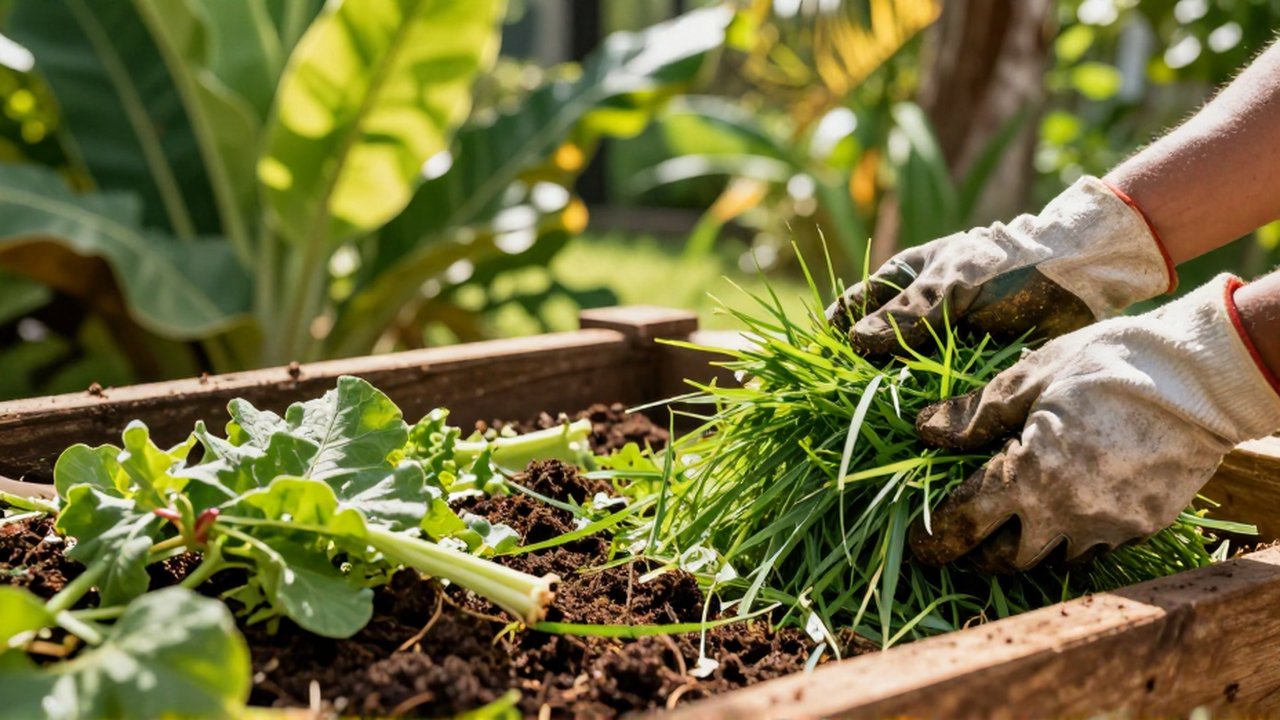
Green materials, often referred to as "nitrogen-rich" components, are the engine of your compost pile. They provide the protein and nutrients necessary for the microorganisms to multiply and work effectively. In a tropical garden, you can find an abundance of these materials throughout the year.
Common nitrogen-rich sources include:
- Fruit and vegetable scraps: Peelings, cores, and leftover kitchen scraps are excellent sources of moisture and nutrients.
- Fresh grass clippings: These decompose very quickly due to their high nitrogen content, though they should be spread thinly to avoid matting.
- Coffee grounds: These are highly effective for boosting nitrogen and are often easily accessible.
- Green plant trimmings: Leaves and soft stems from garden maintenance provide a direct source of organic matter.
While green materials are vital, relying solely on them can lead to a slimy, smelly pile. They must be balanced with "brown" materials to ensure proper aeration.
Effective brown materials for carbon balance
Brown materials, or "carbon-rich" components, provide the energy source for microbes and are crucial for creating air pockets within the compost pile. Without enough brown materials, a compost pile in a humid climate can become anaerobic, leading to unpleasant odors and slow decomposition.
Top carbon-rich materials for tropical gardens:
- Dried leaves: Fallen leaves from local trees are one of the most abundant and free resources available.
- Cardboard and paper: Shredded, non-glossy cardboard helps provide structure and carbon.
- Coco coir or coconut husks: In tropical regions, coconut waste is an incredible resource. It provides excellent aeration and holds moisture without becoming soggy.
- Wood chips and sawdust: These take longer to break down but are excellent for long-term soil conditioning.
| Material Type | Primary Function | Decomposition Speed |
|---|---|---|
| Green Materials | Provides Nitrogen | Fast |
| Brown Materials | Provides Carbon & Air | Slow to Medium |
| Coconut Waste | Structure & Moisture | Medium |
Balancing the compost pile for success
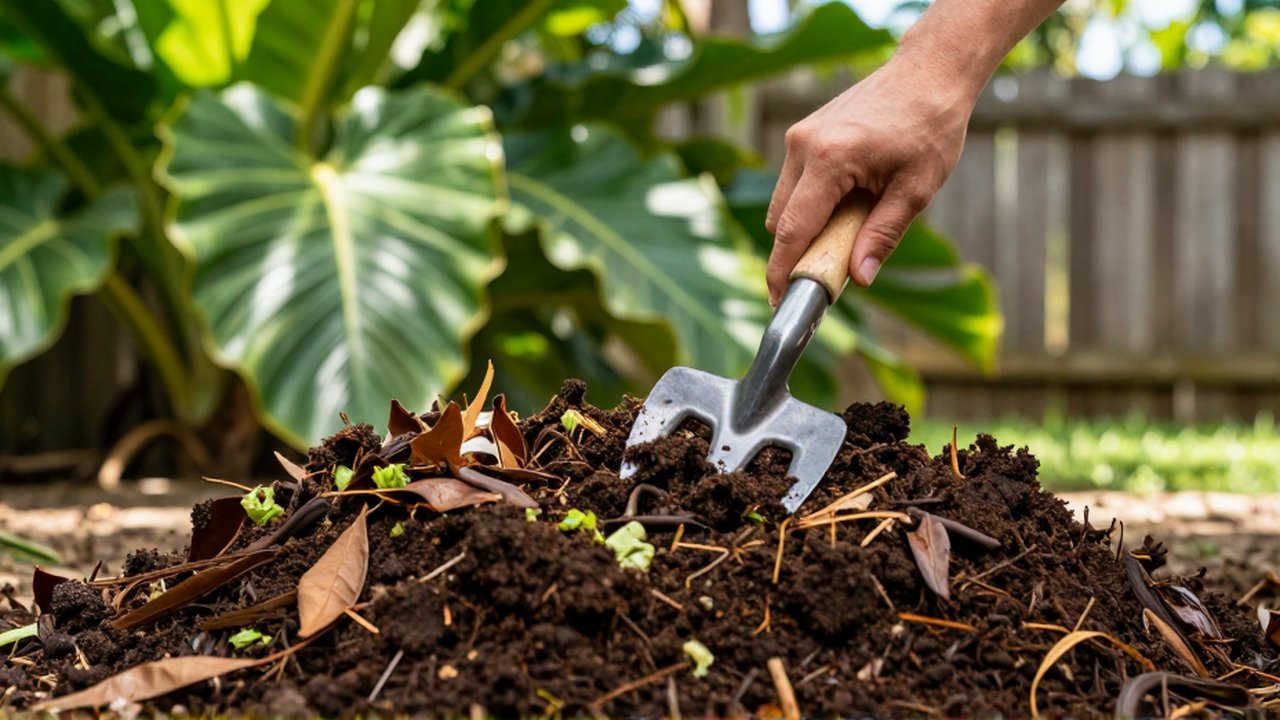
The key to successful composting is the ratio between green and brown materials. A common rule of thumb is to aim for a higher volume of brown materials compared to green ones. In the tropics, because the heat speeds up the process, an imbalance can quickly turn a compost pile into a wet, compacted mass.
To maintain a healthy pile, ensure you have plenty of "structure" materials, such as small twigs or coconut husks, to allow oxygen to reach the center. If your pile smells bad, it likely has too much nitrogen or too much moisture; adding more dry, brown material will help fix this. If the pile is not heating up or decomposing, it may need more green material or a bit of water.
Common mistakes to avoid in tropical composting
One frequent error is adding materials that attract pests or create sanitation issues. In warm climates, certain items decay so rapidly that they can become a breeding ground for flies or rodents. Avoid adding meat, dairy, oily foods, or pet waste to your compost pile.
Another mistake is overwatering. While compost needs moisture to thrive, tropical humidity means the pile can easily become waterlogged. A waterlogged pile lacks oxygen, which halts the beneficial decomposition process and causes a foul smell. Always check the moisture level by squeezing a handful of compost; it should feel like a wrung-out sponge, not a dripping wet mass.
Frequently asked questions
Can I use citrus peels in my compost? Yes, citrus peels can be used in moderation. While they are great for nitrogen, having too many in one area can increase the acidity of the pile, which might slow down certain microbes.
How long does it take to make compost in a tropical climate? Because of the high heat and humidity, compost often breaks down much faster in the tropics than in cooler climates. Depending on how often you turn the pile, you may see finished compost in a few months.
Do I need to turn my compost pile? Turning the pile introduces oxygen, which is essential for the aerobic bacteria that break down organic matter. In tropical heat, turning the pile regularly helps prevent the center from becoming too hot or compacted.
What should I do if my compost smells like rotten eggs? A sulfur-like smell usually indicates a lack of oxygen (anaerobic conditions). To fix this, mix in more brown, carbon-rich materials and turn the pile thoroughly to introduce air.
Leave a Reply