
Best practices to avoid mosquito breeding in gardens
Introduction
Maintaining a healthy garden in tropical environments requires more than just pruning plants and fertilizing soil; it demands a proactive approach to pest management. Mosquitoes are particularly problematic because they do not just cause discomfort through bites; they serve as vectors for various diseases. Understanding how to manage your outdoor space to prevent their reproduction is essential for protecting your family and ensuring your garden remains a pleasant place to spend time.
The primary goal of mosquito control in a garden setting is to eliminate standing water, which serves as the essential breeding ground for larvae. By implementing strategic maintenance routines, you can significantly reduce the mosquito population naturally. This proactive prevention is most effective when done consistently, especially during rainy seasons when water accumulates more frequently in various corners of your outdoor living areas.
Eliminate standing water sources

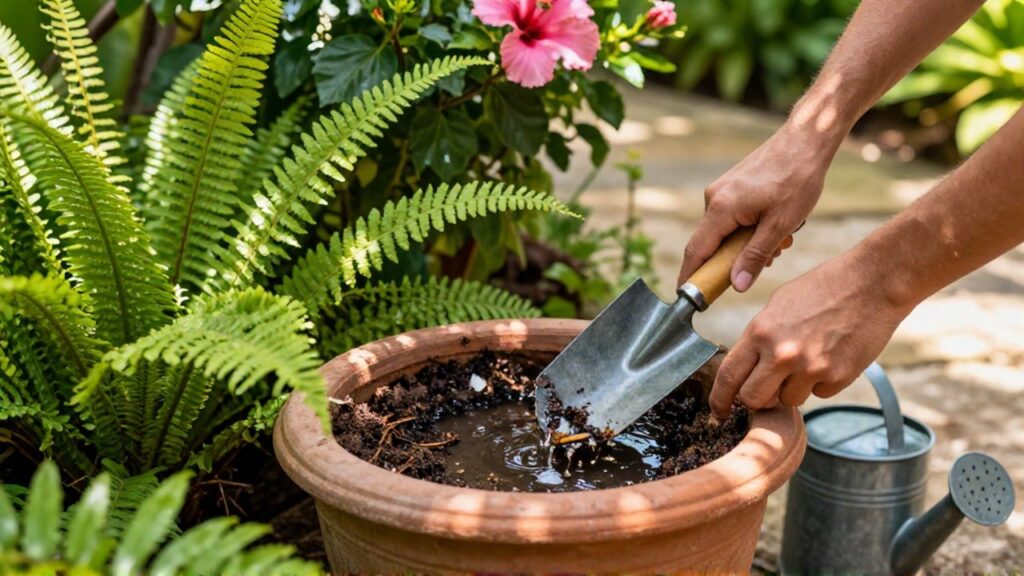
The most effective way to control mosquito populations is to disrupt their life cycle by removing the water they need to breed. Mosquitoes can lay eggs in very small amounts of water, often in containers that seem insignificant. Regularly inspecting your garden to ensure no water is trapped is a fundamental step in prevention.
Check regularly for items that collect rainwater, such as empty flower pots, discarded containers, or forgotten garden tools. Even a small cap from a bottle or a hollow in a tree trunk can hold enough water to support several larvae. If you use decorative birdbaths or water features, ensure they are cleaned frequently. If you cannot drain them, consider using specialized biological treatments designed to kill larvae without harming other wildlife, or ensure the water is constantly moving, as mosquitoes prefer stagnant environments.
Manage garden drainage and soil
Poor drainage is a common but often overlooked cause of mosquito problems. When water pools in certain areas of the yard after a heavy rain, it creates a perfect nursery for pests. Identifying these low spots is the first step toward a more hygienic garden.
To improve drainage, you may need to regrade specific sections of your landscape to encourage water to flow toward drainage systems or away from the house. Ensure that your gutters and downspouts are clear of debris; clogged gutters are one of the most frequent contributors to standing water near the home. Additionally, check that your irrigation system is not overwatering certain areas, leading to muddy patches or constant puddles. Proper soil aeration and the installation of gravel or French drains can also be highly effective long-term solutions.
Maintain plant health and garden structure

A dense, overgrown garden provides the shade and humidity that adult mosquitoes crave. While lush greenery is desirable, excessive clutter can create microclimates that keep mosquitoes active and protected from wind and sunlight.
Pruning shrubs and thinning out dense foliage helps improve air circulation throughout the garden. Increased airflow makes it harder for mosquitoes to find resting spots and can help the soil dry out faster after rainfall. Furthermore, keep your lawn neatly trimmed. Long grass provides cover for adult mosquitoes to hide during the heat of the day. By maintaining a tidy garden structure, you reduce the available "real estate" for pests to inhabit.
Common mistakes in mosquito prevention
Many homeowners struggle with mosquito control because they overlook subtle details or rely on ineffective methods. Understanding these common errors can save time and effort.
- Ignoring the edges: People often check large pools but forget the small saucers under potted plants.
- Over-reliance on chemicals: Relying solely on sprays can be expensive and may not address the root cause, which is standing water.
- Neglecting seasonal changes: Failing to adjust maintenance routines when the rainy season begins can lead to sudden population spikes.
- Assuming moving water is always safe: While moving water is better, very slow-moving water in decorative ponds can still host larvae if not properly aerated.
Frequently asked questions
How often should I check my garden for standing water? During the dry season, a weekly inspection is usually sufficient. However, during the rainy season or immediately after heavy storms, you should inspect your garden more frequently, perhaps every few days, to ensure no new puddles have formed.
Can I use mosquito repellent in my garden? Repellents are generally used on the skin or clothing for personal protection. To manage the garden environment, it is much more effective to focus on "source reduction," which means removing the water where they breed, rather than trying to spray the entire landscape.
Do birdbaths attract mosquitoes? Yes, if the water is stagnant. To prevent this, you should change the water in birdbaths every two to three days or use a small pump to keep the water moving, as mosquito larvae cannot survive in moving water.
Is it safe to use soaps to kill mosquito larvae in water? While some household soaps can disrupt the surface tension of water, it is generally better to use approved biological controls that are specifically designed for garden environments to avoid harming beneficial insects or birds.
Leave a Reply