
Essential fruit tree seeds for Dominican backyard gardens

Introduction
Cultivating a backyard orchard in the Dominican Republic is a rewarding endeavor that enhances food security, provides shade, and adds aesthetic value to your property. Selecting the right fruit tree seeds is the first and most critical step in ensuring a successful harvest. Because the Caribbean climate is characterized by high humidity, intense tropical sun, and distinct wet and dry seasons, choosing species that are naturally adapted to these conditions is vital for long-term growth and minimal maintenance.
Starting from seed allows a gardener to experience the full lifecycle of a plant, though it requires patience and an understanding of local soil conditions. By planting native or naturalized fruit trees, you reduce the need for heavy chemical interventions and create a microclimate that can lower temperatures around your home. This guide focuses on the best seed options to transform a Dominican backyard into a productive, edible landscape.
Best fruit tree varieties for tropical climates
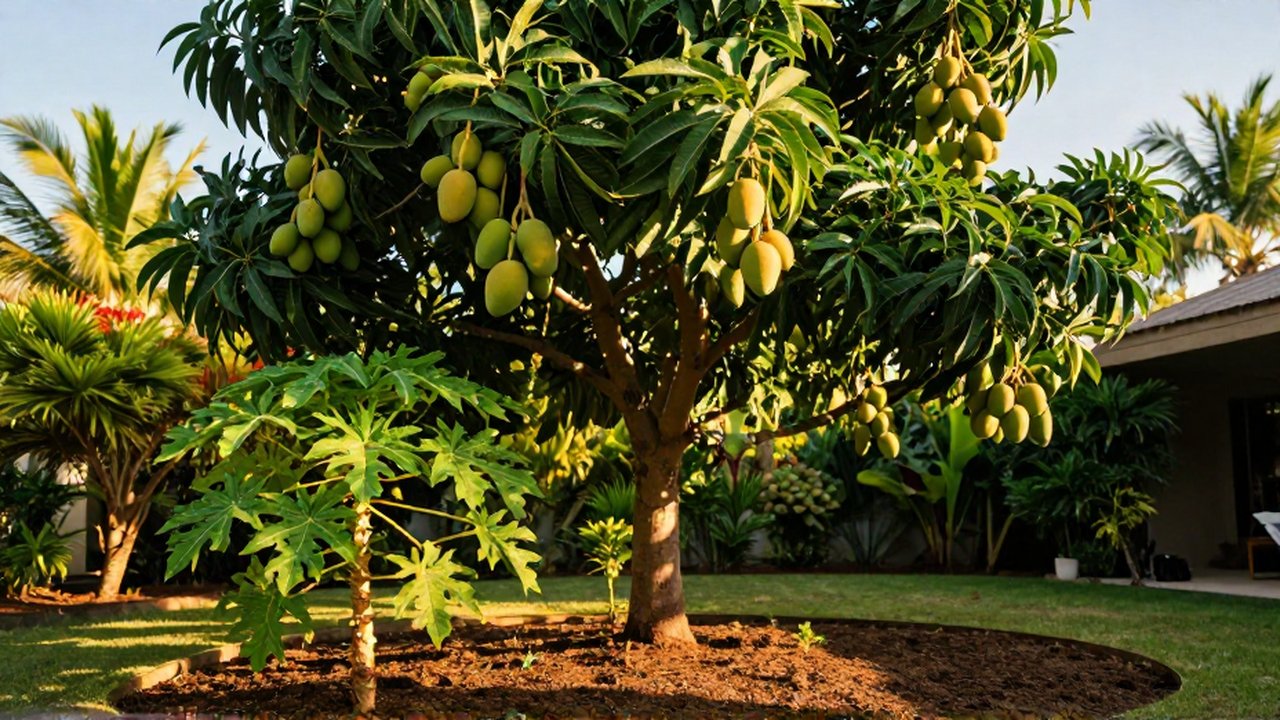
When selecting seeds for a Dominican backyard, the goal is to choose varieties that thrive in heat and can withstand sudden heavy rainfall. The following fruits are staples in the region and are well-suited for home gardening.
Mango (Mangifera indica) Mangoes are perhaps the most iconic tropical fruit. Growing them from seed is highly achievable. They require well-draining soil and plenty of sunlight. While a seedling may take several years to produce fruit, once established, they provide deep shade and consistent yields.
Citrus varieties Citrus trees, such as lime, lemon, and orange, are excellent for small backyards. They are resilient and can be managed through pruning to control their size. Citrus seeds are easy to source from fresh fruit, though they should be planted promptly to maintain high germination rates.
Papaya (Carica papaya) Although technically a large herb rather than a woody tree, the papaya is an essential addition to any tropical garden. They grow very quickly from seed, providing fruit much sooner than most other species. They thrive in warm temperatures and require minimal space, making them perfect for smaller yards.
Guava (Psidium guajava) Guava trees are incredibly hardy and can adapt to various soil types, including those with slightly higher acidity. They are excellent for biodiversity, as their flowers attract pollinators like bees.
Selection criteria for successful germination
Not every seed found in a piece of fruit is destined to become a robust tree. To ensure your gardening efforts are not wasted, consider these decision factors:
- Seed Maturity: Only use seeds from fruits that are fully ripe. Underripe seeds often lack the necessary energy reserves to trigger germination.
- Source Integrity: While many gardeners use seeds from supermarket fruit, seeds taken from local, organic, or heirloom fruits often show better adaptation to the local Dominican environment.
- Drying and Storage: If you are not planting immediately, seeds must be treated correctly. Some seeds need to be planted fresh (like papaya), while others may require a brief drying period to prevent mold in the high humidity.
- Soil Drainage: Regardless of the seed, the planting site must have excellent drainage. Tropical plants often suffer from root rot if the soil becomes waterlogged during the rainy season.
Common mistakes in tropical seed starting
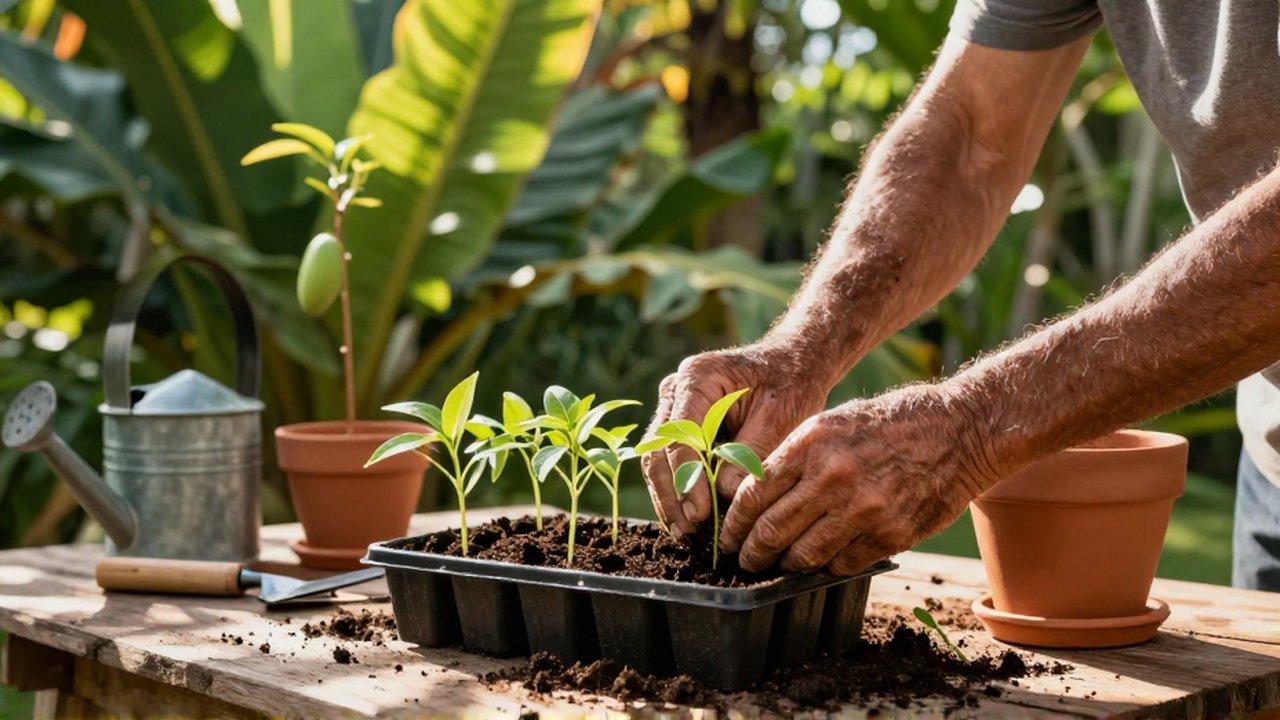
Many new gardeners face setbacks due to preventable errors. Being aware of these pitfalls can save time and resources.
One frequent mistake is overwatering young seedlings. While tropical plants love moisture, constant saturation in a pot or garden bed can kill a delicate sprout before it establishes a root system. It is better to allow the top layer of soil to dry slightly between waterings.
Another issue is planting too deep. Seeds have a specific energy budget to reach the surface. If buried too deep, the seedling may exhaust itself before it breaks through the soil crust. Following the general rule of planting a seed at a depth of twice its diameter is usually a safe practice.
Lastly, ignoring sunlight requirements can lead to weak, "leggy" plants. Many fruit trees require full sun to develop the strength needed for fruit production. If seedlings are kept in too much shade during their early stages, they may become spindly and susceptible to pests.
Frequently asked questions
How long does it take for fruit trees grown from seed to produce fruit? The timeline varies significantly by species. Papaya can produce fruit within a year, whereas mango or citrus trees may take several years to reach maturity.
Can I grow fruit trees in containers? Yes, many varieties like citrus and certain guava types can thrive in large pots. This is an excellent option for those with limited space or poor soil quality.
Does the humidity affect seed germination? High humidity can help keep seeds moist, but it also increases the risk of fungal growth. It is important to ensure good air circulation around young seedlings to prevent mold.
Should I plant seeds during the rainy season? While the rain provides natural moisture, the extreme moisture can sometimes lead to rot. Many gardeners prefer to plant at the beginning of the wet season so the plants can establish themselves before the dry season arrives.
Leave a Reply