
How to accelerate compost decomposition in high heat
Introduction
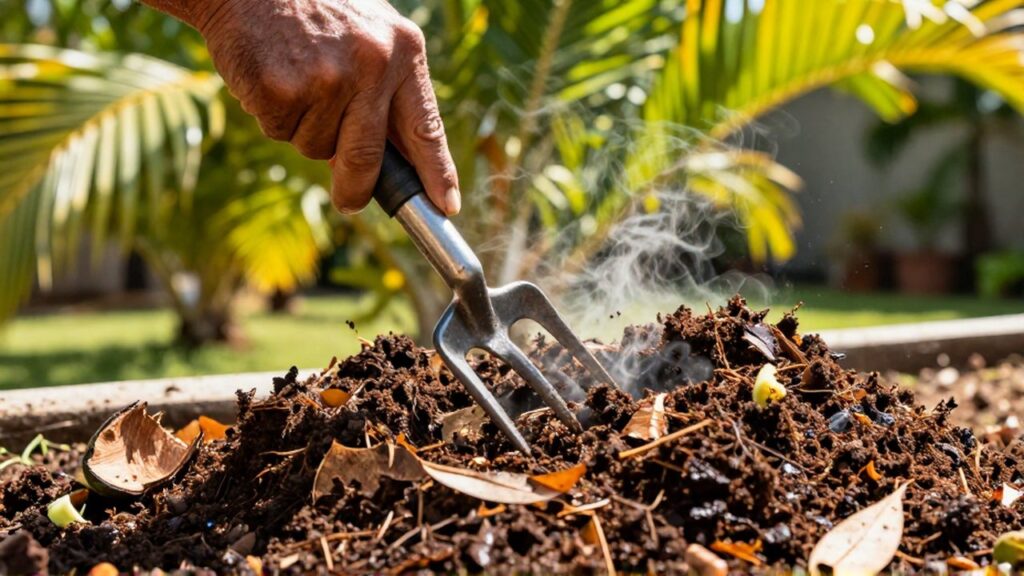
Composting is the natural process of recycling organic matter, such as food scraps and garden waste, into a nutrient-rich fertilizer that enhances soil health. In tropical or warm climates, the high ambient temperatures can significantly influence the speed at which microorganisms break down this material. When managed correctly, high heat can turn a compost pile into a highly efficient biological reactor, speeding up the production of "black gold" for your garden.
However, excessive heat presents unique challenges. If the pile becomes too hot and dry, the beneficial bacteria responsible for decomposition may die off or go dormant, effectively stalling the process. Understanding how to balance moisture, aeration, and material composition is essential to harnessing the power of high temperatures to achieve rapid results without ruining your compost heap.
Importance of moisture management in hot climates
In high-heat environments, evaporation occurs much faster than in temperate zones. Moisture is the lifeblood of a compost pile because the microorganisms that decompose the organic matter require a thin film of water to move, eat, and reproduce. If the pile dries out, decomposition will grind to a halt, regardless of how much organic matter you add.
To maintain the ideal moisture level, the compost should feel like a wrung-out sponge. This means it should be damp to the touch but not dripping wet. In intense heat, you may need to water your compost pile more frequently. A useful tip is to check the center of the pile, as the exterior may look dry while the interior remains moist, or vice versa.
Adding water during the turning process is often the most effective method. As you aerate the pile, the water can be distributed more evenly through the various layers, ensuring that the microscopic workers deep within the heap remain active.
Optimizing the carbon to nitrogen ratio
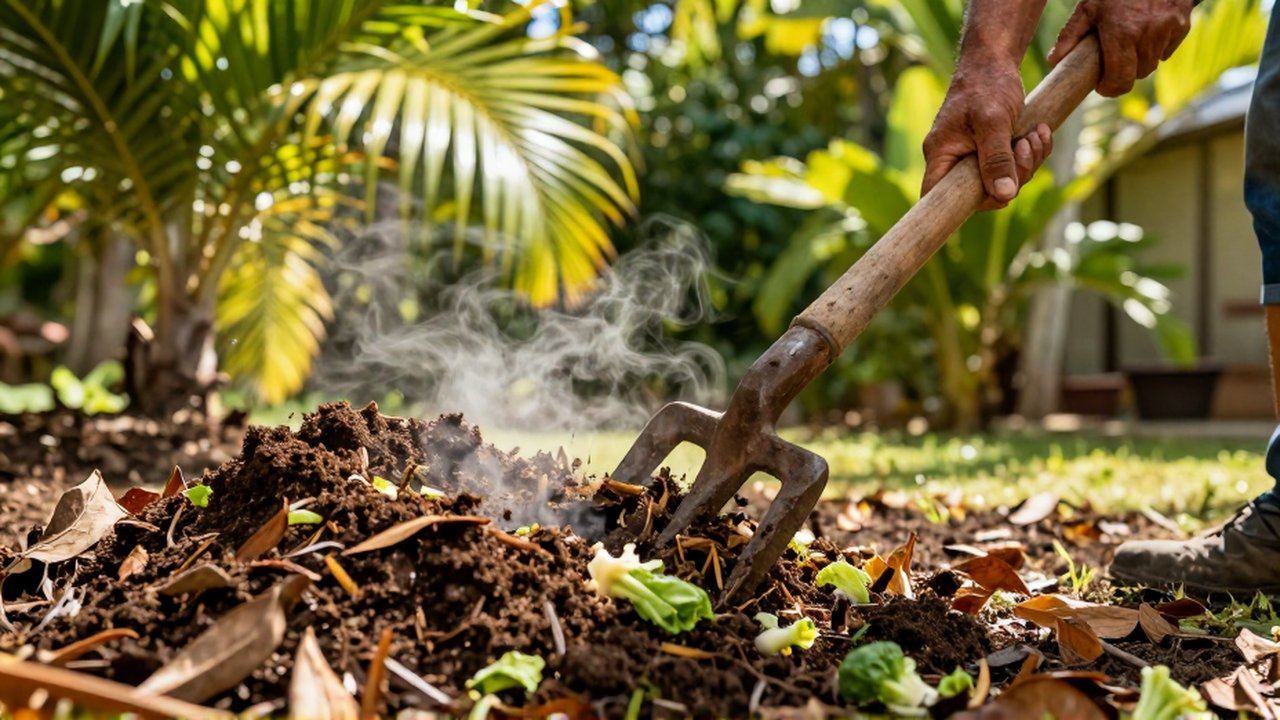
The chemical makeup of your compost pile is the primary driver of its internal temperature. To accelerate decomposition, you must maintain a healthy balance between "greens" (nitrogen-rich materials) and "browns" (carbon-rich materials). Nitrogen acts as the fuel that heats the pile, while carbon provides the energy source for the microbes.
| Material Type | Common Examples | Role in Compost |
|---|---|---|
| Greens (Nitrogen) | Fruit scraps, vegetable peels, fresh grass clippings, coffee grounds | Provides protein for microbial growth and generates heat |
| Browns (Carbon) | Dried leaves, cardboard, straw, sawdust, shredded paper | Provides energy and maintains structure/aeration |
A common mistake in hot climates is adding too many nitrogen-rich materials at once. While this spikes the temperature, it can also lead to anaerobic conditions (lack of oxygen) and unpleasant odors. Aim for a balanced mixture where the browns are chopped into small pieces to ensure they don't mat together, which would block airflow.
Maximizing aeration and oxygen flow
Microbial activity requires oxygen. In high heat, the metabolic rate of these organisms increases, meaning they consume oxygen much faster than they would in cooler weather. If the pile becomes compacted, oxygen levels will drop, leading to fermentation rather than aerobic decomposition.
Frequent turning is the most effective way to introduce oxygen. Using a compost aerator or a pitchfork to flip the pile every few days helps redistribute moisture and prevents the center from becoming a stagnant, oxygen-depleted zone.
If you find that turning the pile manually is too labor-intensive, consider using "aeration chimneys." These are perforated pipes or sturdy sticks placed vertically in the center of the pile. They create channels that allow air to penetrate the core of the heap, facilitating deeper microbial activity.
Size and placement of the compost pile
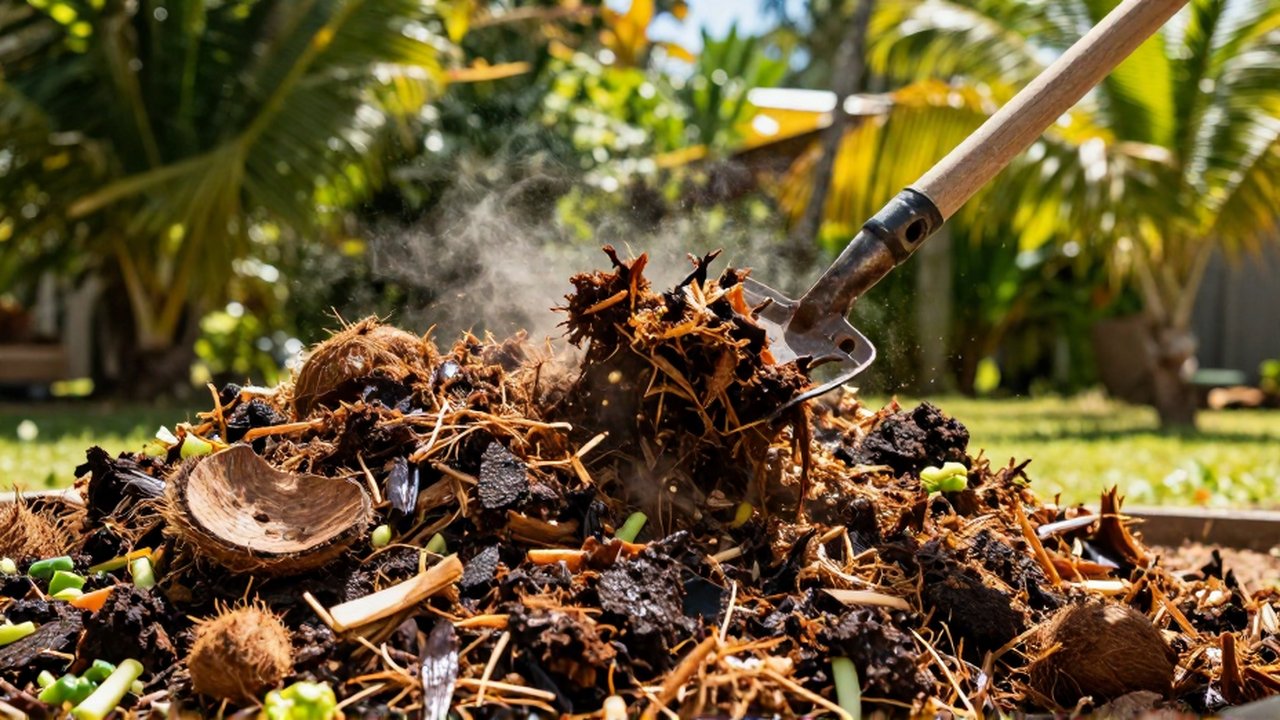
The physical location and scale of your compost system play a significant role in how heat affects decomposition. A pile that is too small will lose heat too quickly to the environment, making it difficult to maintain the high temperatures necessary for rapid breakdown. Conversely, a pile that is too large and poorly managed can become an impenetrable mass that is difficult to aerate.
For optimal heat retention and decomposition speed, aim for a pile size that is at least one cubic meter. This mass is large enough to insulate itself and maintain internal heat even if the surface is exposed to high winds or sun.
Placement is equally important. In regions with intense sunlight, placing your compost pile in a partially shaded area can prevent excessive evaporation. A spot that receives morning sun but is sheltered during the hottest part of the afternoon provides the best balance of warmth and moisture protection.
Common mistakes to avoid
One frequent error is adding large, intact chunks of organic matter. Large pieces take much longer to break down, regardless of the temperature. To accelerate the process, shred or chop your materials into smaller fragments before adding them to the heap. This increases the surface area available for microbes to attack.
Another error is neglecting the "brown" component. In tropical environments, it is easy to accumulate a lot of green garden waste or kitchen scraps. Without enough carbon-rich materials to provide structure, the pile will turn into a slimy, smelly mess. Always keep a supply of dry leaves or shredded cardboard nearby to balance out any new green additions.
Frequently asked questions
Why does my compost smell like ammonia? An ammonia smell usually indicates an excess of nitrogen. This happens when there are too many "greens" and not enough "browns." To fix this, mix in more carbon-rich materials like dried leaves or cardboard and turn the pile to aerate it.
How can I tell if my compost is too hot? If the pile is producing steam and a very strong heat, it is likely functioning well. However, if you notice that the decomposition has stopped and the pile feels bone-dry, the heat has likely killed off the beneficial microbes. You need to add water and more nitrogen to restart the process.
Can I use a compost bin in high heat? Yes, but you must be more vigilant about moisture. Closed bins can retain heat well, but they can also dry out quickly if they are not shielded from direct sun. Ensure the bin has adequate ventilation holes to allow oxygen to reach the center.
How long does it take to see finished compost? While it varies based on management, a well-maintained, hot compost pile can produce usable material in as little as a few months. If the pile is poorly managed or lacks oxygen, it may take a year or more to fully decompose.
Leave a Reply