
How to choose between drip and sprinkler irrigation systems
Introduction
Choosing the right irrigation method is one of the most critical decisions for maintaining a healthy garden or landscape. An efficient irrigation system ensures that plants receive the exact amount of water they need to thrive while minimizing waste. In tropical or warm climates, where evaporation rates can be high, selecting the wrong method can lead to excessive water bills, plant disease, or even much higher maintenance costs over time.
The choice typically boils down to two primary technologies: drip irrigation and sprinkler systems. While both serve the same fundamental purpose of delivering water to your plants, they operate on completely different principles. Understanding the mechanics, benefits, and limitations of each will allow you to tailor your watering strategy to your specific plant types, soil conditions, and budget.
Understanding drip irrigation mechanics
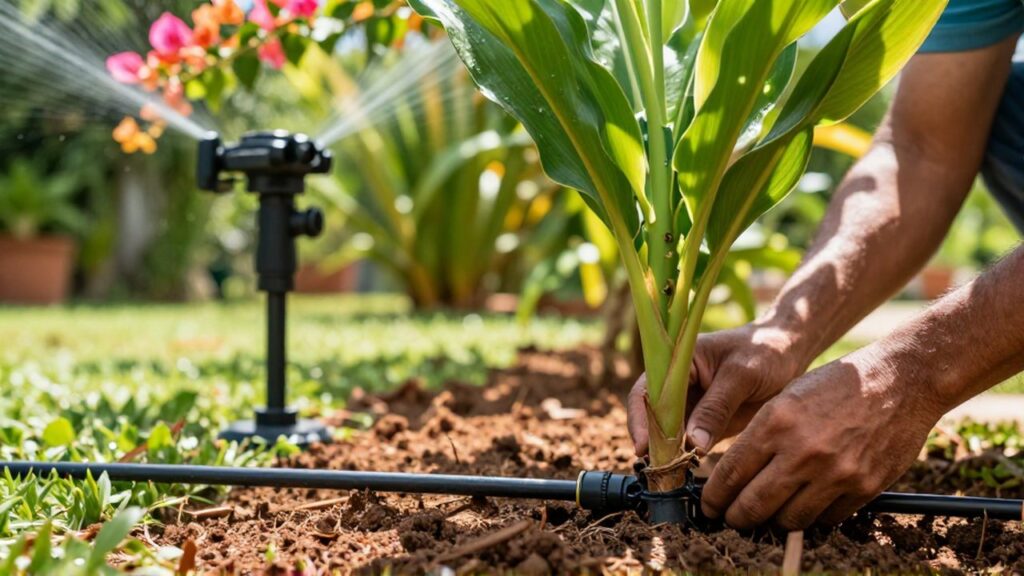
Drip irrigation, often referred to as micro-irrigation, works by delivering water slowly and directly to the root zone of individual plants. This is achieved through a network of flexible tubes, emitters, and connectors. Instead of wetting the entire area, the water "drips" at a controlled rate, creating a localized moist zone exactly where the plant needs it most.
This method is exceptionally precise. Because the water is applied directly to the soil, it minimizes evaporation and prevents water from reaching the foliage. This is a significant advantage in preventing fungal diseases, which often thrive when leaves stay wet for extended periods. Drip systems are ideal for container gardens, vegetable patches, and ornamental plants with specific moisture requirements.
Common uses for sprinkler systems
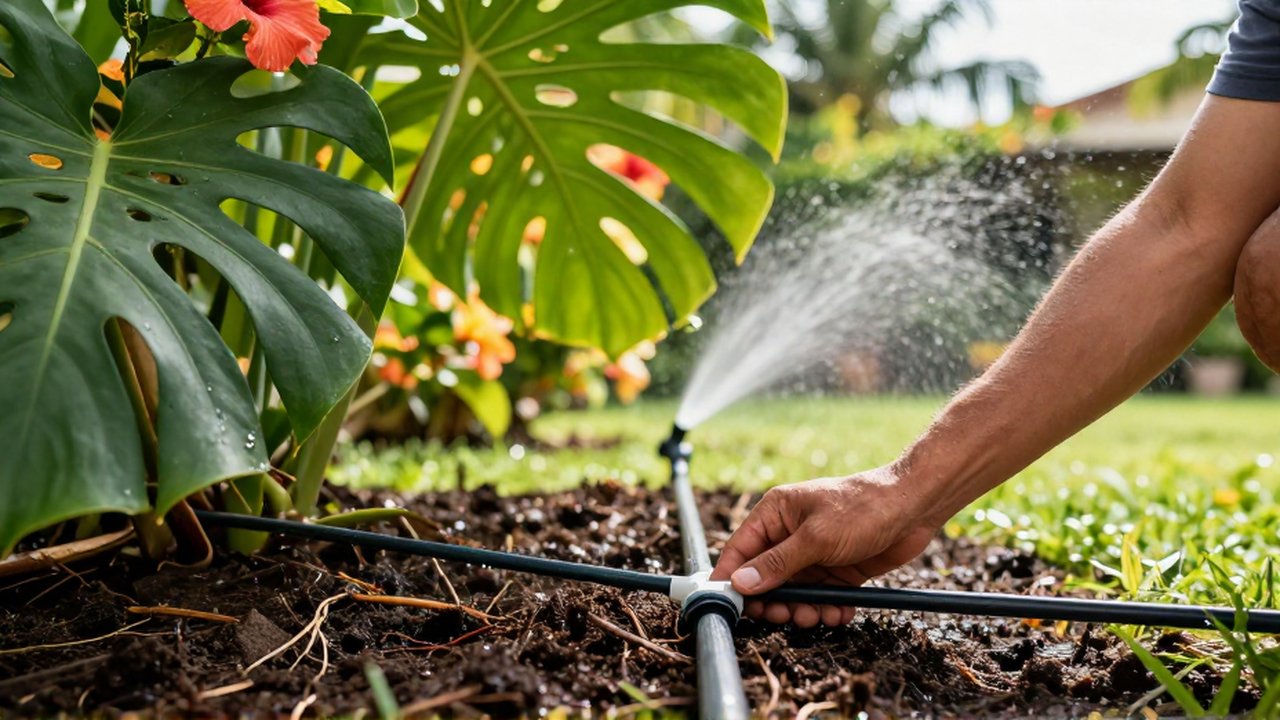
Sprinkler systems are designed to distribute water over a much larger area through a pressurized spray. These systems use nozzles to break water into droplets or fine mists, covering a wide radius. They are often installed in lawn areas or large landscape beds where uniform coverage is more important than targeted delivery.
Sprinklers are highly effective for maintaining expansive green spaces like grass lawns, which require a consistent film of moisture across their entire surface. They are easier to install for wide-open areas and can be automated to cover large sections of a property in a single cycle. However, they are less efficient in terms of water conservation compared to drip systems because they expose water to the wind and sun during distribution.
Comparison of key differences
To make an informed decision, it is helpful to compare these two methods across several practical dimensions. The following table outlines how they differ in typical garden scenarios:
| Feature | Drip Irrigation | Sprinkler Systems |
|---|---|---|
| Water Efficiency | Very High (minimal evaporation) | Moderate (higher evaporation) |
| Targeting | Direct to roots | Wide area coverage |
| Best For | Gardens, shrubs, vegetables | Lawns, large open spaces |
| Maintenance | Checking for clogged emitters | Adjusting nozzle spray patterns |
| Disease Risk | Low (foliage stays dry) | Higher (wet leaves) |
| Installation | Precise and detailed | Scalable and broad |
Criteria for making your decision
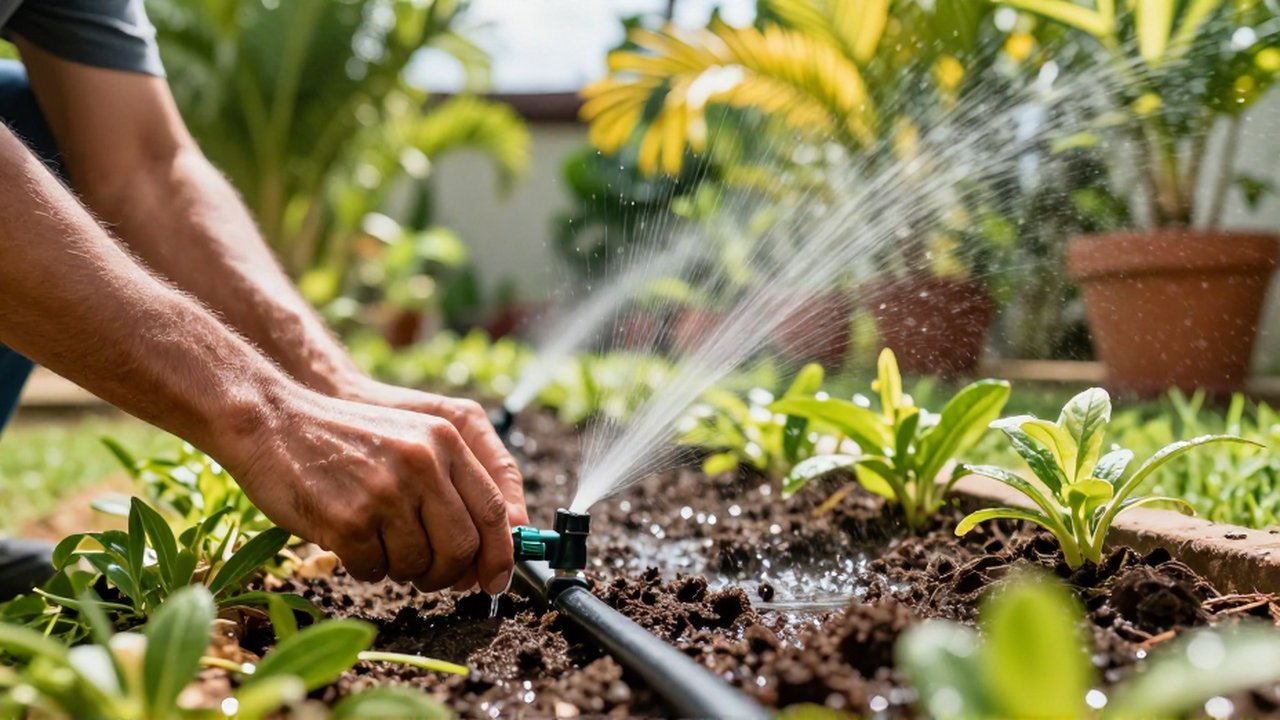
When deciding which system to implement, consider the following factors to ensure the best long-term results for your landscape.
Plant Type and Layout If your garden consists of individual plants spaced apart, such as rose bushes, fruit trees, or a vegetable garden, drip irrigation is the superior choice. If you have continuous ground cover like turf grass, a sprinkler system is almost always necessary.
Soil Composition and Topography In sandy soils, water tends to drain vertically very quickly; drip irrigation can help by providing a slow, steady soak. In clay-heavy soils, sprinklers might cause runoff if the water is applied too quickly. Additionally, on sloped terrain, drip irrigation is safer because it delivers water slowly, reducing the risk of erosion and downhill runoff.
Water Availability and Cost If water is a scarce or expensive resource in your area, the high efficiency of drip irrigation will provide significant cost savings. Sprinklers, while easier to manage for large areas, often result in more "lost" water due to wind drift and evaporation.
Potential drawbacks and risks
No system is perfect, and both methods come with specific challenges. Drip irrigation requires regular monitoring to ensure that tiny emitters do not become clogged with mineral deposits or fine soil particles. Because the lines are often near the ground, they can also be susceptible to damage from gardening tools or pests.
Sprinkler systems face the challenge of "shadowing" and wind interference. If you have large plants or structures, they may cast "dry shadows" where the spray cannot reach, leading to uneven growth. Furthermore, using sprinklers during the heat of the day can lead to significant water loss, and overwatering the foliage can lead to powdery mildew or other common plant ailments.
Frequently asked questions
Can I combine both systems in one garden? Yes. Many homeowners use a "zoned" approach, employing sprinkler systems for the lawn areas and separate drip irrigation zones for flower beds and vegetable gardens.
Which system is easier to install for a beginner? For large, open areas, a simple sprinkler setup is generally easier to configure. However, for organized garden beds, modern drip kits are designed to be very user-friendly and can be expanded easily.
Does drip irrigation work well for large lawns? It is generally not practical for large lawns. Covering an entire expanse of grass with drip lines would be extremely labor-intensive and would not provide the uniform moisture levels that turf typically requires.
How can I prevent clogging in my drip system? The best way to prevent clogging is to install a fine mesh filter at the beginning of the system. Regularly inspecting the emitters and cleaning them if necessary will also maintain consistent water flow.
Leave a Reply