
How to identify fertilizer deficiency in garden leaves

Introduction
Identifying nutrient deficiencies in garden leaves is a fundamental skill for anyone maintaining a healthy outdoor space. Plants require a specific balance of macro and micronutrients to perform essential functions such as photosynthesis, cell division, and structural growth. When these elements are missing from the soil or unavailable to the roots, the visual symptoms appear first in the foliage, serving as a biological warning system.
Learning to read these visual cues allows you to intervene before the plant suffers irreversible damage or death. Instead of applying general fertilizers blindly, which can lead to nutrient imbalances or soil toxicity, understanding specific leaf patterns helps you target the exact element your garden needs. This precision saves money, reduces waste, and ensures your plants reach their full ornamental or productive potential.
Proper diagnosis involves observing color changes, patterns of discoloration, and the location of the symptoms on the plant. Nutrient issues typically manifest in one of two ways: either in the older, lower leaves or in the newer, upper growth. By mastering this distinction, you can quickly determine whether the deficiency involves mobile or immobile nutrients.
Understanding mobile and immobile nutrients
The first step in diagnosis is determining where the symptoms appear. This is critical because it tells you whether the plant is struggling to move existing nutrients or if it simply lacks them in the soil.
Mobile nutrients include elements such as nitrogen, phosphorus, and potassium. When a plant lacks these, it physically moves the available nutrients from its older, lower leaves to the new, growing tips to ensure survival. Consequently, deficiency symptoms appear first on the bottom of the plant.
Immobile nutrients, such as calcium and iron, cannot be moved within the plant's vascular system once they are deposited. If the plant lacks these elements, the new growth at the top of the plant will show symptoms immediately. Even if the lower leaves look perfectly healthy, the lack of nutrients will manifest in the youngest leaves.
Identifying nitrogen deficiency symptoms
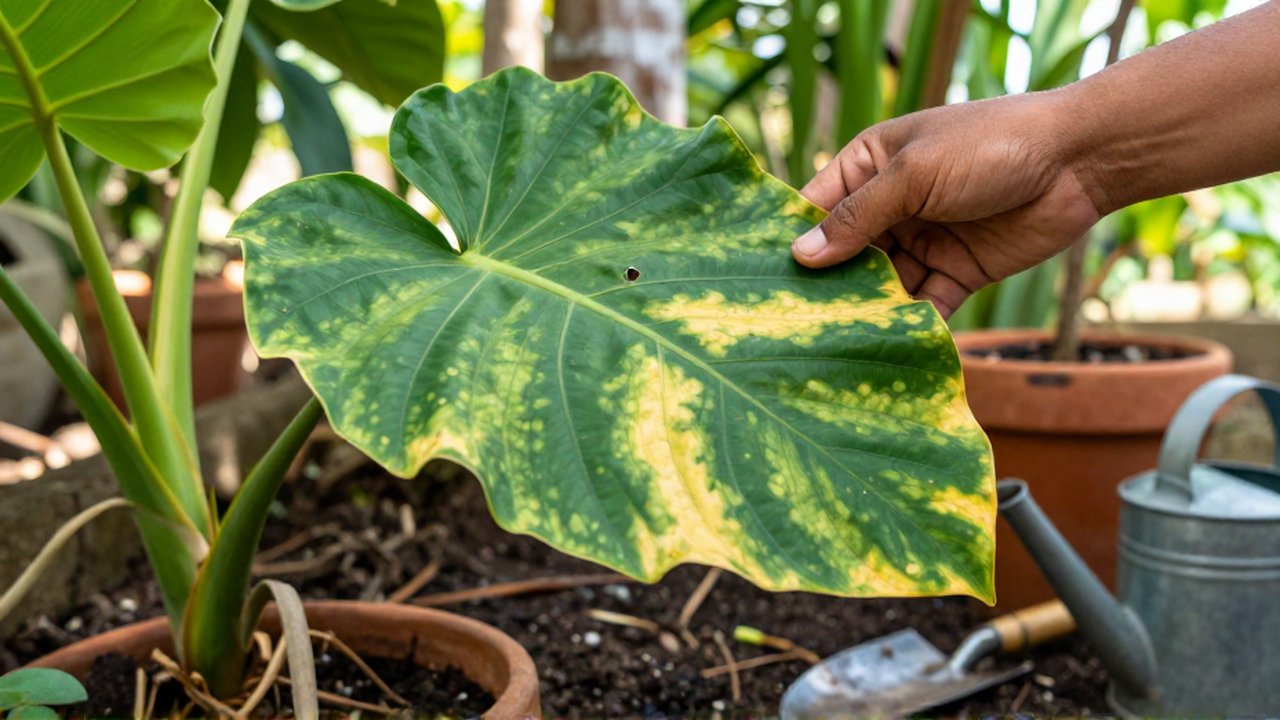
Nitrogen is a primary driver of vegetative growth and is a core component of chlorophyll. When a plant lacks nitrogen, it cannot maintain its green color effectively.
The most common sign of nitrogen deficiency is chlorosis, which is a general yellowing of the leaves. Because nitrogen is a mobile nutrient, this yellowing typically begins on the older leaves at the base of the plant. As the deficiency progresses, the entire plant may appear stunted, with a pale, yellowish-green hue replacing the deep green color of healthy foliage. In severe cases, the older leaves may eventually turn brown and drop off entirely.
Recognizing phosphorus deficiency signs
Phosphorus is essential for energy transfer, root development, and flowering. A lack of phosphorus often results in a more distinct color change than nitrogen deficiency.
When phosphorus is lacking, leaves often take on a dark green or even purplish/reddish tint, especially under certain temperature conditions. This discoloration usually starts on the older leaves. You may also notice stunted growth and a significant reduction in the number of flowers or fruits the plant produces. The roots may also appear underdeveloped or small in comparison to a healthy plant.
Detecting potassium deficiency patterns
Potassium plays a vital role in regulating water movement and enzyme activation within the plant. Its deficiency is often characterized by structural issues in the leaf margins.
A classic sign of potassium deficiency is marginal chlorosis or necrosis. This means the edges of the leaves turn yellow and eventually brown or "burnt" looking, while the center of the leaf remains green. This pattern typically appears on older leaves first. In some species, the leaves may also appear wilted or have a weak, spindly stem structure because the plant cannot properly regulate its internal water pressure.
Spotting micronutrient deficiencies in new growth

Micronutrients like iron and magnesium are required in smaller quantities, but their absence can be just as devastating. Because they behave differently regarding mobility, their symptoms are distinct.
Iron deficiency is one of the most common issues in gardens with high pH soil. Since iron is immobile, the symptoms appear in the newest leaves at the top of the plant. You will see interveinal chlorosis, where the tissue between the leaf veins turns bright yellow, but the veins themselves remain dark green. This creates a striking striped appearance.
Magnesium deficiency, while also involving interveinal chlorosis, behaves like a mobile nutrient. It typically affects the older leaves first. The leaves may turn yellow between the veins while the edges remain green, often resulting in a mottled or "washed out" appearance in the lower canopy.
Summary of nutrient deficiency patterns
| Nutrient | Primary Symptom | Location on Plant | Typical Pattern |
|---|---|---|---|
| Nitrogen | General yellowing (chlorosis) | Older, lower leaves | Uniform pale green/yellow |
| Phosphorus | Purplish or dark green tint | Older, lower leaves | Stunted growth, poor flowering |
| Potassium | Burnt leaf edges (necrosis) | Older, lower leaves | Yellowing at the margins |
| Iron | Yellowing between veins | New, upper leaves | Green veins with yellow tissue |
| Magnesium | Yellowing between veins | Older, lower leaves | Mottled/striped pattern |
Frequently asked questions
Can over-fertilizing cause similar symptoms to deficiency? Yes. Excessive amounts of certain nutrients can interfere with the uptake of others, a phenomenon known as nutrient antagonism. For example, too much calcium can prevent a plant from absorbing magnesium, leading to deficiency symptoms even if magnesium is present in the soil.
Does soil pH affect how I identify deficiencies? Soil pH is a major factor. If the pH is too high or too low, nutrients become chemically "locked" in the soil, making them unavailable to the plant even if they are present. This often results in micronutrient deficiencies like iron chlorosis.
How long does it take to see results after correcting a deficiency? Depending on the nutrient and the method of application (foliar spray vs. soil amendment), you may see improvements in new growth within a few days to a week, but significant recovery of the entire plant can take several weeks.
Are pests and diseases easily confused with nutrient issues? They can be. Pests often cause spotting, holes, or irregular damage, whereas nutrient deficiencies usually present as symmetrical, patterned color changes. However, a stressed, nutrient-deficient plant is often more susceptible to pest attacks.
Leave a Reply