
How to prune palm trees safely without professional help
Introduction
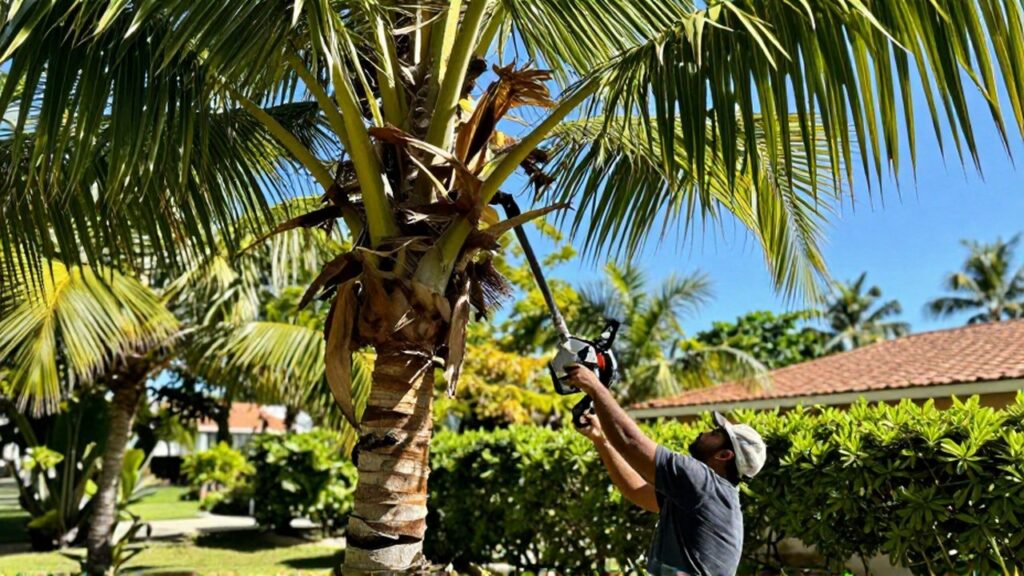
Pruning palm trees is a vital maintenance task for anyone living in tropical climates like the Dominican Republic. Unlike traditional deciduous trees, palms do not have branches in the conventional sense; instead, they consist of a central trunk and a crown of fronds. Proper pruning is essential to remove dead, damaged, or diseased foliage, which prevents the spread of pests and allows the tree to focus its energy on healthy growth. When done correctly, it enhances the aesthetic appeal of your landscape and maintains the structural integrity of the plant.
Timing and technique are everything when handling these unique plants. Pruning should generally be done once or twice a year, depending on the species, typically during the dry season when the tree is not under extreme environmental stress. Doing this work yourself can save significant money, but it requires a high level of caution. Because palm trees can grow quite tall, the primary goal of a DIY approach is to work within your physical reach to avoid the extreme risks associated with climbing high ladders or working at dangerous heights.
Essential tools for safe pruning
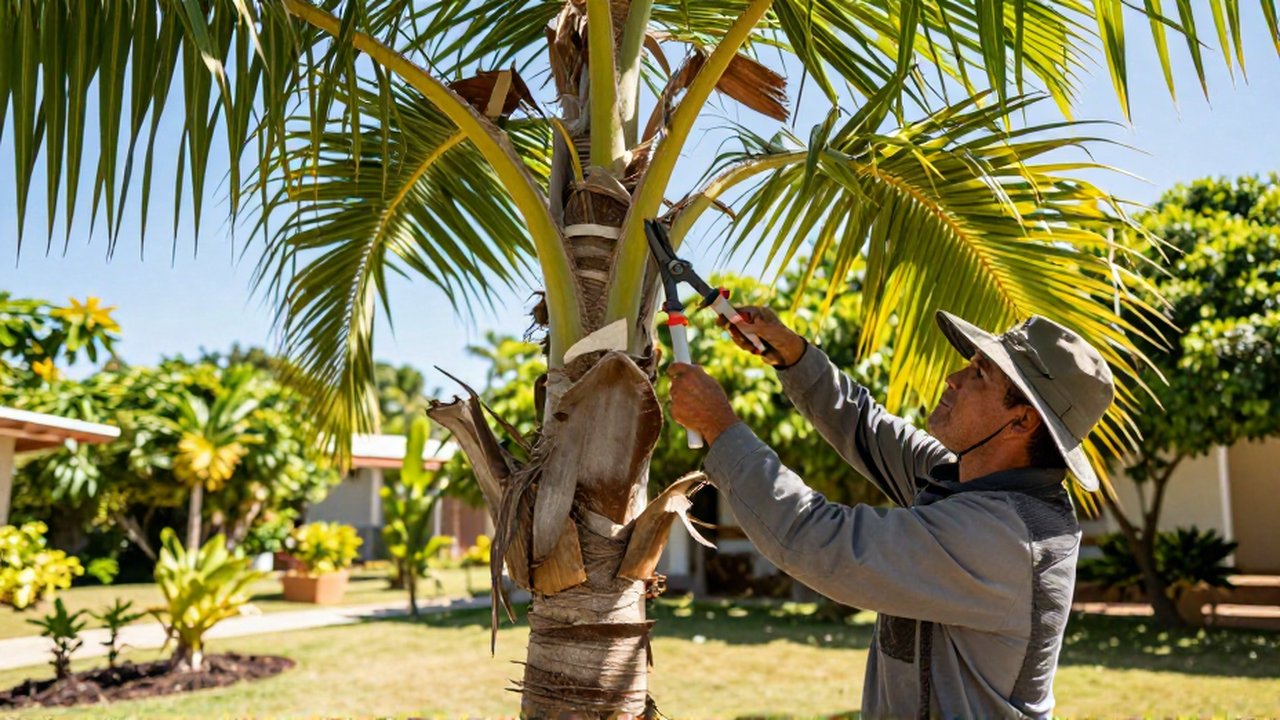
Before you begin, you must gather the correct equipment. Using the wrong tool can result in jagged cuts that leave the palm vulnerable to infections or rot. For smaller palms or those within arm's reach, a sharp pair of pruning shears or bypass loppers is sufficient. If the fronds are thicker or more woody, a pruning saw is necessary to ensure a clean, decisive cut.
Safety gear is just as important as the cutting tools themselves. Even if you are not climbing, you should always wear:
- Eye protection: Falling debris and dust from dried fronds can easily cause eye injuries.
- Gloves: Palm fronds can be sharp, and some species may have small thorns.
- Hard hat: If working under a large crown, a hard hat protects against falling organic matter.
- Sturdy footwear: To maintain stability on uneven garden terrain.
Steps to prune palm trees effectively
The first rule of DIY palm pruning is to only remove what is absolutely necessary. A common mistake is "topping" the tree or removing too many green fronds, which can kill the plant. Follow these steps to ensure a healthy outcome:
- Identify the target fronds: Look for fronds that are completely brown, yellow, or shriveled. These are dead and no longer contribute to the tree's health. You may also target fronds that are physically broken or showing signs of fungal disease.
- Assess your reach: If a frond is too high to reach with a stable ladder or a long-handled tool, do not attempt to prune it. It is better to leave a dead frond in place than to risk a fall.
- Make the cut: Position your tool at the base of the leaf's petiole (the stem of the frond). Aim to cut as close to the trunk as possible without wounding the "heart" or the growing point of the palm.
- Clear the debris: Once the fronds are removed, clean up the area around the base of the tree. Accumulating dead organic matter can attract pests or harbor moisture that promotes fungal growth.
Common mistakes to avoid
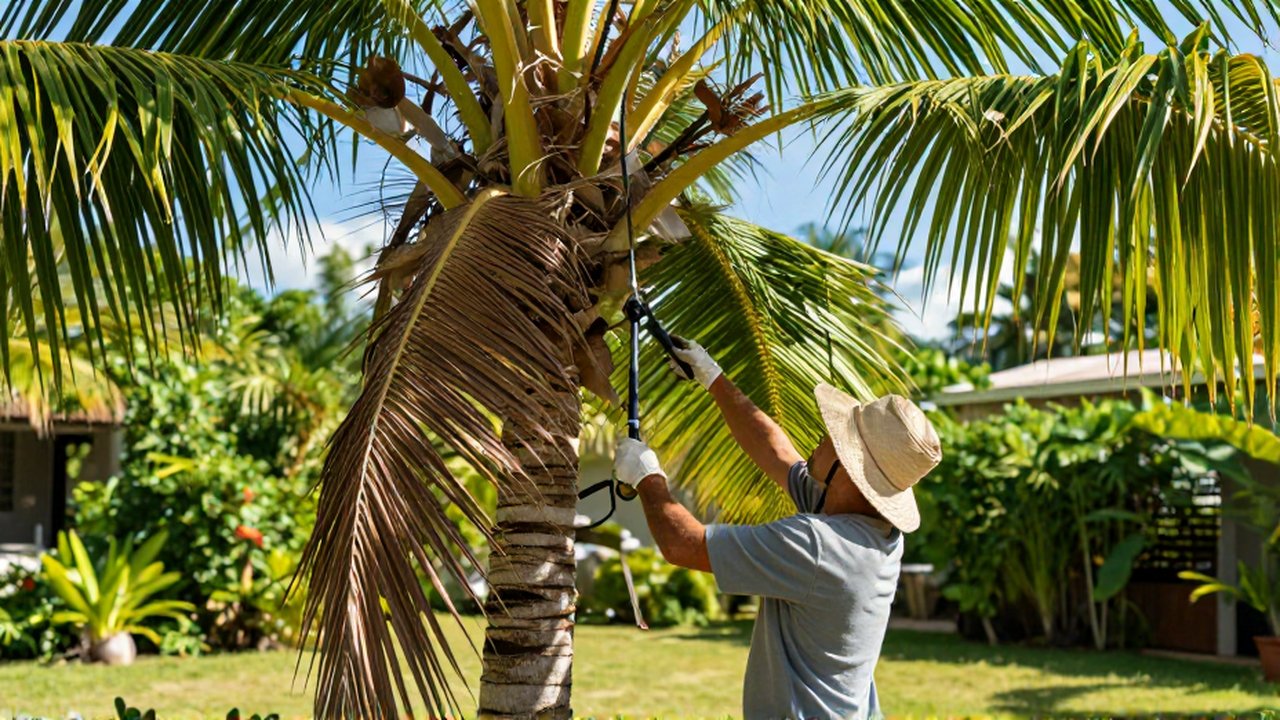
Many homeowners inadvertently harm their palms by treating them like oaks or maples. One of the most dangerous mistakes is "skinning" the trunk. If you cut too close or use a dull tool that slips, you may remove the outer layer of the trunk, which can lead to systemic infections.
Another frequent error is over-pruning. You should never remove more than one-third of a palm's total green foliage at one time. Removing too many healthy fronds stresses the tree, reduces its ability to photosynthesize, and can lead to stunted growth or death. Finally, never attempt to prune a palm during high winds or heavy rain, as the instability of the ground and the awkward angles of the fronds make accidents much more likely.
Safety limits for DIY enthusiasts
While it is possible to maintain your garden independently, you must recognize when a job exceeds the scope of a safe DIY project. If the palm tree is taller than a standard single-story house, or if the trunk is leaning at an unstable angle, professional intervention is required.
Working on a ladder can be deceptive; even a small slip can result in serious injury. If you find yourself needing to stand on the top rung of a ladder or if you feel the need to balance on a limb, stop immediately. Professional arborists have specialized climbing gear and weighted vehicles that allow them to work safely at heights that are impossible for a casual gardener to reach.
Frequently asked questions
How do I know if a palm frond is dead or just aging? A dead frond will be completely brown, dry, and brittle throughout its entire structure. A healthy frond may have some yellowing at the tips or base as it ages, but if it maintains green pigment and flexibility, it should be left alone.
Is it okay to cut the fronds halfway down the trunk? No. You should always aim to cut the frond at the point where it meets the trunk. Leaving "stubs" or long, cut handles protruding from the trunk can trap water, leading to rot and inviting insects to nest in the tree.
How often should I prune my palm trees? This varies by species, but for most tropical palms, a light pruning once or twice a year is sufficient. Once you establish a routine, observe the tree's growth patterns to determine if it needs more frequent attention.
Can pruning help prevent hurricane damage? Yes, to an extent. Removing dead or heavy, hanging fronds can reduce the "sail effect" during high winds, making the crown slightly more aerodynamic and reducing the risk of limbs breaking off and hitting structures.
Leave a Reply