
How to store garden seeds to prevent tropical mold
Introduction
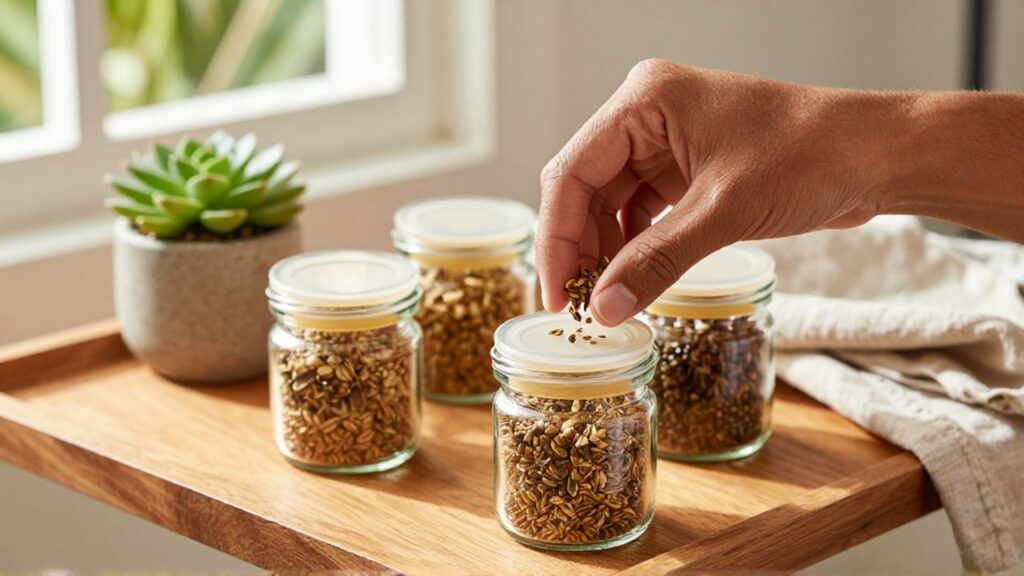
Maintaining a successful garden in a tropical environment like the Dominican Republic requires more than just good soil and sunlight; it requires the protection of your genetic resources. Storing garden seeds correctly is essential to ensure high germination rates and to prevent the devastating effects of moisture and heat. When seeds are exposed to the wrong conditions, they quickly become targets for fungal growth and mold.
Proper seed storage serves to preserve the viability of your plants for the next growing season. By controlling the environment in which your seeds reside, you prevent them from "waking up" prematurely or rotting before they ever touch the soil. This process is especially critical during the humid months when the air is heavy with moisture, making standard storage methods insufficient.
Learning how to manage humidity and temperature will save you time and money. Instead of purchasing new packets every season, a well-preserved seed collection allows you to maintain heirloom varieties and experiment with different crops reliably. This guide will provide the practical steps necessary to keep your seeds safe from tropical mold and decay.
The impact of humidity and heat on seed viability
In tropical climates, the two greatest enemies of seed longevity are high ambient humidity and fluctuating temperatures. Seeds are living biological entities that contain a microscopic amount of moisture. If the environment around them is too humid, the seeds will absorb that moisture through their protective coats. Once the internal moisture level rises, the seed's metabolic processes accelerate, leading to premature germination or, more commonly, the rapid colonization of mold and fungi.
Heat acts as a catalyst for these biological processes. When high temperatures combine with high humidity, the conditions become a perfect incubator for mold spores. This can lead to a total loss of the seed batch, often characterized by a musty smell, visible fuzzy growth, or a change in the texture of the seed coat. To prevent this, you must create a micro-environment that is both dark and dry.
Essential steps for preparing seeds for storage
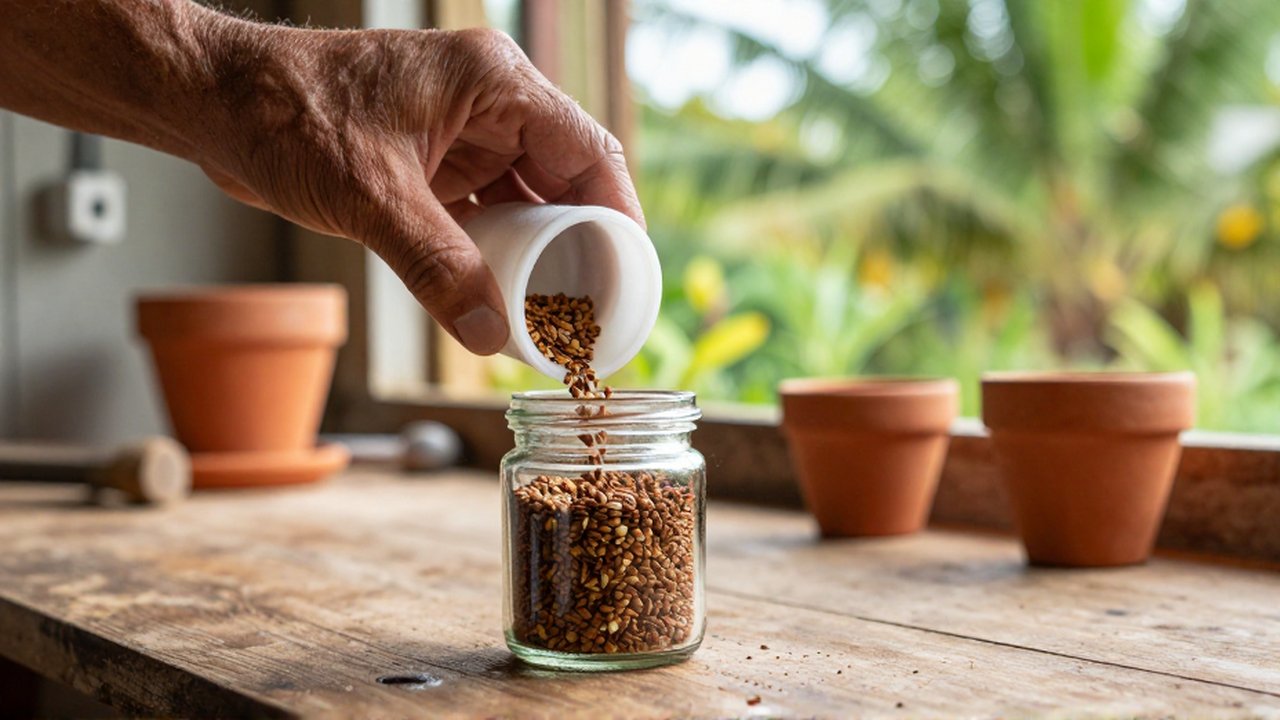
Before placing seeds into containers, they must be properly prepared to ensure no residual moisture is trapped inside. Even if seeds appear dry to the touch, they may still contain enough internal moisture to trigger mold if not handled correctly.
First, ensure that harvested seeds are completely cured. This may involve spreading them in a thin layer in a shaded, well-ventilated area for several days. Once cured, perform a visual inspection to remove any debris, dust, or damaged seeds that might be carrying fungal spores.
Next, select the right containers. Air-tightness is the most critical factor. Glass jars with rubber gaskets or high-quality plastic containers with interlocking lids are ideal. Avoid using paper envelopes for long-term storage in the tropics, as paper is porous and allows humidity to seep through the material.
Finally, incorporate a desiccant. A desiccant is a substance used to absorb moisture from the air. You can use commercial silica gel packets or even food-grade calcium chloride. Placing a small packet of desiccant inside each container ensures that any microscopic amount of moisture present is immediately neutralized.
Optimal storage environments and locations
Choosing where to keep your seed containers is just as important as the containers themselves. In a tropical household, the "ideal" room is rarely the kitchen or a pantry near a stove, as these areas experience significant temperature swings and steam.
The best location for seed storage is a cool, dark, and stable environment. A dedicated storage box kept inside a closet in a central room of the house is often more effective than a shelf in a garage or laundry room. The goal is to avoid "temperature cycling," which occurs when a container warms up during the day and cools down at night; this cycle causes condensation to form inside the jar.
For long-term preservation, if you have access to an air-conditioned space that remains consistently cool, this is highly recommended. The combination of air conditioning (which removes humidity) and a dark cupboard provides the most stable environment possible for preventing mold.
Effective seed storage methods comparison
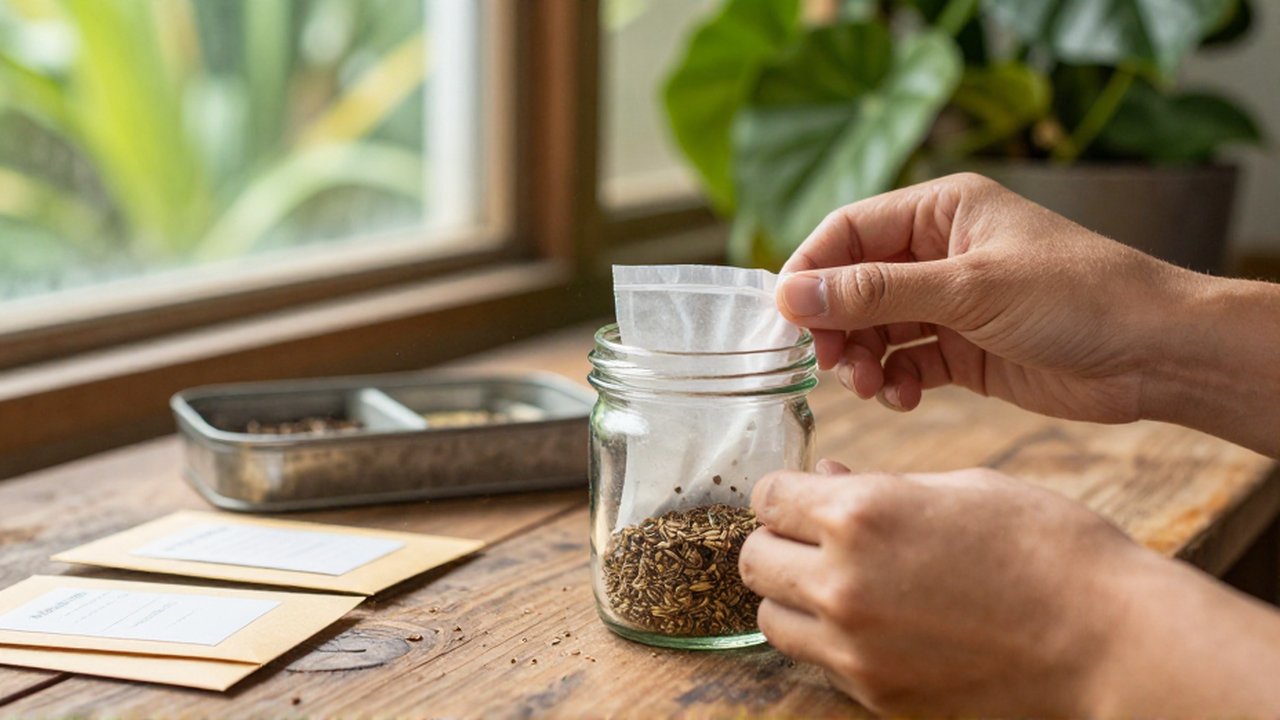
Different types of seeds may require slightly different approaches depending on their size and sensitivity. The following table outlines general guidelines for common categories.
| Seed Type | Sensitivity Level | Recommended Container | Key Requirement |
|---|---|---|---|
| Small/Fine (Lettuce, Tomato) | High | Small glass vials or jars | Maximum air-tightness |
| Large/Hard (Beans, Squash) | Moderate | Large glass jars | Stability in temperature |
| Bulb/Tuber (Onion, Garlic) | Very High | Breathable mesh (short term) or dry cool dark (long term) | Extreme dryness |
| Herb Seeds (Basil, Cilantro) | High | Small airtight containers | Protection from light |
Common mistakes to avoid during storage
Many gardeners inadvertently cause mold issues through small errors in their storage routine. One frequent mistake is opening a seed container in a humid environment to inspect the seeds. When you open the jar, the moisture-laden tropical air rushes in and becomes trapped once you seal it back up. To prevent this, always open your seed containers in a cool, dry, air-conditioned room.
Another error is failing to label seeds clearly. When seeds are stored in similar-looking glass jars, it is easy to mix up varieties. Always use permanent ink to write the name of the plant, the variety, and the date of harvest on the container.
Lastly, do not store seeds in direct sunlight. Even if the container is airtight, the heat from sunlight can penetrate the glass or plastic, raising the internal temperature and causing the seeds to degrade or "cook," which destroys their ability to grow.
Frequently asked questions
How can I tell if my seeds have been ruined by mold? If you notice a fuzzy white or black growth, a musty odor, or if the seeds feel soft or clumped together, the mold has likely compromised the batch. It is best to discard these to prevent spreading spores to your garden.
Can I use rice as a desiccant for my seeds? While rice is often used in household hacks to absorb moisture, it is not as effective or reliable as professional silica gel packets. For valuable seed collections, it is safer to use dedicated desiccant products.
Do I need to refrigerate my seeds? Refrigeration can be helpful, but only if the seeds are stored in perfectly airtight containers. If the seal is not absolute, the humidity in the refrigerator will actually make the seeds moldy faster. If using a fridge, ensure the containers are kept in a secondary airtight box.
How long will my seeds last if stored correctly? With proper moisture and temperature control, many vegetable seeds can remain viable for two to five years. Some hardy seeds can last even longer, but it is always wise to perform a germination test before planting a large crop.
Leave a Reply